Пазарувайте на caretobeauty.com — Вашият онлайн магазин за красота



Тази статия е преведена автоматично от английски и може да съдържа неточности.
Това е радостно време: завършили сте последния цикъл на химиотерапия или лъчетерапия и лечението на раковите заболявания официално завърши. Поздравления, че преодолявате толкова интензивен период от живота си! Отворете безалкохолното шампанско, събберете приятелите и семейството си и се наслаждавайте на живота – имате много за което да се радвате, а растежа на косата след химиотерапия е вероятно едно от тях.
Загубата на коса е често встречаемо странично действие на лечението на рак, и както повечето странични действия, то обикновено отминава с времето. Сега, след като завършите лечението, косата ви ще начне да расте отново. Някои части на този процес ще бъдат повече или по-малко очаквани (дълго време ще имате къса коса), а други могат да бъдат малко неочаквани (като къдрите от химиотерапия).
За да ви помогна през промените на идващата година, подготвихме кратко ръководство, което да ви помогне да се грижите за новата си коса:
Първата ви година на растеж на косата след химиотерапия
Както споменахме, загубата на коса е често встречаемо странично действие на лечението на рак, независимо дали химиотерапия или лъчетерапия. Това се случва, защото идеята на лечението на рак е да спре разпространението на раковите клетки, а един от начините да се направи това е да спре всички клетъчни растежи – включително растежа на космените фоликули. Ето защо толкова много хора изпитват пълна или частична загуба на коса, мигли и вежди по време на лечението.
Странични действия на лечението на рак не изчезват веднага след прекратяване на лечението – вероятно ще изпитате няколко странични действия за известно време, но те ще отминат с времето. И когато те са отминали, космените ви фоликули ще бъдат събудени и най-накрая ще начнат да произвеждат нови косъчки. Можете да очаквате растежът на косата да начне в рамките на няколко месеца след последното лечение, и можете да изпитате промени на косата до една година след последното лечение.
Етапи на растеж на косата след химиотерапия
Не всеки ще изпита възстановяване на растежа на косата след химиотерапия по същия начин, тъй като процесът зависи от самото лечение на рак, генетиката ви и много други променливи. Следната времева линия е просто груба оценка на кога и какви промени на косата можете да очаквате:
- Няколко седмици след последното лечение, очаквайте етапа на пухкава коса. Наименуването му като коса може да е преувеличение в този момент, но все пак е растеж на косата, и това носи чудесни новини: промените са в ход! Някои хора ще стигнат само до етапа на пухкава коса около два месеца след лечението, затова не се безпокойте. Времевите линии могат да варират;
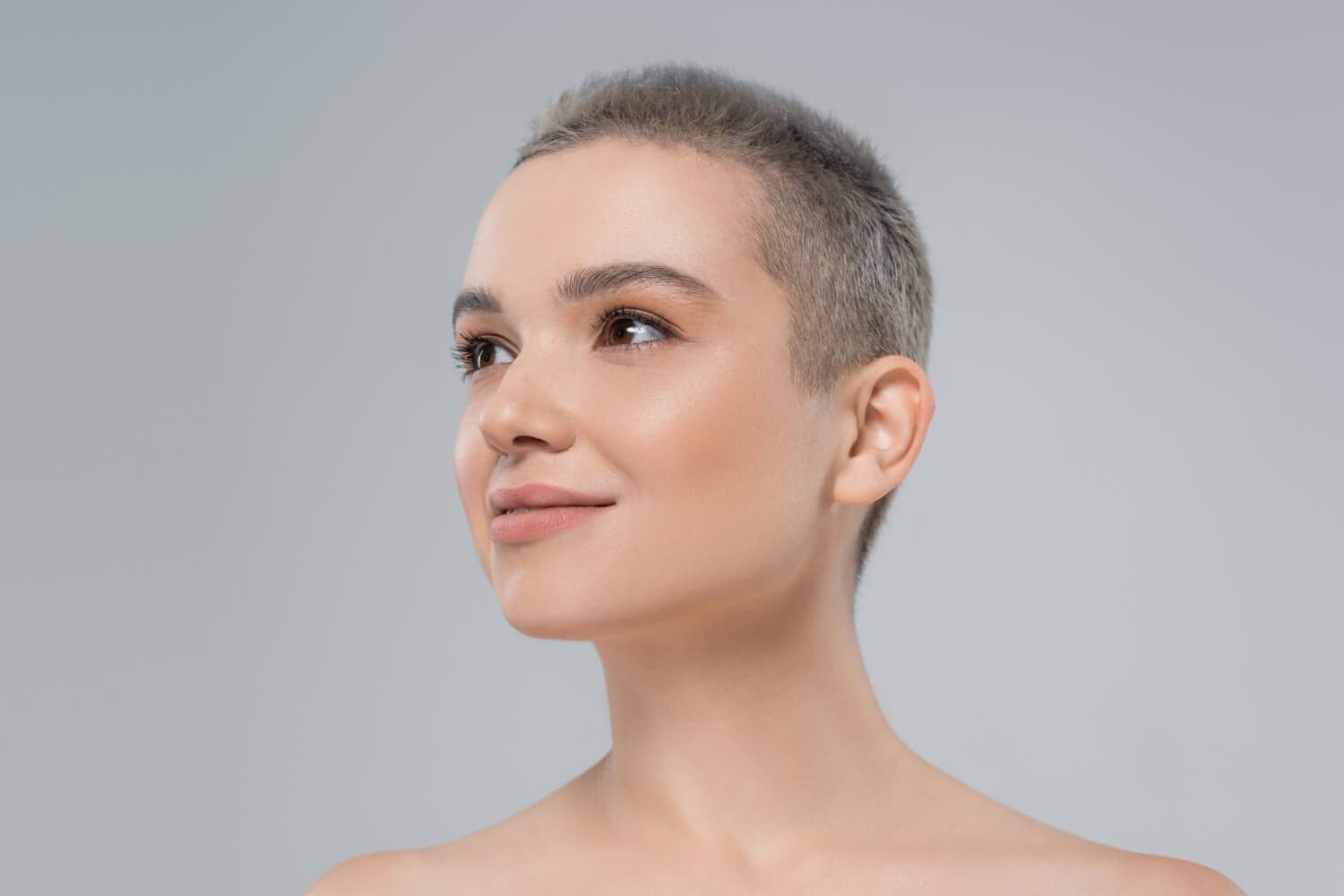
- 3 месеца след последното лечение, ще начнете да виждате нов растеж на косата – действителен растеж на косата, малко по-дебел от преди. Имайте предвид, че новата коса може да е много различна от косата, която сте имали преди: може да е по-тънка, или дори от различен цвят. Не е особено странно косата на този етап да е бяла или сива, или дори един или два тона по-тъмна или по-светла от първоначалния си цвят. Производството на пигмент все още не е в пълна сила, затова не се безпокойте твърде много по отношение на промените в цвета, тъй като те вероятно ще бъдат временни. Използвайте това време, за да разберете нови прически и стилове, включително тези пикси прически, които никога не сте си осмелили да носите преди;
- 6 месеца след последното лечение, приемете къдрите от химиотерапия. Минута, какво? Никога не сте имали къдри и сега имате? Е, новата ви коса може да има собствена личност в тази област. Изпитването на къдрава коса след химиотерапия е неочаквано странично действие, което много хора не очаквают да се случи, но е супер често. Това е също, главно, просто фаза;
- 12 месеца след последното лечение, косата ви ще начне да наподобява косата преди химиотерапия. Цветът трябва да е стабилизиран до този момент, както и дебелината и текстурата.
Как да насърчите растежа на косата след химиотерапия
Сега, след като косата ви расте отново, струва си да разберете какво можете да направите, за да помогнете. Точно както е важно да се грижите за скалпа си, който може да се чувства малко чувствителен, също е важно да се грижите за новата си коса, която може да е по-крехка и по-тънка, отколкото сте свикнали. Може да е необходимо да адаптирате, но тези препоръки могат да помогнат:
Защитете скалпа си по всяко време
Скалпът е кожата, от която растат косите. Ако той не е здрав и защитен, ще бъде по-трудно косата да е здрава. Едно нещо, което можете да направите, за да успокоите скалпа си, е да спите на копринени или атласни възглавници. Ако предпочитате обикновени възглавници, може да желаете да обмислите спална шапка или капачка.
Овлажнете скалпа си
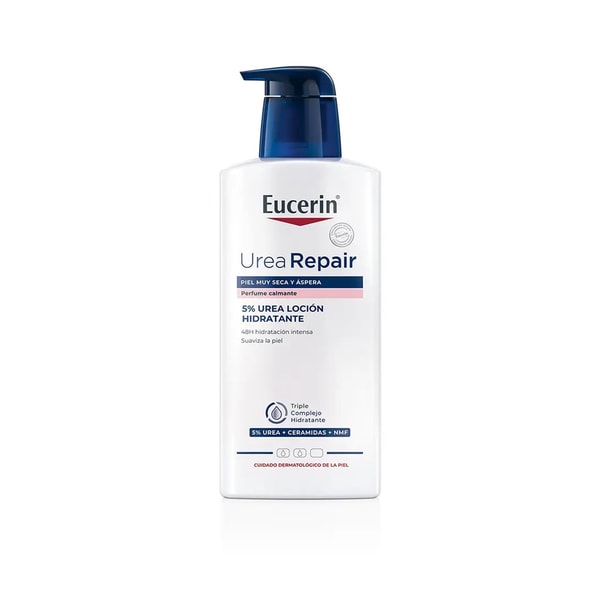
В ранните дни на пътешествието си за възстановяване на растежа на косата, когато нямате коса или имате само малко пухкава коса, третирайте скалпа си като чиста кожа и овлажнете го. Изберете нежни формули, които держат кожата ви защитена и са лесни за употреба.

Използвайте нежни шампоани
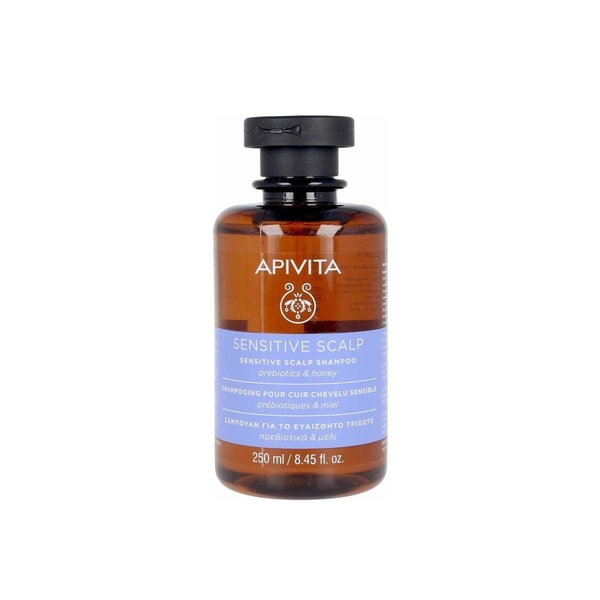
Грижете се за скалпа си, като го масирате нежно с нежен шампоан, когато правите баня. Масажът ще стимулира кръвния поток, а нежният шампоан ще держи скалпа ви чист без да предизвиква алергии.

Приемете новата си коса
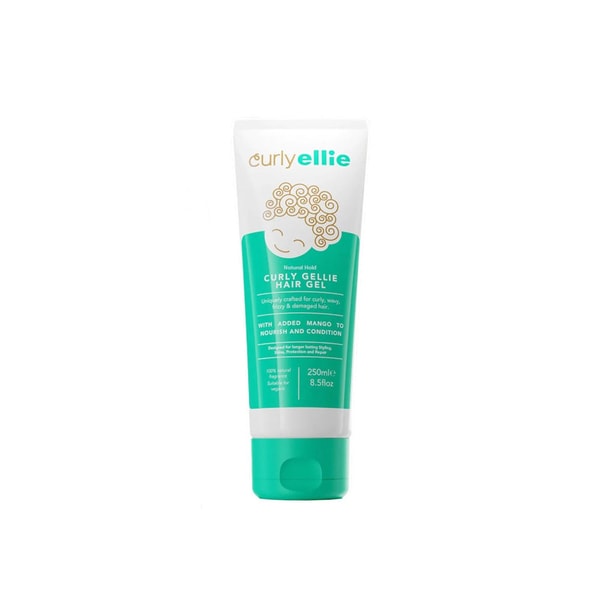
Както видяхме, възможно е косата ви да приеме нова текстура или цвят, когато начне да расте отново след лечението на рак. Може да е трудно да се справите с тези промени – защо нещата просто не могат да бъдат нормални? – но те трябва да трайват около една година. Приемете новата си временна коса и научете се да я оформяте по нови и забавни начини, използвайки нежни продукти за оформяне.
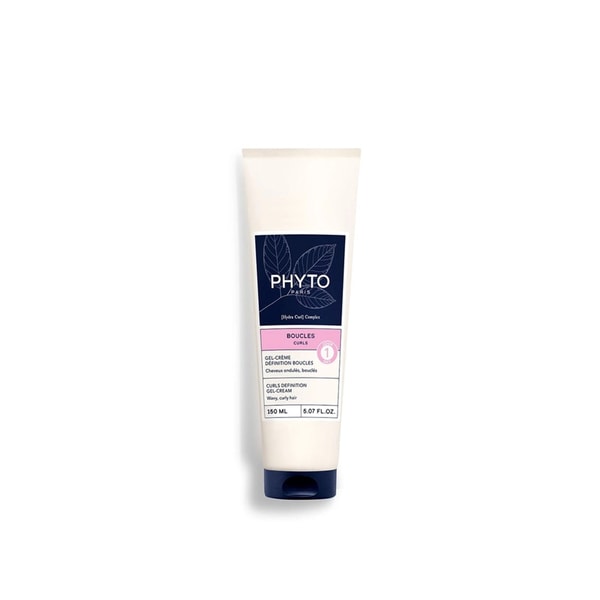
Обмислете биотинови добавки
Ще го уточним ясно: доказателствата, подкрепящи биотиновите добавки, все още са много двусмислени. Обаче много лекари са изпитали добри резултати в практиката си и, основано на това анекдотично свидетелство, продължават да препоръчват биотинови добавки, за да подкрепят растежа на косата през периода след химиотерапия. Може да си струва да попитате лекара си как се чувства относно тези добавки и дали могат да бъдат полезни за вас.
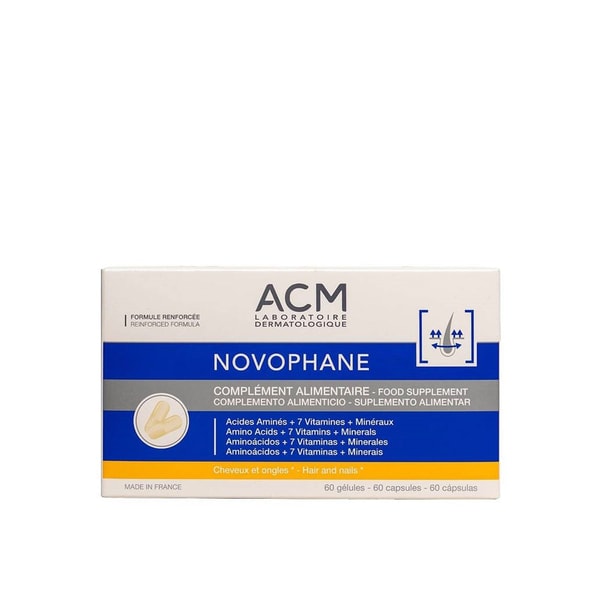
Използвайте ампули за грижа на скалпа
Между добавки и топични ампули, за да подкрепят растежа на косата, доказателствата изглежда благоприятстват ампулите. Попитайте лекара си дали смята, че топичните ампули могат да помогнат на грижата на скалпа и да подкрепят здравословния растеж на косата след лечението на рак. Всеки случай е различен, и лекарят ви ще могат да ви преведат в правилната посока.
Какво да избягвате, когато се справяте с коса след химиотерапия
Сега, след като знаете какво можете да направите, за да подкрепите растежа на косата след лечението на рак, може да си струва да разберете какво трябва да избягнете.
Всичко взето в предвид, всичко, което е грубо или постоянно, трябва да се избягва през първата година – мислете за химични лечения, боядисване на коса и т.н. На по-ежедневна основа, прическите, които держат косата събрана назад, също трябва да се избягват, поради риск от тракционна загуба на коса.
Ето някои примери на лечения и стилове, които е най-добре да се избягвате през първата година на възстановяване след лечението на рак:
- Постоянни лечения на изправяне или релаксанти;
- Перманентиране на коса;
- Избелване на коса;
- Постоянни или полупостоянни бои за коса;
- Плетеници и удължения.
Ще има време да разберете всички тези лечения веднъж когато косата ви е отраснала – но през първата година, най-добре е да я третирате нежно и да й дадете най-добрите възможни условия да расте здрава и силна.
Грижата за косата – и кожата – след лечението на рак може да изглежда малко сложна, но ако держите нещата прости, ще бъде управляемо. Ако имате някакви съмнения, просто придържайте се към козметика, одобрена от онколозите през първата година след лечението. Когато начнете да се връщате към начина си на живот, можете да придържите тези опробани и тествани основи (те са толкова нежни, колкото могат да бъдат!), или да начнете да експериментирате с друга козметика, която намирате по-привлекателна.