Nakupujte na caretobeauty.com — Váš online obchod s krásou


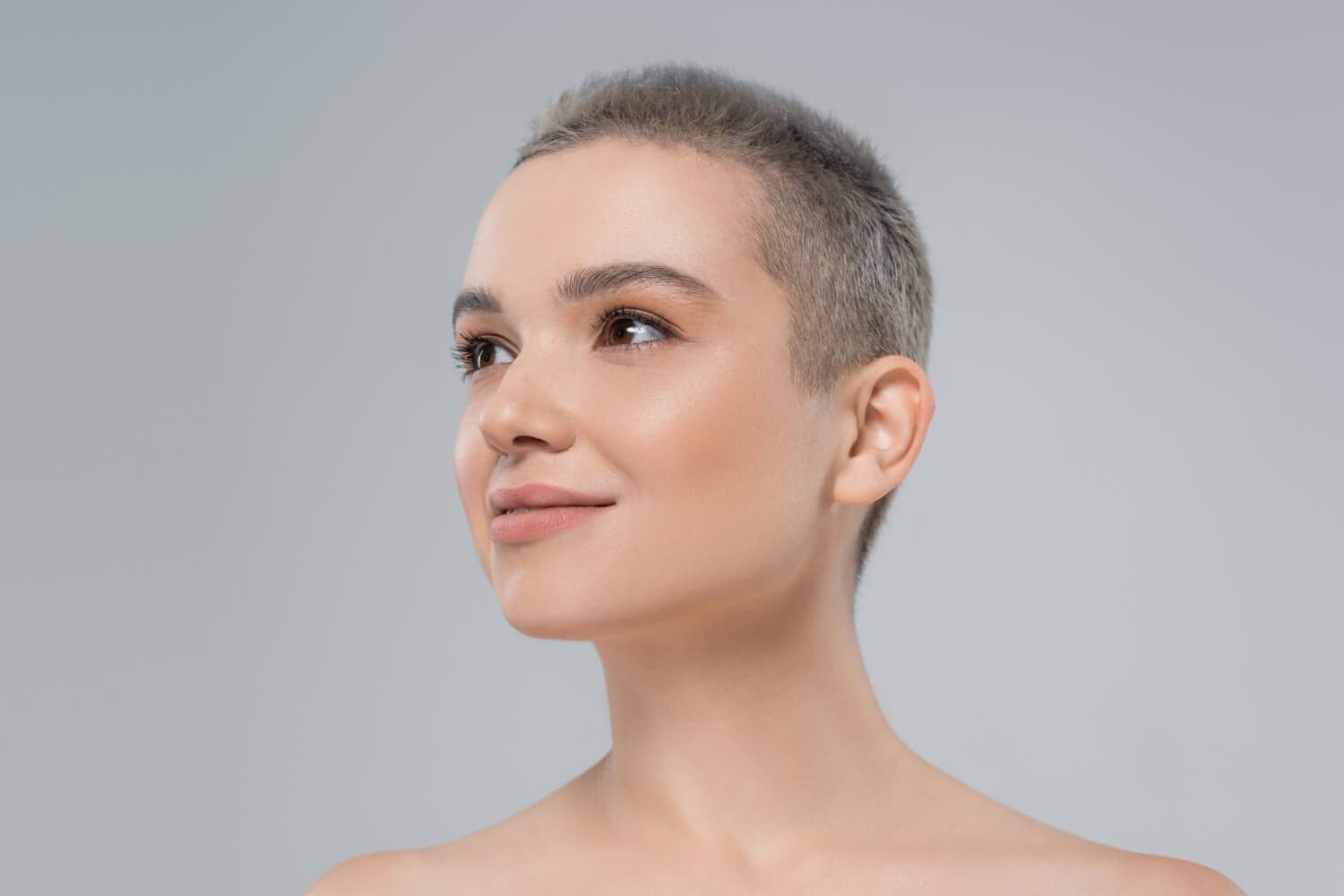

Tento článek byl automaticky přeložen z angličtiny a může obsahovat nepřesnosti.
Toto je radostná doba: absolvovali jste poslední cyklus chemoterapie nebo radioterapie a vaše léčba rakoviny je oficiálně u konce. Gratulujeme k překonání takto náročného období vašeho života! Otevřete si nealkoholické šampaňské, svolte své přátele a rodinu a užijte si život – čeká vás mnoho zajímavého a růst vlasů po chemoterapii bude jednou z těch věcí.
Vypadávání vlasů je běžným vedlejším účinkem léčby rakoviny a stejně jako většina vedlejších účinků obvykle časem zmizí. Nyní, když jste ukončili léčbu, začnou vám vlasy znovu růst. Některé části tohoto procesu budou více či méně očekávané (vlasy budou krátké dlouhou dobu), zatímco jiné mohou být trochu překvapivé (například tzv. chemoterapeutické kadeře).
Aby jsme vám pomohli v změnách, které vás během příštího roku čekají, připravili jsme pro vás krátký průvodce, jak se o nové vlasy starat:
Váš první rok růstu vlasů po chemoterapii
Jak jsme zmínili, vypadávání vlasů je běžným vedlejším účinkem léčby rakoviny, ať už chemoterapie nebo radioterapie. Děje se to proto, že cílem léčby rakoviny je zastavit šíření rakovinných buněk, a jedním ze způsobů, jak to udělat, je zastavit veškerý růst buněk – včetně růstu v koříncích vlasů. Proto tolik lidí zažívá úplné nebo částečné vypadávání vlasů, řas a obočí během léčby.
Vedlejší účinky léčby rakoviny nezmizí hned, jakmile přestanete léčbu podstupovat – nějakou dobu budete pravděpodobně zažívat několik vedlejších účinků, ale časem zmizí. A s jejich zmizením budou vaše folikuly znovu aktivovány a konečně začnou produkovat nové vlasové vlákna. Růst vlasů můžete očekávat během několika měsíců po poslední léčbě a změny vlasů se mohou vyskytnout až rok po poslední léčbě.
Stádia růstu vlasů po chemoterapii
Každý člověk nezažívá znovurůst vlasů po chemoterapii stejně, protože proces závisí na samotné léčbě rakoviny, vaší genetice a mnoha dalších faktorech. Následující časová osa je pouze přibližným odhadem toho, kdy a jaké změny vlasů můžete očekávat:
- Pár týdnů po poslední léčbě počítejte s tzv. „meruňkovým chmýřím". Říkat tomu vlasy může být v tomto bodě přehnané, ale jde o růst vlasů a přináší to skvělou zprávu: změna je na cestě! Někteří lidé dosáhnou fáze meruňkového chmýří až kolem dvou měsíců po léčbě, takže se neznepokojujte. Časová osa se může lišit;
- 3 měsíce po poslední léčbě začnete vidět nový růst vlasů – skutečný růst vlasů, trochu tlustší než předtím. Mějte na paměti, že tyto nové vlasy se mohou velmi lišit od vašich předchozích vlasů: mohou být tenčí nebo dokonce jiné barvy. Není obzvláště neobvyklé, když mají vlasy v tomto stadiu bílou nebo šedou barvu, nebo dokonce odstín jeden nebo dva tmavší nebo světlejší než původní barva. Produkce pigmentu ještě nedosahuje plné kapacity, takže se příliš neznepokojujte barvou, pravděpodobně se změní. Využijte čas k experimentování s novými vzhledy a účesy, včetně těch krátkich střihů, které jste si nikdy neodvážili nosit;
- 6 měsíců po poslední léčbě přijměte chemoterapeutické kadeře. Chvíli, co? Nikdy jste neměli vlnité vlasy a teď je máte? Vaše nové vlasy mohou mít v této oblasti vlastní osobnost. Zažít vlnité vlasy po chemoterapii je překvapivý vedlejší účinek, který mnozí neočekávají, ale je velmi běžný. Je to také především jen fáze;
- 12 měsíců po poslední léčbě budou vaše vlasy připomínat vaše vlasy z doby před chemoterapií. Barva by se měla ustálit, stejně jako tloušťka a textura.
Jak podporovat růst vlasů po chemoterapii
Nyní, když vám vlasy znovu rostou, stojí za to prozkoumat, co můžete dělat, abyste pomohli. Stejně jako je důležité pečovat o pokožku hlavy, která se může cítit trochu citlivě, je také důležité pečovat o nové vlasy, které mohou být křehčí a tenčí, než jste zvyklí. Možná se budete muset přizpůsobit, ale následující doporučení vám mohou pomoct:
Chraňte pokožku hlavy neustále
Pokožka hlavy je kůže, ze které vlasy rostou. Pokud není zdravá a chráněná, bude obtížnější mít zdravé vlasy. Jednou věcí, kterou můžete udělat, abyste zklidnili pokožku hlavy, je spát na polštářích ze hedvábí nebo saténu. Pokud preferujete normální polštářky, možná budete chtít zvážit noční čepici nebo klobouk.
Hydratujte pokožku hlavy
V počátečních dnech vaší cesty znovurůstu vlasů, když nemáte vlasy nebo máte jen malý chumáč meruňkového chmýří, léčte pokožku hlavy jako čistou kůži a hydratujte ji. Zvolte jemné formulace, které chráníí vaši kůži a jsou snadné na použití.
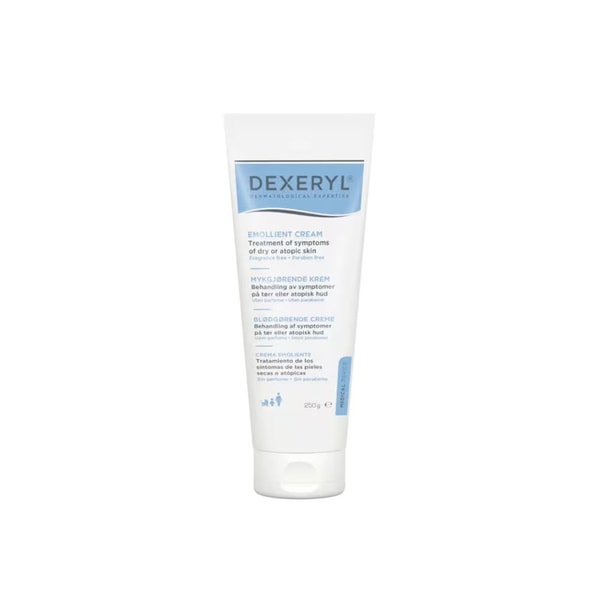
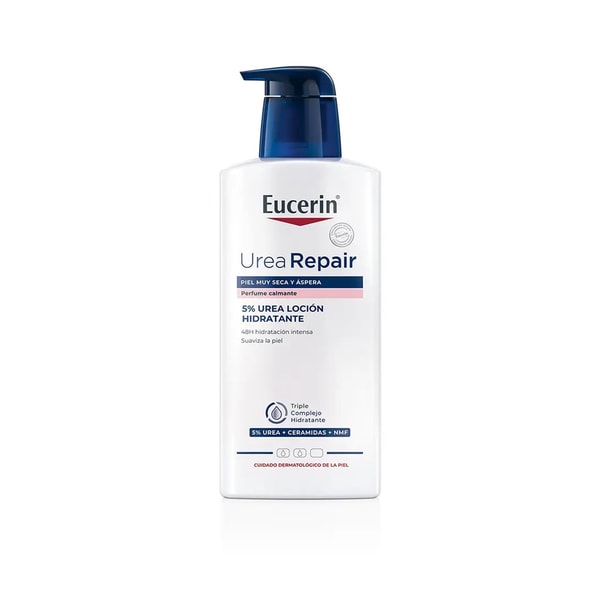
Používejte jemné šampony
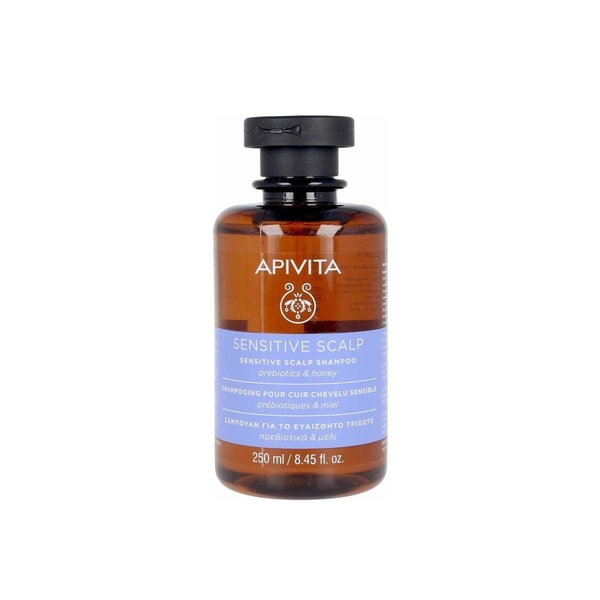
Pečujte o pokožku hlavy jemnou masáží s jemným šamponem během sprchování. Masáž stimuluje průtok krve a jemný šampon udržuje pokožku hlavy čistou bez vyvolání alergií.

Přijměte své nové vlasy
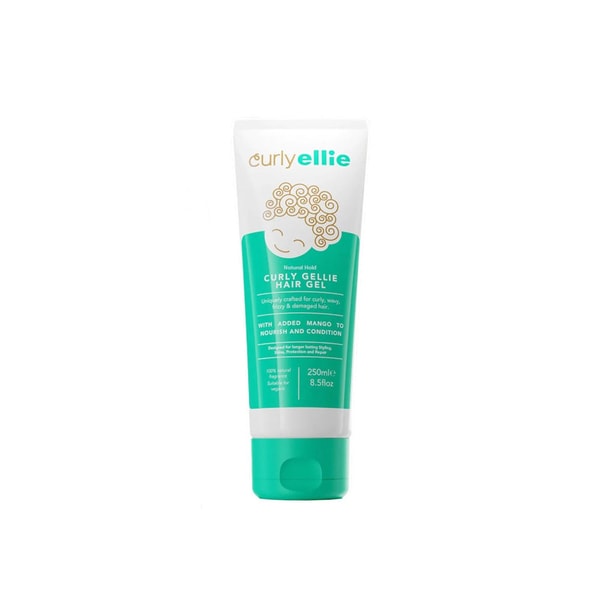
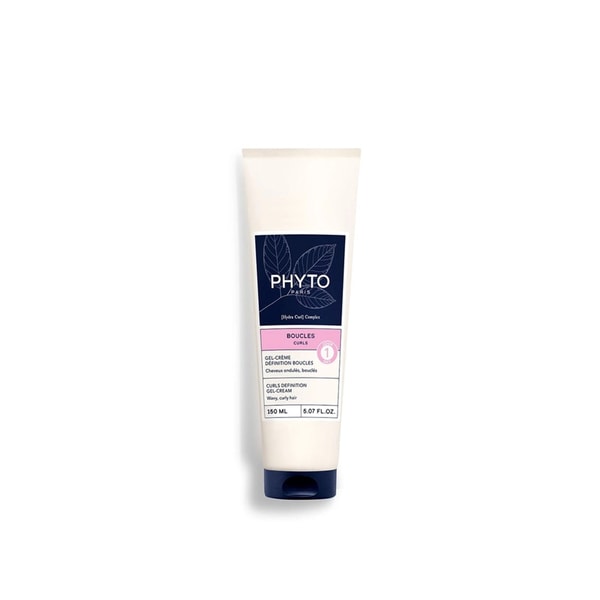
Jak jsme viděli, je možné, aby vaše vlasy získaly novou texturu nebo barvu, když začnou znovu růst po léčbě rakoviny. Může být obtížné se s těmito změnami vyrovnat – proč by všechno nemohlo být normální? – ale měly by trvat pouze kolem roku. Přijměte své nové dočasné vlasy a naučte se je stylizovat novým a zábavným způsobem pomocí jemných stylizačních produktů.
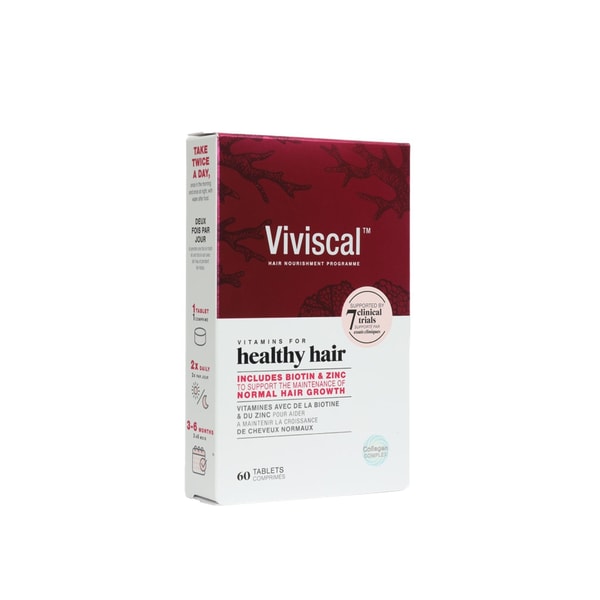
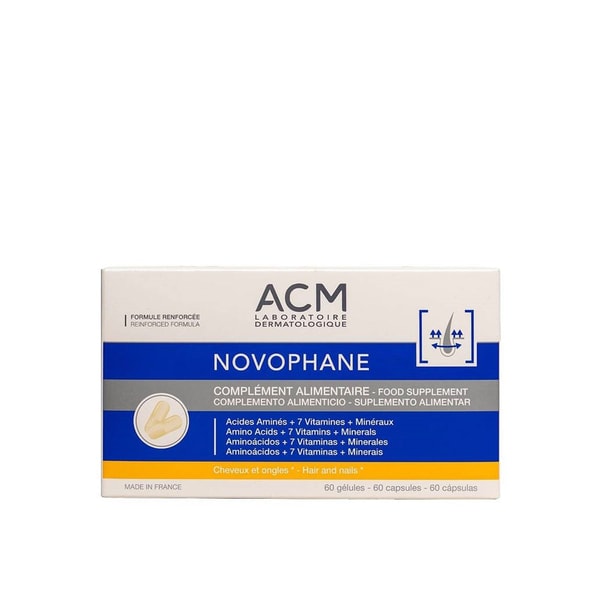
Zvažte biotinové doplňky
Budeme jasní: důkazy podporující biotinové doplňky jsou stále velmi nejasné. Mnoho lékařů však ve své praxi dosáhlo dobrých výsledků a na základě těchto anekdotických důkazů pokračují v doporučování biotinových doplňků k podpoře růstu vlasů v období po chemoterapii. Mohlo by stát za to zeptat se svého lékaře, jak se na tyto doplňky dívá a zda by vám mohly být užitečné.
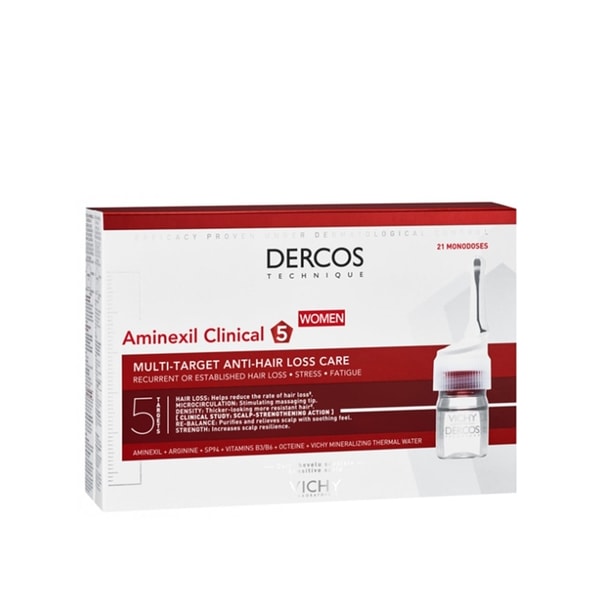
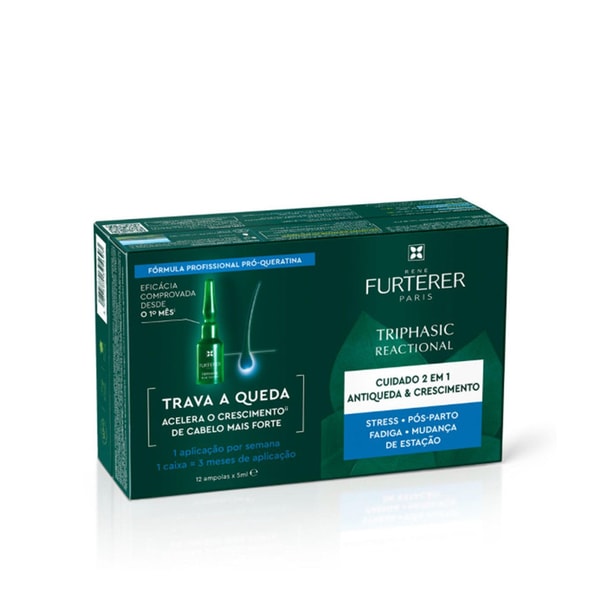
Používejte ampulky na péči o pokožku hlavy
Mezi doplňky a topickými ampulkami na podporu růstu vlasů se zdá, že důkazy favorizují ampulky. Zeptejte se svého lékaře, zda se domníván, že topické ampulky mohou pomoci s péčí o pokožku hlavy a podpoří zdravý růst vlasů po vaší léčbě rakoviny. Každý případ je jiný a váš lékař vám bude moci správně nasměrovat.
Co se vyhnout při práci s vlasy po chemoterapii
Nyní, když víte, co můžete dělat pro podporu růstu vlasů po léčbě rakoviny, stojí za to podívat se na to, čemu byste se měli vyhnout.
Všechno uváženo, cokoli co je drsné nebo trvalé by se mělo vyhnout během prvního roku – myslete na chemické zpracování, barvení vlasů a tak dále. Na každodenní bázi by se měly vyhnout také účesy, které si vlasy drží stažené dozadu, kvůli riziku trakčního vypadávání vlasů.
Zde je několik příkladů léčby a stylů, kterých je nejlépe se vyhnout během prvního roku znovurůstu po léčbě rakoviny:
- Trvalé prostředky na narovnání vlasů nebo relaxéry;
- Trvalá vlnitost vlasů;
- Odbělování vlasů;
- Trvalé nebo semi-trvalé barvy na vlasy;
- Copánky a prodlužovací vlasy.
Bude čas na prozkoumání všech těchto léčeb, jakmile si vaše vlasy znovu vyrostou – ale během tohoto prvního roku je nejlepší zacházet s nimi opatrně a poskytnout jim nejlepší podmínky pro zdravý a silný růst.
Péče o vaše vlasy – a kůži – po léčbě rakoviny se může zdát trochu složitá, ale pokud budete jednoduší, bude to zvladatelné. Pokud máte nějaké pochybnosti, stačí se držetkosmetiky schválené onkology během prvního roku po léčbě. Jak se začnete vracet ke svému životnímu stylu, můžete se držet těchto ověřených esenciálů (jsou tak jemné, jak to jen jde!), nebo začít experimentovat s další kosmetikou, která se vám více líbí.