Shop på caretobeauty.com — Din online skønhedsbutik



Denne artikel er automatisk oversat fra engelsk og kan indeholde unøjagtigheder.
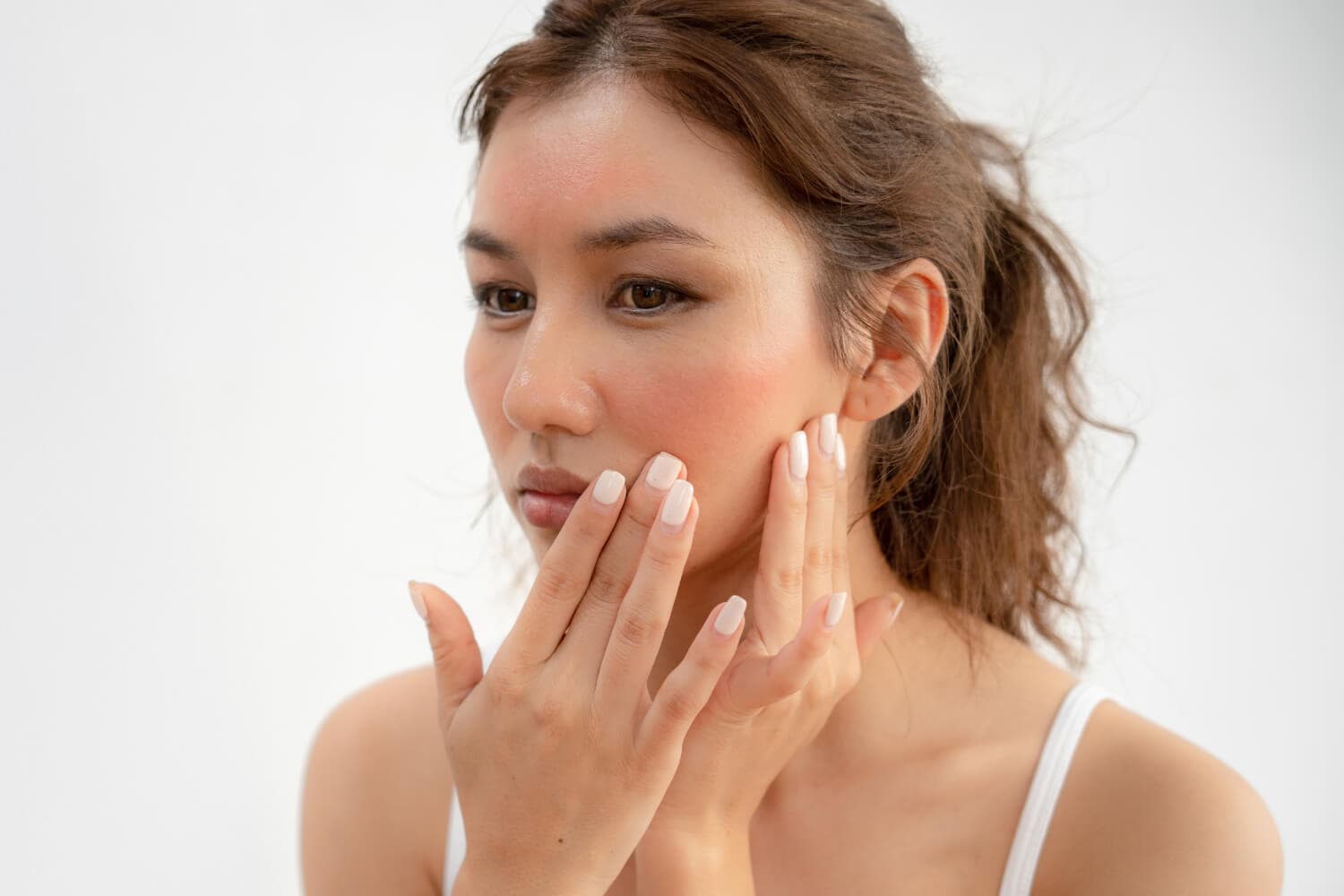
Vi ved alle hvad følsom hud er, men gør vi det? Hudfølsomhed kan have mere nuance end du tror. I dag skal vi definere hvad følsom hud er—med en ordentlig definition venligt leveret af videnskaben—og besvare alle de opfølgende spørgsmål du måske har om det. Slut dig til os for at udforskealle lagene inden for hudfølsomhed!
På dette indlæg:
- Hvad er følsom hud?
- Hvad er grundårsagen til følsom hud?
- Hvad udløser følsom hud?
- Hvordan ved jeg, om jeg har følsom hud?
- Er følsom hud altid tør?
- Hvor sjælden er følsom hud?
- Hvad kan følsom hud egentlig være?
- Hvad er forskellen mellem følsom hud og sensibiliseret hud?
- Hvad skal man bruge til følsom hud?
Hvad er følsom hud?
Klar over vanskeligheden ved at komme med en ordentlig definition, fokuserede et tværfagligt team på at skabe en videnskabeligt præcis definition, der gør retfærdighed mod det, som mennesker med følsom hud opfatter og oplever. Som resultat,definerede de følsom hud som "et syndrom defineret ved forekomsten af ubehagelige fornemmelser (stikken, brænden, smerter, kløe og prikkelsensationer) som reaktion på stimuli, som normalt ikke skulle fremkalde sådanne fornemmelser. Disse ubehagelige fornemmelser kan ikke forklares ved læsioner, der kan tilskrives nogen hudsygdom. Huden kan se normal ud eller være ledsaget af rødfarvning. Følsom hud kan påvirke alle kropsregioner, især ansigtet".
Med denne definition kan vi sige, at følsom hud er et bredt begreb, der beskriver hud, som har tendens til at vise tegn på irritation ved kontakt med eksterne påvirkninger. Mere end en medicinsk diagnose beskriver det hud, der er tilbøjelig til rødme, kløe, strammhed og stikken (for blot at nævne nogle af tegn på følsomhed). Disse symptomer kan påvirke huden på ansigtet og/eller kroppen.
Du bør dog være opmærksom på, at disse symptomer også kan opstå som reaktion på en specifik ekstern eller intern begivenhed. Med hensyntagen til variabler som hyppigheden af symptomer, hvor længe de varer, hvor alvorligt de påvirker dig, og hvad der har udløst dem, kan en dermatolog hjælpe dig med at afgøre, om du har følsom hud, eller om der er en anden grund, der bedre forklarer symptomerne.
Hvad er grundårsagen til følsom hud?
Det vides ikke præcis, hvorfor hudfølsomhed opstår, men der er nogle få teorier med tilstrækkelig relevans til at blive diskuteret."Flere studier har foreslået en sammenhæng mellem følsom hud og en forstyrrelse af epidermis barrierefunktion, hvilket resulterer i opfattelsen af hudubehagelighed", men det er ikke alt hvad der er.Et papir udgivet i Journal of the European Academy of Dermatology and Venereology tilføjer, at følsom hud også kan resultere fra andre cutane faktorer—såsom atopisk præ-disposition og nervesystem for følesans—, endogene faktorer, som hormonelle ændringer, eller endda livsstils- eller miljøfaktorer. Disse faktorer kan ikke kun være grundårsagen, men kan også opretholde hudfølsomhed. Billedet nedenfor, fradet samme studie, illustrerer disse påvirkninger til bedre forståelse.

Hvad udløser følsom hud?
Følsomhed kan reagere på udløsere som ekstreme vejrforhold, vind, krydret mad, alkohol og friktion, for blot at nævne nogle få. Interessant nok har forskere fundet mindre etniske forskelle i, hvordan huden reagerer på disse udløsere:ifølge et studie, "afroamerikanere reagerede mindre på miljø- og alkoholrelaterede udløsere; hispaniere reagerede mindre på alkohol; asiater reagerede mere på vind, krydderier og alkohol; og euro-amerikanere reagerede mere på vind." Uanset dine oprindelser, skal du sørge for at forstå, hvad der udløser din følsomhed, for at undgå uønskede symptomer.
Hvordan ved jeg, om jeg har følsom hud?
Hvis du har følsom hud, vil du mærke, at din hud ikke vil være sky for at lade dig få det vide. Tegn kan omfatte rødme, tørhed eller strammhed, let solskoldning, eller en slags reaktivitet ved kontakt med kosmetik, meget varmt eller koldt vejr, vind eller livet generelt.
Det knivede er at forstå, om du har følsom hud, eller mere end det, en medicinsk hudtilstand, der måske kræver yderligere pleje. Den sikkerste fremgangsmåde er at konsultere en sundhedsperson. Med en ordentlig forståelse af problemerne og specifikke behov for din hud, vil du være i stand til at vælge den bedste pleje og samtidig undgå livsstilsvalg eller produkter, der forværrer dine underliggende tilstande.
Er følsom hud altid tør?
Følsomhed går efter alle hudtoner og typer, og du kan meget godt have følsom, fed hud. Det er imidlertid ikke usædvanligt for nogen med følsom hud—selv dem med fed hud—at beskrive deres hud som tør. Det kan virke forvirrende, men det hele ergivet: uanset hudtype har følsom hud tendens til at have en kompromitteret hudbarriere, hvilket fører til høj transepidermalt vandtab. Kort sagt kan følsomhed ofte drive dig ind i afgrunden af dehydreret hud—og følelsen af at have dehydreret hud kan forveksles med tørhed.
Hvor sjælden er følsom hud?
Vi kan ikke finde enighed, når det kommer til procentsatser, men det er sikkert at sige, at følsom hud ikke er en sjælden tilstand.Nogle papirer foreslår at befolkningen med følsom hud er tæt på 40%, mensandre har fundet at så mange som 68,4% af mennesker egenbeskriver sig selv som havende følsom hud. Under alle omstændigheder er det sikkert at sige, at følsom hud er et almindeligt hudproblem, der påvirker alle uanset køn, alder, hudtype eller hudtone.
Hvad kan følsom hud egentlig være?
Følsom hud er et lægmandsbegreb snarere end en medicinsk diagnose. Det bruges generelt til at beskrive hud med reduceret tolerance over for anvendelse af kosmetik og personlige pleje produkter. Iundersøgelser rapporterer mindst 40% af mennesker, at de har følsom hud. Men er det alt hvad der er? Faktisk kan de med selvdiagnosticeret følsom hudhave en kutanøs manifestation af hudlidelser som nyder godt af specifik pleje—som eksem, kontaktdermatitis, rosacea, fotodermatitis, eller andre hudsygdomme. Vi henviser dig til det samme gamle råd: at konsultere en sundhedsperson.
Hvad er forskellen mellem følsom hud og sensibiliseret hud?
Følsom hud er mere som en egenskab, mens sensibiliseret hud er mere som en tilstand. Selvom følsom hud ikke er et livslang fængsel, har det tendens til at blive ved med dig. På den anden side kan vi betragte sensibiliseret hud som en kort periode med ekstra følsomhed som følge af specifikke eksterne påvirkninger. Disse påvirkninger kan være en kosmetik, der uventet ikke stemte overens med din hud (derafvigtigheden af en plettest), solskoldning, eller en kosmetisk procedure... du navngiver det. Vi kan opsummere det ved at sige, at hvis din hud sædvanligvis klarer sig godt, men føles følsom efter en specifik begivenhed, så handler vi om sensibiliseret hud; på den anden side, hvis det ikke er usædvanligt for din hud at vise tegn på følsomhed, som rødme, strammhed eller kløe selv uden nogen påvirkning, så omgår du sandsynligvis følsom hud.
Hvad skal man bruge til følsom hud?
Med følsom hud handler det mere om hvad MAN IKKE skal gøre. Det vigtigste er at være forsigtig omkring produkter, som ikke er formuleret specielt til følsom hud. Hvis muligt, skal du vælge formler lavet til følsom hud i stedet for dem, der påstår at være til alle hudtyperinklusive følsom hud. Du bør også bemærke, hvordan din hudfølsomhed klarer sig—det er mere end normalt at have perioder med en vis hudstabilitet og andre med ekstrem følsomhed—og du bør justere din hudpleje til dine hudbehov. Et sikkert valg er at vælge hudplejeprodukter med minimale formler, der fokuserer på hudhydrering, og derefter afslutte din rutine med en solcreme, der passer til din hudtype.
Vi elsker at passe på følsom hud, og vi har tilfældigvis forslag, der kan komme til nytte. Tjek vores indlæg med skønne hudplejserutiner og tips til følsom hud.