Αγοράστε στο caretobeauty.com — Το online κατάστημα ομορφιάς σας



Αυτό το άρθρο μεταφράστηκε αυτόματα από τα αγγλικά και ενδέχεται να περιέχει ανακρίβειες.
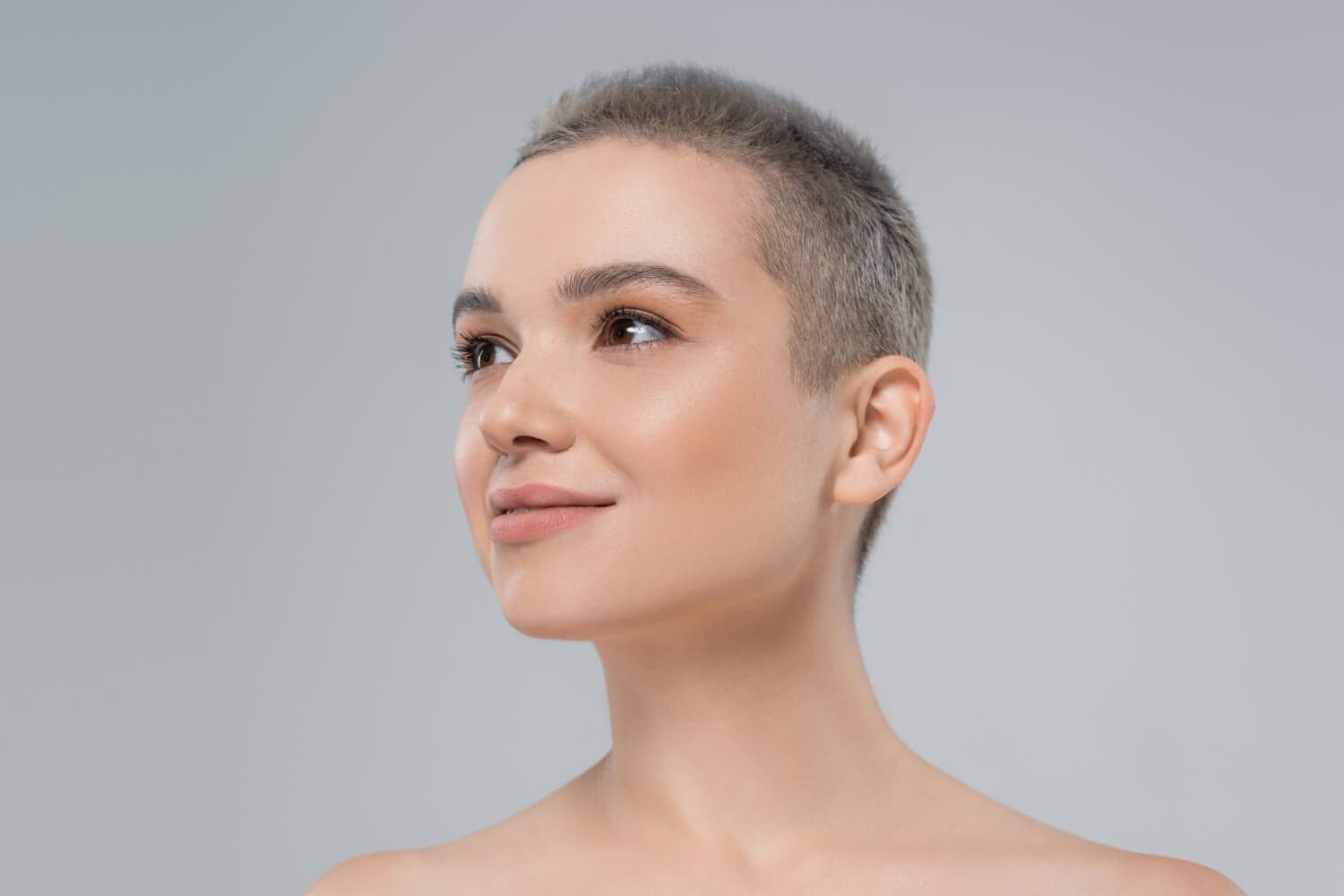
Αυτή είναι μια χαρούμενη στιγμή: έχετε ολοκληρώσει την τελευταία σας σεσουάρ χημειοθεραπείας ή ακτινοθεραπείας και η θεραπεία του καρκίνου είναι επίσημα τελειωμένη. Συγχαρητήρια που ξεπεράσατε μια τόσο δύσκολη περίοδο της ζωής σας! Ανοίξτε το αλκοολούχο σαμπάνιας, συγκεντρώστε τους φίλους και την οικογένειά σας και απολαύστε τη ζωή σας--έχετε πολλά να περιμένετε, και η ανάπτυξη των μαλλιών μετά τη χημειοθεραπεία θα είναι ένα από αυτά.
Η τριχόπτωση είναι μια συνήθης παρενέργεια των θεραπειών καρκίνου και, όπως οι περισσότερες παρενέργειες, συνήθως υποχωρεί με τον καιρό. Τώρα που ολοκληρώσατε τη θεραπεία, τα μαλλιά σας θα αρχίσουν να μεγαλώνουν ξανά. Μερικά μέρη αυτής της διαδικασίας θα είναι περισσότερο ή λιγότερο αναμενόμενα (θα έχετε κοντά μαλλιά για πολύ καιρό), και άλλα μπορεί να σας εκπλήξουν λίγο (όπως οι μπούκλες από τη χημειοθεραπεία).
Για να σας βοηθήσουμε να ανταπεξέλθετε στις αλλαγές του επόμενου χρόνου, έχουμε προετοιμάσει έναν σύντομο οδηγό για να φροντίσετε τα νέα σας μαλλιά:
Το πρώτο σας έτος ανάπτυξης μαλλιών μετά τη χημειοθεραπεία
Όπως αναφέραμε, η τριχόπτωση είναι μια συνήθης παρενέργεια των θεραπειών καρκίνου, είτε χημειοθεραπείας είτε ακτινοθεραπείας. Αυτό συμβαίνει επειδή ο σκοπός των θεραπειών καρκίνου είναι να σταματήσει η εξάπλωση των καρκινικών κυττάρων, και ένας τρόπος για να το κάνετε αυτό είναι να σταματήσετε όλη την ανάπτυξη των κυττάρων--συμπεριλαμβανομένης της ανάπτυξης στις τριχοθήκες σας. Αυτός είναι ο λόγος για τον οποίο πολλοί άνθρωποι παθαίνουν ολική ή μερική απώλεια μαλλιών, βλεφάριδων και φρυδιών κατά τις θεραπείες.
Οι παρενέργειες των θεραπειών καρκίνου δεν εξαφανίζονται αμέσως όταν σταματάτε τη θεραπεία--θα παθαίνετε πιθανώς λίγες παρενέργειες για κάποιο χρονικό διάστημα, αλλά θα εξαφανιστούν με τον καιρό. Και όταν φύγουν, οι τριχοθήκες σας θα επανενεργοποιηθούν και τέλος θα αρχίσουν να παράγουν νέα μαλλιά. Μπορείτε να περιμένετε ότι η ανάπτυξη των μαλλιών θα ξεκινήσει εντός λίγων μηνών μετά την τελευταία θεραπεία σας, και ενδέχεται να παθαίνετε αλλαγές μαλλιών έως ένα χρόνο μετά την τελευταία θεραπεία σας.
Στάδια ανάπτυξης μαλλιών μετά τη χημειοθεραπεία
Δεν θα παθαίνουν όλοι την ανανέωση μαλλιών μετά τη χημειοθεραπεία με τον ίδιο τρόπο, καθώς η διαδικασία εξαρτάται από την ίδια τη θεραπεία του καρκίνου, τη γενετική σας και πολλές άλλες μεταβλητές. Ο ακόλουθος χρονοδιάγραμμα είναι απλώς μια προσεγγιστική εκτίμηση του πότε και τι αλλαγές μαλλιών μπορείτε να περιμένετε:
- Λίγες εβδομάδες μετά την τελευταία θεραπεία, περιμένετε το στάδιο του ροδακινένιου πουπουλιού. Το να το αποκαλείτε μαλλιά μπορεί να είναι υπερβολή αυτό το σημείο, αλλά είναι ανάπτυξη μαλλιών εν πάση περιπτώσει, και φέρει μεγάλα νέα: η αλλαγή είναι σε εξέλιξη! Ορισμένοι άνθρωποι θα φτάσουν στο στάδιο του ροδακινένιου πουπουλιού περίπου δύο μήνες μετά τη θεραπεία, οπότε μην ανησυχείτε. Τα χρονοδιαγράμματα ενδέχεται να διαφέρουν·
- 3 μήνες μετά την τελευταία θεραπεία, θα αρχίσετε να βλέπετε νέα ανάπτυξη μαλλιών--πραγματική ανάπτυξη μαλλιών, λίγο πιο παχιά από πριν. Λάβετε υπόψη ότι αυτά τα νέα μαλλιά ενδέχεται να είναι πολύ διαφορετικά από τα μαλλιά που είχατε: ενδέχεται να είναι λεπτότερα, ή ακόμη και διαφορετικού χρώματος. Δεν είναι ιδιαίτερα περίεργο για τα μαλλιά σε αυτό το στάδιο να είναι λευκά ή γκρίζα, ή ακόμη και ένα ή δύο χρωματικά τόνια σκουρότερα ή ελαφρότερα από το αρχικό τους χρώμα. Η παραγωγή χρωστικής ύλης δεν είναι ακόμη στην ταχύτητά της, οπότε μην ανησυχείτε πολύ για τις αλλαγές χρώματος, καθώς πιθανότατα θα είναι προσωρινές. Αξιοποιήστε αυτόν τον χρόνο για να εξερευνήσετε νέα στυλ και κομμώσεις, συμπεριλαμβανομένων εκείνων των κοντών κομμάτων που δεν τολμούσατε ποτέ να φορέσετε·
- 6 μήνες μετά την τελευταία θεραπεία, αγκαλιάστε τις μπούκλες από τη χημειοθεραπεία. Περιμένετε, τι; Ποτέ δεν είχατε μπούκλες και τώρα έχετε; Λοιπόν, τα νέα σας μαλλιά ενδέχεται να έχουν τη δική τους προσωπικότητα σε αυτόν τον τομέα. Το να παθαίνετε σγουρά μαλλιά μετά τη χημειοθεραπεία είναι μια εκπληκτική παρενέργεια που πολλοί δεν περιμένουν ότι θα συμβεί, αλλά είναι πολύ συνηθισμένη. Είναι επίσης, κατά κύριο λόγο, απλώς μια φάση·
- 12 μήνες μετά την τελευταία θεραπεία, τα μαλλιά σας θα αρχίσουν να μοιάζουν με τα μαλλιά σας πριν τη χημειοθεραπεία. Το χρώμα θα πρέπει να έχει σταθεροποιηθεί μέχρι τώρα, καθώς και το πάχος και η υφή.
Πώς να προωθήσετε την ανάπτυξη μαλλιών μετά τη χημειοθεραπεία
Τώρα που τα μαλλιά σας ξαναμεγαλώνουν, αξίζει να δείτε τι μπορείτε να κάνετε για να προσφέρετε ένα χέρι βοήθειας. Ακριβώς όπως είναι σημαντικό να φροντίσετε το τριχωτό της κεφαλής σας, το οποίο ενδέχεται να αισθάνεται λίγο ευαίσθητο, είναι επίσης σημαντικό να φροντίσετε τα νέα μαλλιά σας, τα οποία ενδέχεται να είναι πιο εύθραυστα και λεπτότερα από ό, τι συνηθίζετε. Ενδέχεται να χρειαστεί να προσαρμόσετε, αλλά αυτές οι συστάσεις μπορούν να βοηθήσουν:
Προστατέψτε το τριχωτό της κεφαλής σας ανά πάσα στιγμή
Το τριχωτό της κεφαλής είναι το δέρμα από το οποίο φύονται τα μαλλιά. Αν δεν είναι υγιές και προστατευμένο, θα είναι πιο δύσκολο για τα μαλλιά σας να είναι υγιή. Ένα πράγμα που μπορείτε να κάνετε για να κατευνάσετε το τριχωτό της κεφαλής σας είναι να κοιμάστε σε μαξιλάρια από μετάξι ή σατέν. Εάν προτιμάτε κανονικά μαξιλάρια, ενδέχεται να θέλετε να εξετάσετε ένα καπέλο ή ένα καπέλο ύπνου.
Ενυδατώστε το τριχωτό της κεφαλής σας
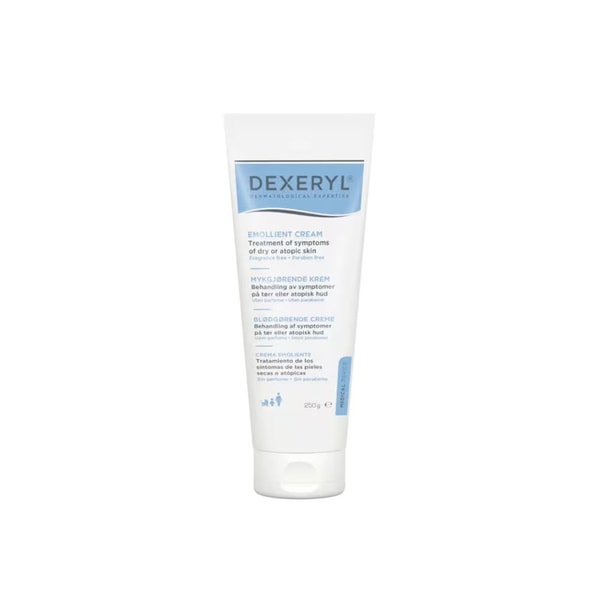
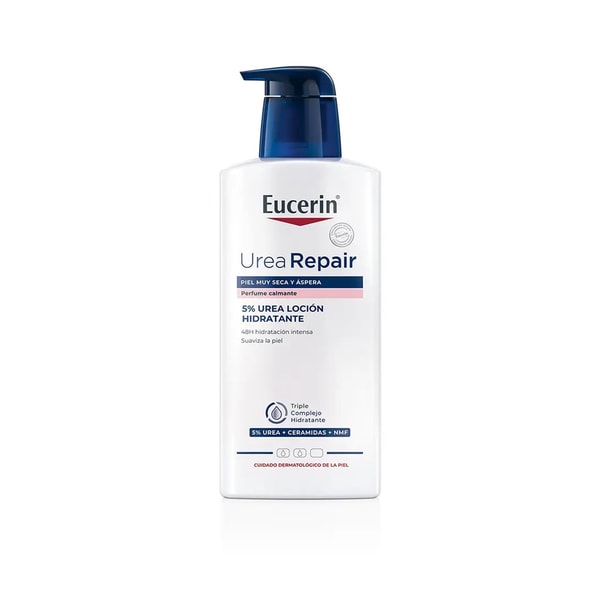
Στις πρώτες μέρες της περιόδου ανανέωσης των μαλλιών σας, όταν δεν έχετε μαλλιά ή έχετε λίγο ροδακινένιο πουπουλί, αντιμετωπίστε το τριχωτό της κεφαλής σας ως καθαρό δέρμα και ενυδατώστε το. Επιλέξτε ήπιες φόρμουλες που προστατεύουν το δέρμα σας και είναι εύκολες στη χρήση.
Χρησιμοποιήστε ήπια σαμπουάν
Φροντίστε το τριχωτό της κεφαλής σας απαλά μασάζ του με ήπιο σαμπουάν όταν κάνετε ντους. Το μασάζ θα διεγείρει τη ροή του αίματος, και το ήπιο σαμπουάν θα διατηρήσει το τριχωτό της κεφαλής σας καθαρό χωρίς να ενεργοποιήσει αλλεργίες.


Αγκαλιάστε τα νέα σας μαλλιά
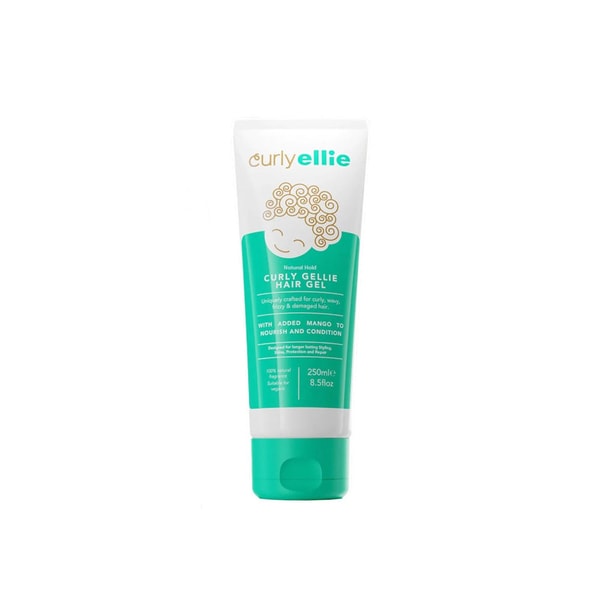
Όπως έχουμε δει, είναι δυνατόν τα μαλλιά σας να αποκτήσουν νέα υφή ή χρώμα καθώς αρχίζουν να ξαναφύονται μετά τις θεραπείες καρκίνου. Ενδέχεται να είναι δύσκολο να αντιμετωπίσετε αυτές τις αλλαγές--γιατί δεν μπορούν τα πράγματα να είναι απλώς κανονικά;--, αλλά θα πρέπει να διαρκέσουν περίπου ένα χρόνο. Αγκαλιάστε τα νέα προσωρινά σας μαλλιά και μάθετε να τα κτενίζετε με νέους και διασκεδαστικούς τρόπους, χρησιμοποιώντας ήπια προϊόντα styling.
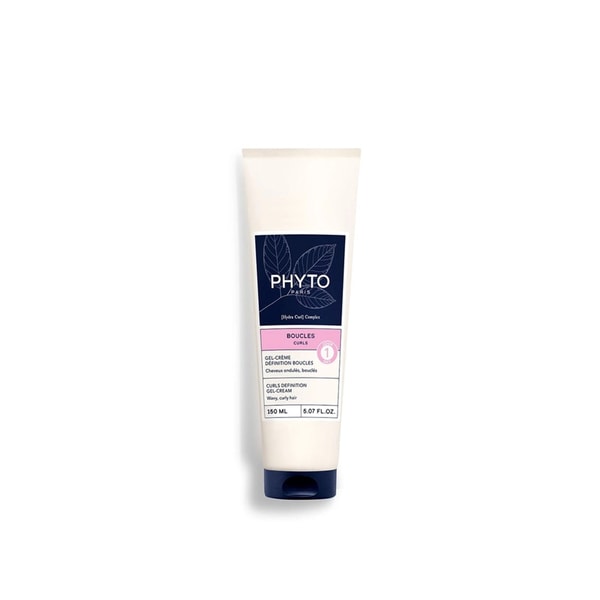
Σκεφτείτε συμπληρώματα βιοτίνης
Θα το κάνουμε σαφές: τα στοιχεία που υποστηρίζουν τα συμπληρώματα βιοτίνης είναι ακόμη πολύ ασαφή. Ωστόσο, πολλοί γιατροί έχουν βιώσει καλά αποτελέσματα στην πρακτική τους και, με βάση αυτά τα ανέκδοτα στοιχεία, συνεχίζουν να συστήνουν συμπληρώματα βιοτίνης για να υποστηρίξουν την ανάπτυξη των μαλλιών κατά τη μετα-χημειοθεραπείας περίοδο. Ενδέχεται να αξίζει να ρωτήσετε τον γιατρό σας πώς αισθάνεται για αυτά τα συμπληρώματα, και αν μπορεί να είναι χρήσιμα για εσάς.
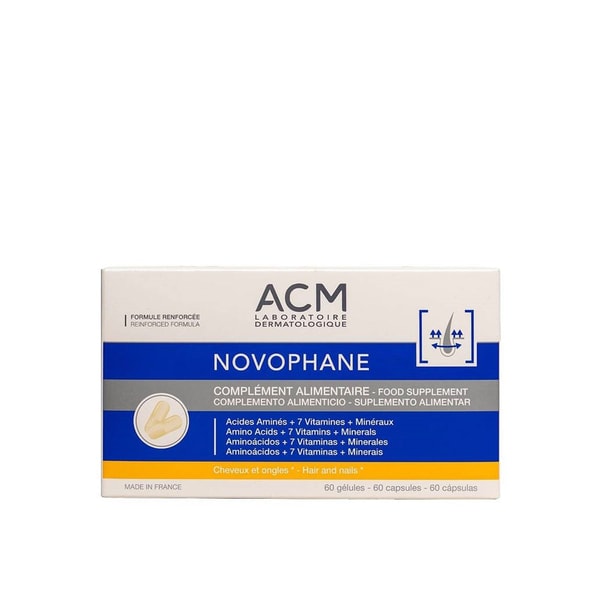
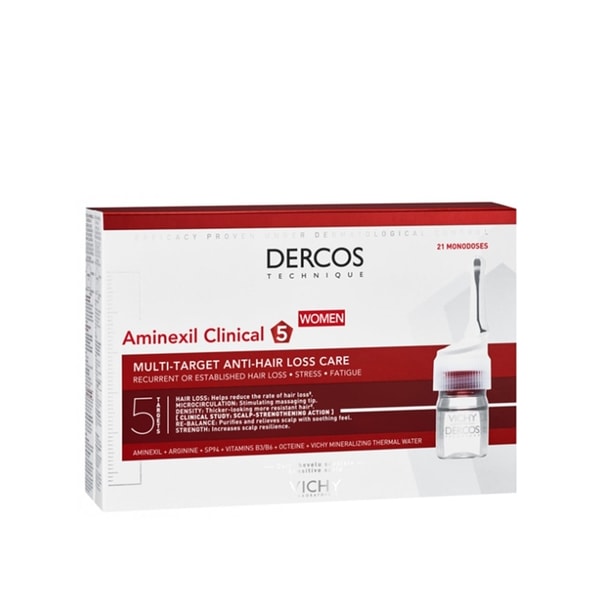
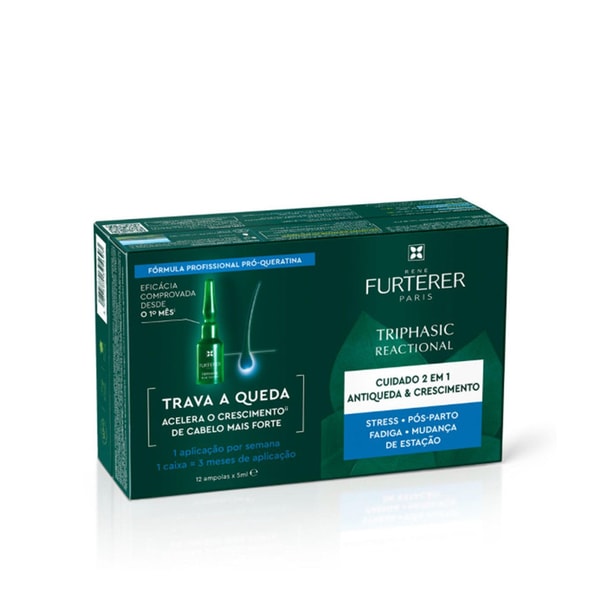
Χρησιμοποιήστε αμπούλες φροντίδας του τριχωτού της κεφαλής
Μεταξύ συμπληρωμάτων και τοπικών αμπούλων για να υποστηρίξουν την ανάπτυξη των μαλλιών, τα στοιχεία φαίνεται να ευνοούν τις αμπούλες. Ρωτήστε τον γιατρό σας εάν πιστεύει ότι οι τοπικές αμπούλες μπορούν να βοηθήσουν στη φροντίδα του τριχωτού της κεφαλής και να υποστηρίξουν υγιή ανάπτυξη μαλλιών μετά τις θεραπείες καρκίνου σας. Κάθε περίπτωση είναι διαφορετική, και ο γιατρός σας θα είναι σε θέση να σας κατευθύνει στη σωστή κατεύθυνση.
Τι να αποφύγετε όταν αντιμετωπίζετε μαλλιά μετα-χημειοθεραπείας
Τώρα που γνωρίζετε τι μπορείτε να κάνετε για να υποστηρίξετε την ανάπτυξη των μαλλιών μετά τις θεραπείες καρκίνου, ενδέχεται να αξίζει να δείτε τι θα πρέπει να αποφύγετε.
Με όλα τα όσα αναφέρονται, οτιδήποτε είναι σκληρό ή μόνιμο θα πρέπει να αποφευχθεί το πρώτο έτος--σκεφτείτε χημικές θεραπείες, βαφή μαλλιών και ούτω καθεξής. Με πιο καθημερινό τρόπο, τα κομμώσεις που κρατούν τα μαλλιά τραβηγμένα προς τα πίσω θα πρέπει επίσης να αποφευχθούν, λόγω κινδύνου εφελκυσμένης τριχόπτωσης.
Ακολουθούν ορισμένα παραδείγματα θεραπειών και στυλ που είναι καλύτερο να αποφευχθούν κατά τον πρώτο σας χρόνο ανανέωσης μετά τις θεραπείες καρκίνου:
- Μόνιμες θεραπείες περιστροφής ή χαλαρωτικές ουσίες·
- Περμανέντ μαλλιών·
- 漂λευκανση μαλλιών·
- Μόνιμες ή ημι-μόνιμες βαφές μαλλιών·
- Κοτσίδες και επεκτάσεις.
Θα υπάρχει χρόνος για να εξερευνήσετε όλες αυτές τις θεραπείες μόλις τα μαλλιά σας έχουν ξαναμεγαλώσει--αλλά για αυτό το πρώτο έτος, είναι καλύτερα να το αντιμετωπίσετε απαλά και να του δώσετε τις καλύτερες δυνατές συνθήκες για να μεγαλώσει υγιές και δυνατό.
Η φροντίδα των μαλλιών σας--και του δέρματος--μετά τις θεραπείες καρκίνου μπορεί να φαίνεται λίγο περίπλοκη, αλλά αν κρατήσετε τα πράγματα απλά, θα είναι διαχειρίσιμη. Εάν έχετε αμφιβολίες, απλώς κολλήστε στο καλλυντικά εγκεκριμένα από την ογκολογία το πρώτο έτος μετα-θεραπείας. Καθώς αρχίζετε να επιστρέφετε στον τρόπο ζωής σας, μπορείτε να παραμείνετε με αυτές τις δοκιμασμένες ουσίες (είναι όσο ήπιες είναι δυνατόν!), ή να αρχίσετε να πειραματίζεστε με άλλα καλλυντικά που βρίσκετε πιο ελκυστικά.