Vásárolj a caretobeauty.com oldalon — Az online szépségápolási üzleted



Ezt a cikket automatikusan fordították le angolról, és pontatlanságokat tartalmazhat.
Ez egy öröm pillanata: befejezted az utolsó kemoterápiás vagy sugárterápiás kezelést, és a rákkezelésed hivatalosan véget ért. Gratulálunk az ilyen megterhelő időszak leküzdéséhez! Nyiss meg egy alkoholmentes pezsgőt, hívd össze barátaidat és családodat, és élvezd az életedet – sok minden vár rád, és a hajnövesztés a kemoterápia után valószínűleg egyike lesz ezeknek a dolgoknak.
A hajvesztés a rákkezelések gyakori mellékhatása, és a legtöbb mellékhatáshoz hasonlóan, ez idővel általában elmúlik. Most, hogy befejezted a kezelést, a hajad ismét kezd növekedni. Ennek a folyamatnak néhány része többé-kevésbé várható lesz (hosszú ideig rövid hajad lesz), míg mások meglepőek lehetnek (például a kemoterápiás göndörödés).
Hogy segítsen neked ebben az elkövetkező év változásain, egy rövid útmutatót készítettünk az új hajad gondozásához:
Az első év hajnövesztéséd a kemoterápia után
Amint említettük, a hajvesztés a rákkezelések gyakori mellékhatása, függetlenül attól, hogy kemoterápia vagy sugárterápia. Ez azért történik, mert a rákkezelések célja a daganatos sejtek terjedésének megállítása, és az egyik módja ennek az összes sejtgrowth megállítása – beleértve a hajhagymamaiban történő növekedést is. Ezért tapasztalnak sokan teljes vagy részleges haj-, szempilla- és szemöldökvesztést a kezelések során.
A rákkezelések mellékhatásai nem tűnnek el, amint befejezteted a kezelést – még egy ideig valószínűleg néhány mellékhatást fogsz tapasztalni, de azok idővel elmúlnak. És ha eltűntek, a hajhagymamaeid ismét felélednek és végre új hajszálakat kezdenek termelni. A hajnövesztés az utolsó kezelés után néhány hónapon belül kezdődhet, és az utolsó kezelés után egy évig tapasztalhatod a hajváltozásokat.
A hajnövesztés szakaszai a kemoterápia után
Nem mindenki tapasztalja meg a hajújranövekedést a kemoterápia után ugyanúgy, mivel a folyamat a rákkezeléstől, a genetikádtól és sok más tényezőtől függ. A következő ütemterv csupán egy durva becslés arról, hogy milyen hajváltozásokra számíthatsz és mikor:
- Néhány héttel az utolsó kezelés után, számíts az őszibarackvillanyos szőr szakaszára. Az, hogy hajnak hívjuk, túlzás lehet ebben a pontban, de ez talán hajnövesztés, és jó hírt hoz: változás van folyamatban! Egyes emberek csak két hónappal az utolsó kezelés után érik el az őszibarackvillanyos szőr szakaszát, szóval ne aggódj. Az ütemtervek eltérőek lehetnek;
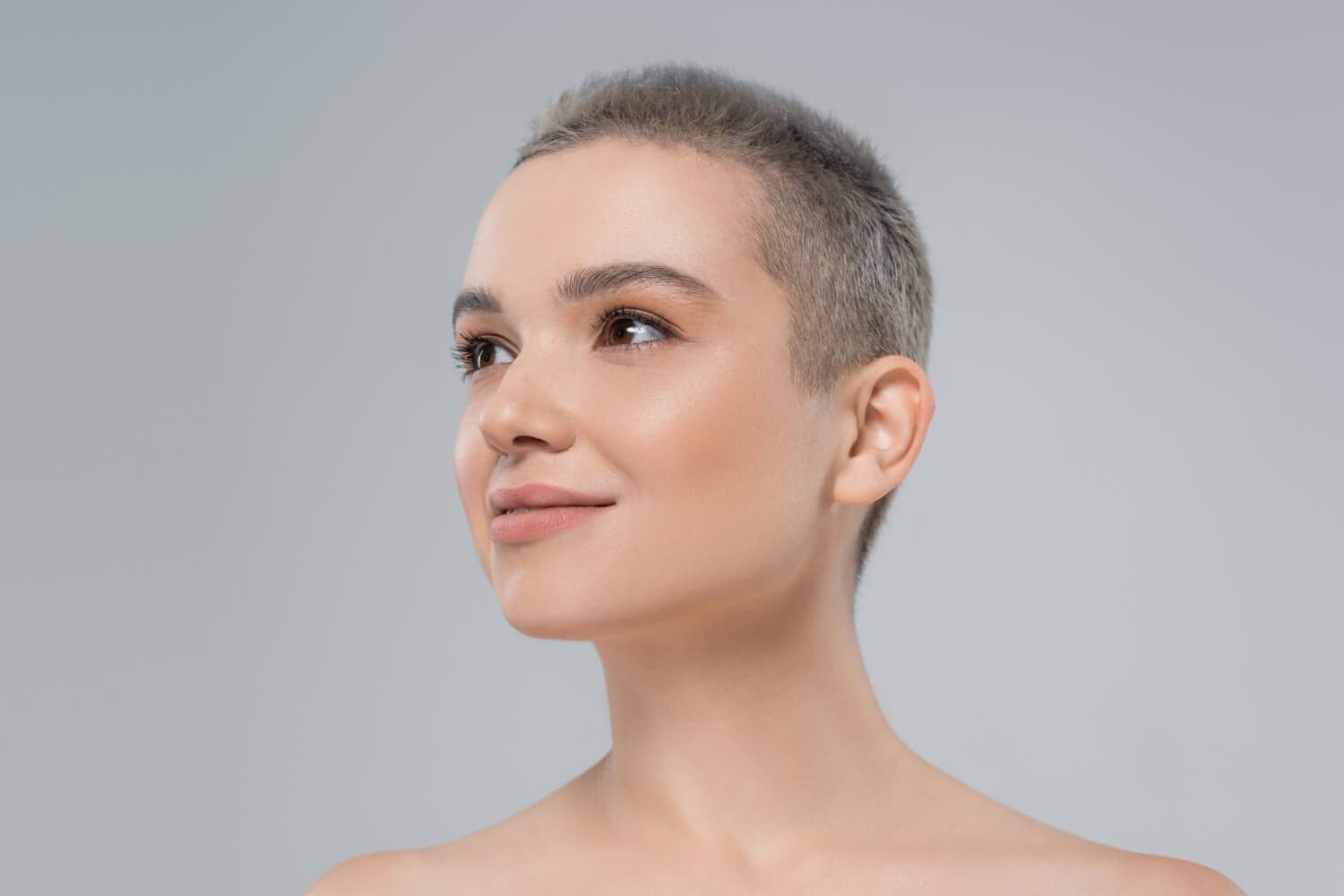
- 3 hónappal az utolsó kezelés után, kezded látni az új hajnövesztést – tényleges hajnövesztést, egy kicsit vastagabbat, mint korábban. Tartsd szem előtt, hogy ez az új haj nagyon különbözhet az eddig szokott hajadtól: vékonyabb lehet, vagy akár más színű is. Nem különösképpen furcsa, ha ebben a szakaszban a haj fehér vagy szürke, vagy akár egy-két árnyalattal sötétebb vagy világosabb az eredeti színénél. A pigmenttermelés még nem érte el a teljes sebességet, ezért ne aggódj túl sokat a szín változásain, mivel valószínűleg átmenetiek lesznek. Használd ezt az időt az új frizurák és hajstílok felfedezésére, beleértve azokat a pixie frízurákat is, amelyeket még soha nem merkeztél viselni;
- 6 hónappal az utolsó kezelés után, fogadd el a kemoterápiás göndörödést. Várj, mit? Soha nem volt göndör hajad, és most van? Nos, az új hajad ebben a területben önálló személyiséggel rendelkezhet. A göndör haj tapasztalása a kemoterápia után egy meglepő mellékhatás, amire sokan nem számítanak, de супер gyakori. Ez is, többnyire, csak egy fázis;
- 12 hónappal az utolsó kezelés után, a hajad kezd hasonlítani az előkemoterápiás hajadra. A szín addigra stabilizálódott, valamint a vastagság és a textúra is.
Hogyan támogassa a hajnövesztést a kemoterápia után
Most, hogy a hajad ismét növekszik, érdemes körülnézni, hogy mit tehetsz a segítségnyújtáshoz. Ahogy fontos az utad gondozása, amely lehet, hogy érzékeny, fontos az új hajad gondozása is, amely pode rághatóbb és vékonyabb, mint szokott. Lehet, hogy módosítanod kell, de ezek az ajánlások segíthetnek:
Védd az utadat mindig
Az uta az a bőr, amelyből a haj nő. Ha nem egészséges és védett, az nehezebb lesz a hajadnak egészségesnek lenni. Az egyik dolog, amelyet megtehetsz az utad megnyugtatásához, hogy selyem vagy szatin párnahéjakon alszol. Ha normál párnahéjakat részesítesz előnyben, fontolóra veheted az alvóbonettot vagy sapkát.
Hidratáld az utadat
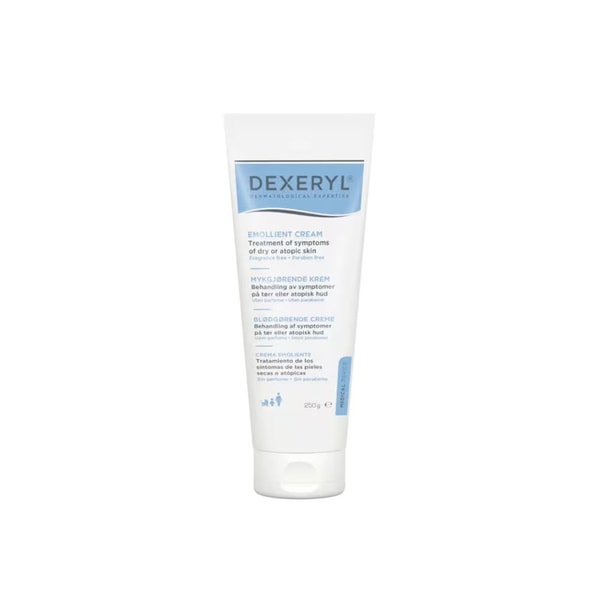
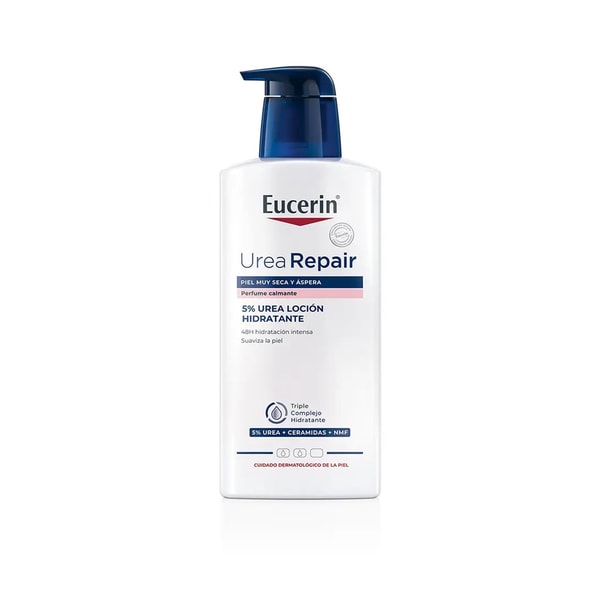
A hajújranövekedés útja korai napjaiban, amikor nincs hajad, vagy csak egy kicsit őszibarackvillanyos szőr, kezelj az utadat tiszta bőrként és hidratáld. Válassz szelíd formulákat, amely megvédik a bőrödet és könnyűek a használathoz.
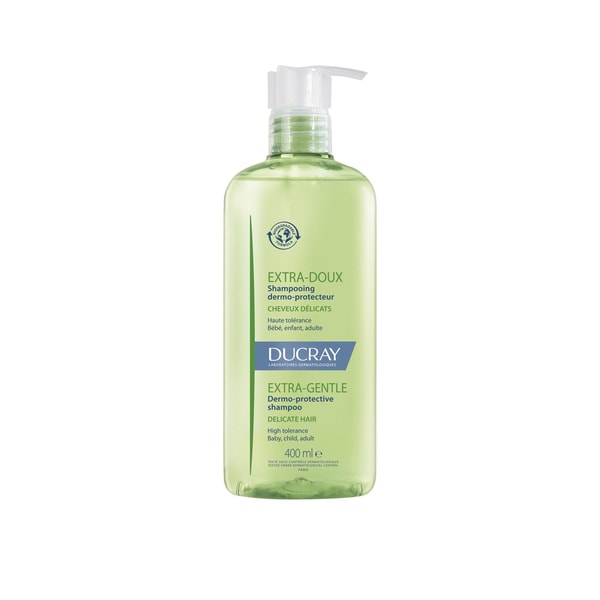
Használj szelíd samponokat
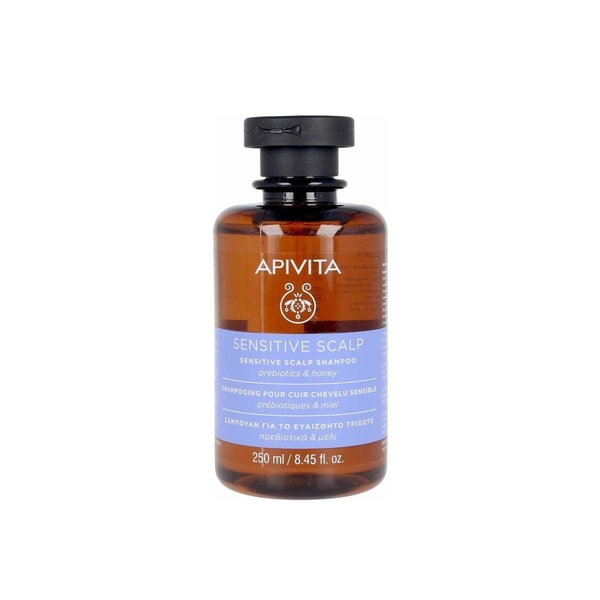
Gondoskodj az utadról azáltal, hogy szelíd samponnal finoman masszírozod azt a zuhanyozás során. A masszázs felgyorsítja a vérkeringést, és a szelíd sampon tisztán tartja az utadat anélkül, hogy allergiákat váltana ki.
Fogadd el az új hajad
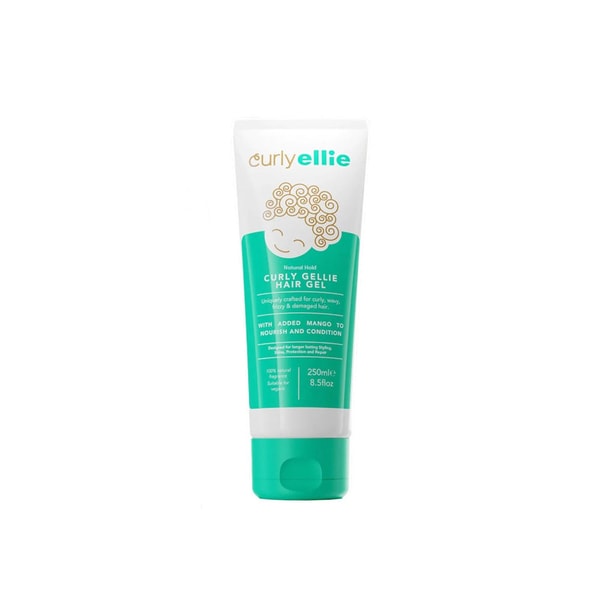
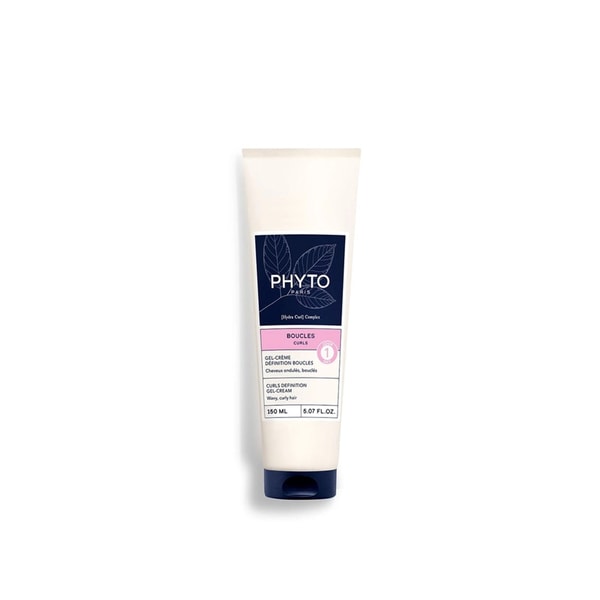
Amint láttuk, lehetséges, hogy a haja új textúrát vagy színt vegyen fel, ahogy a rákkezelések után újranő. Nehéz lehet ezekkel a változásokkal foglalkozni – miért nem lehetne minden normális? – de azoknak csak körülbelül egy évig kell tartaniuk. Fogadd el az új ideiglenes hajad, és tanulj meg új és szórakoztató módokon stílusban adni, szelíd stílusozó termékeket használva.
Fontolóra veheted a biotin kiegészítéseket
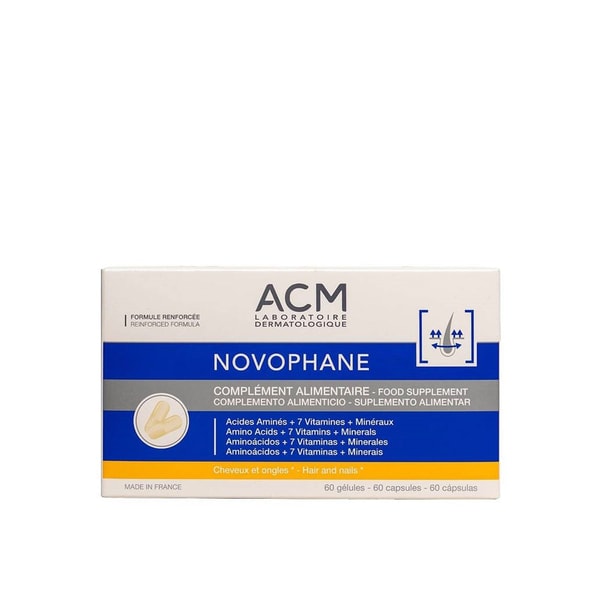
Világosan kijelentjük: a biotin kiegészítéseket támogató bizonyíték még mindig nagyon bizonytalan. Azonban sok orvos jó eredményeket tapasztalt a gyakorlatukban, és ezekre az anekdotikus bizonyítékokra alapozva továbbra is ajánlják a biotin kiegészítéseket a hajnövesztés támogatásához a kemoterápia utáni időszakban. Érdemes lehet megkérdezni az orvosod, mit gondol ezekről a kiegészítésekről, és hasznos lehetnek-e neked.
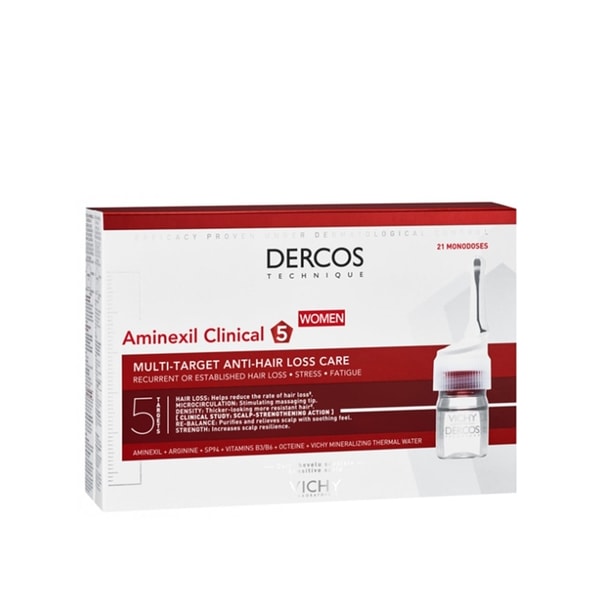
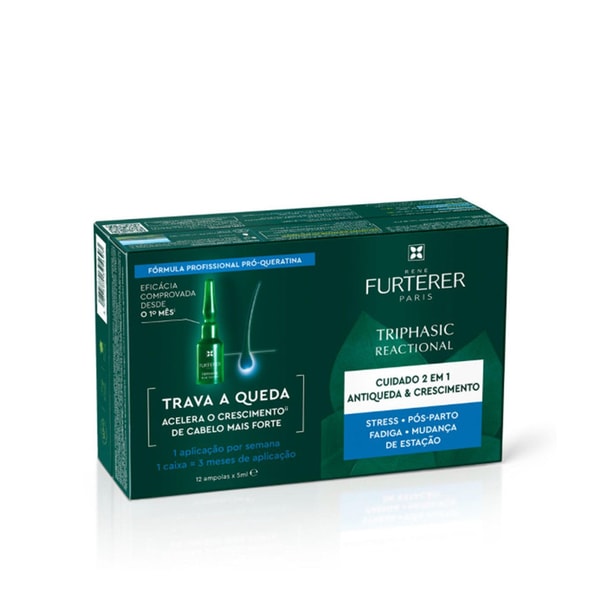
Használj utaápoló ampullát
A kiegészítések és a hajnövesztést támogató topikai ampullák között a bizonyítékok az ampullák felé kedveznek. Kérdezd meg az orvosod, gondolja-e, hogy a topikai ampullák segíthetnek az utad gondozásában és az egészséges hajnövesztés támogatásában a rákkezeléseid után. Minden eset más, és az orvosod képes lesz téged a helyes irányba vezetni.
Mit kerülj el a kemoterápia utáni haj kezelésében
Most, hogy tudod, mit tehetsz a hajnövesztés támogatásához a rákkezelések után, érdemes körülnézni, mit kell kerülnöd.
Mindent egybevetve, bármit, ami durva vagy végleges, kerülnöd kell az első évben – gondolj a kémiai kezelésekre, hajfestésre és így tovább. Egy napi alapon a hajat visszafogó frizurákat is kerülnöd kell, a vonóhatást okozó hajvesztés kockázata miatt.
Íme néhány példa a kezelésekre és stílusokra, amelyeket legjobb kerülnöd az első évben az újranövekedés során a rákkezelések után:
- Tartós egyenesítő kezelések vagy relaxálók;
- Hajcsavarás;
- Haj-fehérítés;
- Tartós vagy félig tartós hajfestékek;
- Fonatok és hosszabbítások.
Lesz idő arra, hogy ezeket a kezeléseket fedezd fel, amint a hajad újranövekedett – de ebben az első évben a legjobb, ha szelíden bánod vele, és a lehető legjobb feltételeket biztosítod az egészséges és erős növekedéshez.
A hajad – és a bőröd – gondozása a rákkezelések után egy kicsit bonyolultnak tűnhet, de ha egyszerűen tartod a dolgokat, kezelhető lesz. Ha van valami kétséged, ragaszkodj az onkológia által jóváhagyott kozmetikumokhoz az első évben a kezelés után. Ahogy elkezdod a visszatérést az életed normáljára, ragaszkodhat ezekhez a bevált alapokhoz (amilyen szelídek csak lehetnének!), vagy elkezdhet kísérletezni más kozmetikumokkal, amelyeket vonzóbbnak találsz.