Apsipirkite caretobeauty.com – Jūsų internetinė grožio parduotuvė



Šis straipsnis buvo automatiškai išverstas iš anglų kalbos ir gali turėti netikslumų.
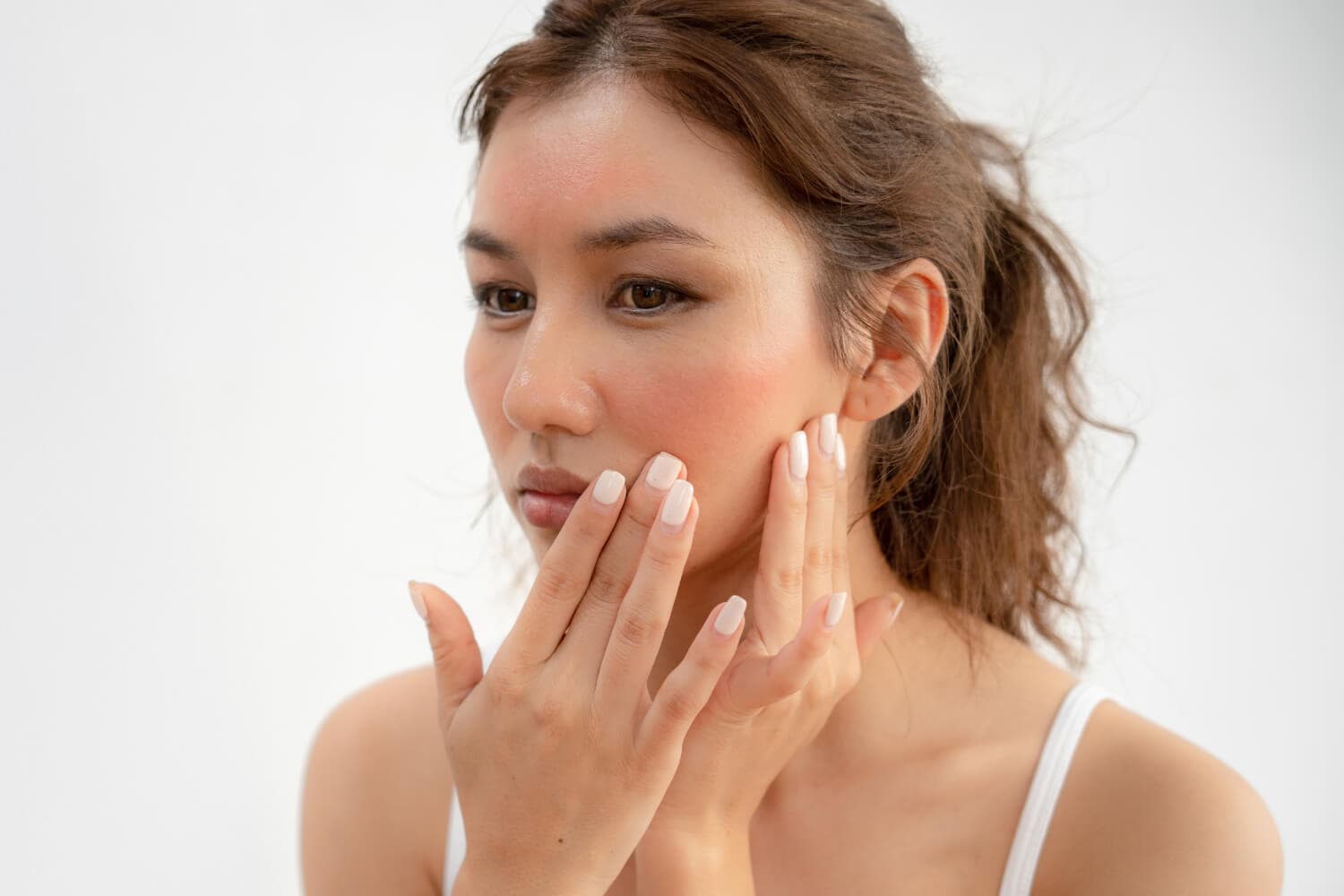
Mes visi žinome, kas yra jautri oda, bet tikrai žinome? Odos jautrumas gali turėti daugiau niuansų, nei tu manai. Šiandien mes apibrėšime, kas yra jautri oda – naudodamiesi tinkamu apibrėžimu, kurį maloniai pateikė mokslas – ir atsakysime į visus tolimesnius klausimus, kuriuos gali turėti. Prisijungk prie mūsų ir tyrinėk visus odos jautrumo sluoksnius!
Šiame straipsnyje:
- Kas yra jautri oda?
- Kokia yra pagrindinė jautrios odos priežastis?
- Kas provokuoja jautrią odą?
- Kaip sužinoti, ar turiu jautrią odą?
- Ar jautri oda visada sausa?
- Koks retas yra jautri odos reiškinys?
- Ką iš tikro gali būti jautri oda?
- Kokias yra skirtumai tarp jautrios odos ir sensibilizuotos odos?
- Ką naudoti jautriai odai?
Kas yra jautri oda?
Supratus apibrėžimo paieškos sudėtingumą, tarpdisciplininė komanda susikoncentravo kurti mokslinę teisingą apibrėžimą, kuris atitiktų tai, ką jautrią odą turintys žmonės suvokia ir patiria. Dėl to jieapibrėžė jautrią odą kaip "sindromą, kuriam būdinga nepageidaujamų pojūčių (dilginimas, degimas, skausmas, niežulys ir tinimas) atsiradimas dėl dirgiklių, kurie normaliai turėtų nesukelti tokių pojūčių. Šie nepageidaujami pojūčiai negali būti paaiškinti lezijomis, kurios būtų priskirtos bet kokiai odos ligai. Oda gali atrodyti normali arba būti lydi eritema. Jautri oda gali paveikti visas kūno vietas, ypač veidą".
Atsižvelgiant į šį apibrėžimą, galime pasakyti, kad jautri oda yra platus terminas, apibūdinantis odą, kuri linkusi rodyti dirginimo ženklus liečiantis su išoriniais agresiškumais. Daugiau nei medicininė diagnozė, tai apibūdina odą, kuri linkusi pradidinti, niežėti, susitempti ir degusti (jei paminėsime tik kelis jautrumo ženklus). Šie simptomai gali paveikti veido ir (arba) kūno odą.
Tačiau turėtum turėti omenyje, kad šie simptomai taip pat gali pasireikšti kaip atsakas į specifinį išorinį arba vidinį įvykį. Atsižvelgiant į tokius kintamuosius kaip simptomų dažnumas, kiek laiko jie išlieka, kaip stipriai jie tave paveikia ir kas juos provokavo, dermatologas gali padėti tau nustatyti, ar iš tikro turi jautrią odą, ar yra kita priežastis, geriau paaiškinti simptomus.
Kokia yra pagrindinė jautrios odos priežastis?
Nėra tiksliai žinoma, kodėl atsiranda odos jautrumas, bet yra kelios teorijos, kurios yra pakankamai svarbios aptarti."Keletas studijų parodė ryšį tarp jautrios odos ir epidermio barjero funkcijos sutrikdymo, kuris lemia odos diskomforto suvokimą", bet tai dar ne viskas.Straipsnis, paskelbtas Europos dermatologijos ir venereologijos akademijos žurnale papildo, kad jautri oda taip pat gali atsirasti dėl kitų odos veiksnių – tokių kaip atopinė predispozicija ir sensorinė nervų sistema – endogeninių veiksnių, pavyzdžiui hormoninių pokyčių, ar net gyvenimo būdo arba aplinkos veiksnių. Šie veiksniai gali būti ne tik odos jautrumo šaltinis, bet ir palaikyti odos jautrumą. Toliau pateiktasis vaizdas ištos pačios studijos iliustruoja šias įtakas, kad mums būtų lengviau suprasti.

Kas provokuoja jautrią odą?
Jautrumas gali reaguoti į tokius dirgiklius kaip ekstremali oro sąlyga, vėjas, pikantiškas maistas, alkoholis ir trintis, tik norint paminėti kelis iš jų. Įdomiausia yra tai, kad mokslininkai nustatė subtilus etninius skirtumus, kaip oda reaguoja į šiuos dirgiklius:pagal studijų, "Afro-amerikiečiai mažiau reagavo į aplinkos ir alkoholinius dirgiklius; hispanai mažiau reagavo į alkoholį; azijati daugiau reagavo į vėją, prieskonius ir alkoholį; o euro-amerikiečiai daugiau reagavo į vėją." Nepaisant tavo kilmės, įsitikink, kad žinosai, kas provokuoja tavo odos jautrumą, kad išvengtum nepageidaujamų simptomų.
Kaip sužinoti, ar turiu jautrią odą?
Jei turi jautrią odą, pastebėsi, kad tavo oda nesusilaikys nuo šio fakto jums parodimo. Ženklai gali apimti pradidimą, sauso arba tempdito, lengvo saulės nudegimo, ar kokio nors reaktyvumo liečiantis kosmetiką, labai šiltą ar šaltą orą, vėją ar apskritai gyvenimą.
Sudėtinga dalis – suprasti, ar turi jautrią odą, ar, be to, medicininę odos būklę, kuri gali reikalauti tolesnės priežiūros. Saugiausias veiksmų būdas – pasitarti su sveikatos priežiūros specialistu. Teisingai supratus tavo odos problemas ir konkrečius poreikius, galėsi pasirinkti geriausią priežiūrą, išvengdamas gyvenimo būdo opcijų arba produktų, kurie pablogina tavo pagrindinės būklės.
Ar jautri oda visada sausa?
Jautrumas lydi visus odos tonus ir tipus, ir tu gali turėti jautrią riebią odą. Tačiau nėra neįprasta, kad žmogus su jautria oda – net ir tie, kurie turi riebią odą – apibūdina savo odą kaip sausą. Gali atrodyti sumaištis, tačiau viskas sutampa: nepaisant odos tipo, jautri oda linkusi turėti suderintą odos barjerą, dėl kurio padidėja transepiderminis vandens nuostolis. Paprasčiau tariant, jautrumas dažnai tave nuvedą į dehidratuotos odos pradon – ir dehidratuotos odos pojūtis gali būti supainiojamas su saušumu.
Koks retas yra jautri odos reiškinys?
Negalime rasti sutarimo procentais, tačiau galima drąsiai pasakyti, kad jautri oda nėra retas reiškinys.Kai kurie straipsniai teigia kad jautros odos populiacija artima 40%, okiti aptiko kad net 68,4% žmonių save apibūdina turintys jautrią odą. Bet kuriuo atveju galima drąsiai pasakyti, kad jautri oda yra dažna odos problema, kuri paveikia visus nepriklausomai nuo lyties, amžiaus, odos tipo ar spalvos.
Ką iš tikro gali būti jautri oda?
Jautri oda yra žmoniškas terminas, o ne medicininė diagnozė. Jis paprastai naudojamas apibūdinti odą su sumažentu tolerancija kosmetinių ir asmens priežiūros produktų taikymui. Atlikusapklausas bent 40% žmonių praneša apie jautrią odą. Bet ar tai viskas? Iš tikro tie, kurie savistabiai diagnozuoja jautrią odą,gali turėti odos ligų manifestaciją kuri naudinga specifinei priežiūrai – pavyzdžiui, egzemai, kontaktinio dermatito, rosacinei, fotodermitosai, arba kitoms odos būklėms. Rekomenduojame grįžti prie tos pačios patarimo: pasitarti su sveikatos priežiūros specialistu.
Kokias yra skirtumai tarp jautrios odos ir sensibilizuotos odos?
Jautri oda yra labiau kaip savybė, o sensibilizuota oda yra labiau kaip būsena. Nors jautri oda nėra visam gyvenimui, ji linkusi palikt su tavimi. Kita vertus, sensibilizuotą odą galime laikyti trumpu padidinto jautrumo būsenos periodu dėl specifinių išorinių agresiškumų. Šis agresiškumas gali būti kosmetika, kuri nenumatytai nesuderėjo su tavo oda (todėlpatch testo svarba), saulės nudegimas, ar kosmetinė procedūra... galima pasakyti ką nori. Galime tai susumarinti sakydami, kad jei tavo oda paprastai gerai atrodo, bet jautrinama po specifinio įvykio, tada turime reikalą su sensibilizuota oda; kita vertus, jei nėra neįprasta, kad tavo oda rodyti jautrumo ženklus, tokius kaip pradidimas, tempdimas arba niežulys net be jokio agresiškumo, tada tu greičiausiai turi jautrią odą.
Ką naudoti jautriai odai?
Su jautria oda, tai yra daugiau klausimas, ką NEDARYTI. Svarbiausias dalykas yra būti atsargiam aplink produktus, kurie nėra suformuluoti specialiai jautriai odai. Jei įmanoma, pasirinki formules, skirtas jautriai odai, užuot tų, kurie teigia, kad skirtos visų odos tipamsįskaitant jautrią odą. Taip pat turėtum pastebėti, kaip jūsų odos jautrumas eina – visiškai normalu turėti periodus tam tikro odos stabilumo ir kitų itin padidinto jautrumo – ir turėtum pritaikyti savo odos priežiūros rutiną savo odos poreikiams. Saugus pasirinkimas – rinktis odos priežiūros produktus su minimaliosiomis formulėmis, sukoncentruotais ant odos hidrataciijos, ir tada baigti savo rutiną naudodamas kreminį nuo saulės, kuris tinka tavo odos tipui.
Mums labai patinka prižiūrėti jautrią odą, ir mes turime pasiūlymus, kurie gali būti naudingi. Pažiūrėk mūsų straipsnius su gražiomis odos priežiūrosrutinomis ir patarimais jautriai odai.