Iepērcieties vietnē caretobeauty.com — Jūsu tiešsaistes skaistumkopšanas veikals



Šis raksts ir automātiski tulkots no angļu valodas un var saturēt neprecizitātes.
Šis ir prieka pilns laiks: jūs esat pabeidzis savu pēdējo ķīmijterapijas vai staru terapijas kursu un jūsu vēža ārstēšana ir oficīāli pabeigta. Apsveicam par spēju pārvarēt tik smagu dzīves periodu! Atvērtiet alkohola brīvo šampanieti, pulcinājiet draugus un ģimeni un izbaudiet savu dzīvi — jums ir daudz, uz ko gaidīt, un matu augšana pēc ķīmijterapijas būs viens no tiem.
Matu izkrišana ir izplatīta vēža ārstēšanas blakusparādība, un tāpat kā lielākajai daļai blakusparādību, tā parasti ar laiku izzūd. Tagad, kad esat pabeidzis ārstēšanu, jūsu mati sāks augt no jauna. Daži šī procesa posmi būs vairāk vai mazāk paredzēti (jums ilgu laiku būs īsi mati), bet citi var būt nedaudz pārsteidzoši (piemēram, ķīmijterapijas locīšanās).
Lai palīdzētu jums šī gaidamā gada izmaiņās, esam sagatavojuši īsu ceļvedi, kas palīdzēs jums parūpēties par saviem jaunajiem matiem:
Jūsu pirmais gads matu augšanas pēc ķīmijterapijas
Kā jau minējām, matu izkrišana ir izplatīta vēža ārstēšanas blakusparādība neatkarīgi no tā, vai tā ir ķīmijterapa vai staru terapa. Tas notiek tāpēc, ka vēža ārstēšanas ideja ir apturēt vēža šūnu izplatīšanos, un viens no veidiem, kā to izdarīt, ir apturēt visu šūnu augšanu — ieskaitant augšanu jūsu matu folikulos. Tāpēc tik daudzi cilvēki piedzīvo pilnīgu vai daļēju matu, skropstu un uzacu izkrišanu ārstēšanas laikā.
Vēža ārstēšanas blakusparādības nepazūd tūlīt pēc ārstēšanas pārtraukšanas — iespējams, jūs vēl kādu laiku piedzīvosiet dažas blakusparādības, bet tās ar laiku pazudīs. Un kad tās pazudīs, jūsu matu folikuli tiks pamodināti un beidzot sāks ražot jaunas matu šķiedras. Varat sagaidīt, ka matu augšana sāksies dažus mēnešus pēc pēdējās ārstēšanas, un jūs varat piedzīvot matu izmaiņas līdz vienam gadam pēc pēdējās ārstēšanas.
Matu augšanas stadijas pēc ķīmijterapijas
Ne visi piedzīvos matu ataugšanu pēc ķīmijterapijas vienādi, jo process ir atkarīgs no pašas vēža ārstēšanas, jūsu ģenētikas un daudziem citiem mainīgajiem faktoriem. Tālāk sniegtais laika grafiks ir tikai aptuvens novērtējums par to, kad un kādas matu izmaiņas jūs varat sagaidīt:
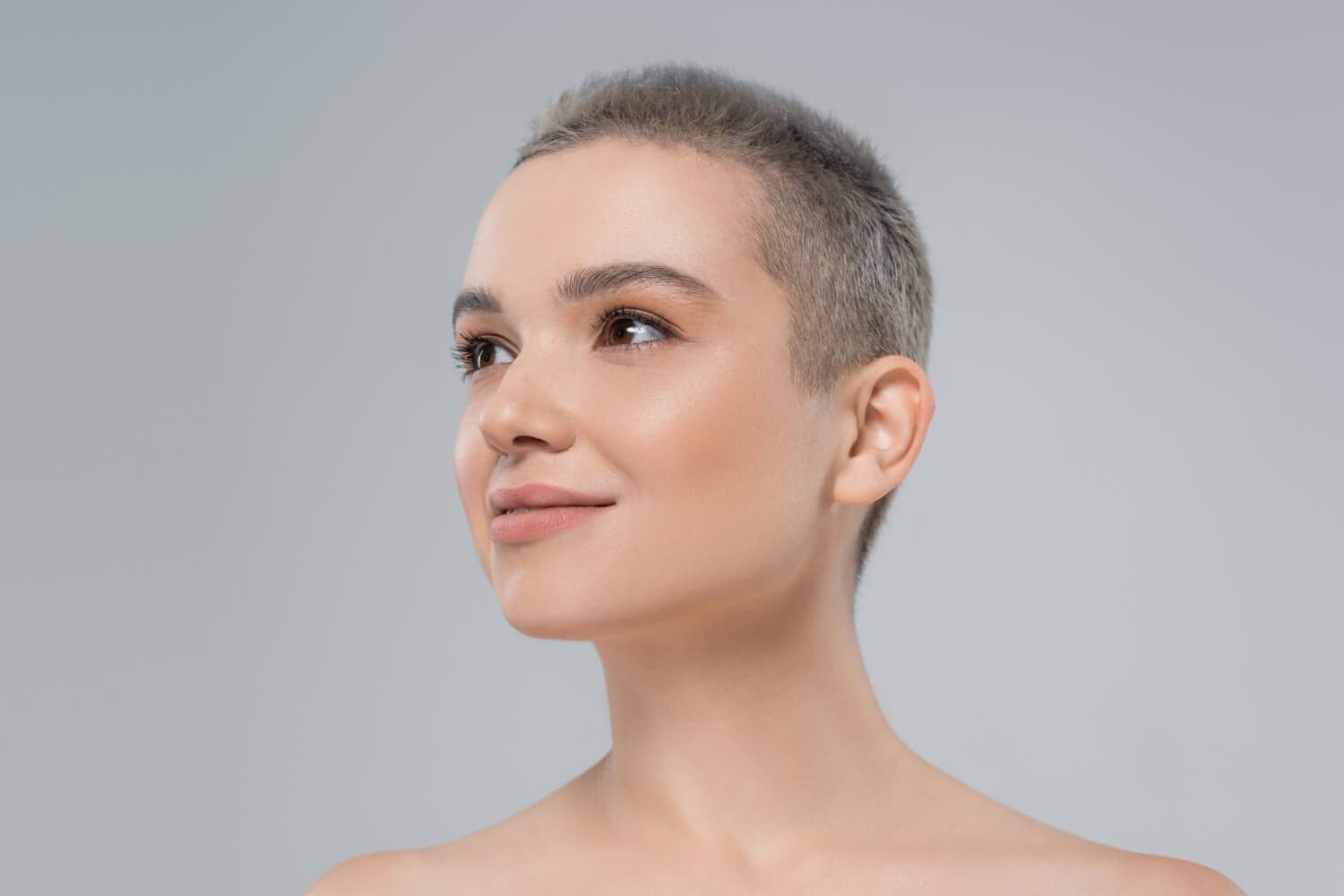
- Pāris nedēļas pēc pēdējās ārstēšanas, sagaidiet "peach fuzz" stadiju. Izsaukt to par matiem šajā stadijā varētu būt pārvērtējums, bet tas ir matu augšana tāpat, un tā nes lieliskas jaunumu: notiek izmaiņas! Daži cilvēki peach fuzz stadiju sasniegs tikai apmēram divas mēnešus pēc ārstēšanas, tāpēc nekautrējieties. Laika grafiki var atšķirties;
- 3 mēnešus pēc pēdējās ārstēšanas jūs sāksiet redzēt jaunu matu augšanu — patiešu matu augšanu, nedaudz biezāku nekā iepriekš. Paturiet prātā, ka šie jaunie mati var būt ļoti atšķirīgi no matiem, kādi jums bija iepriekš: tie var būt tievāki vai arī pavisam cita krāsa. Šajā stadijā nav īpaši dīvaini, ja mati ir balti vai pelēki, vai arī daudz tumšāki vai gaišāki nekā sākotnējā krāsa. Pigmenta ražošana vēl nav pilnā jaudā, tāpēc nekautrējieties par krāsas izmaiņām, jo tās iespējams būs pagaidām. Izmantojiet šo laiku, lai iepazītos ar jauniem matu stiliem un griezumiem, ieskaitant tos pixie griezumus, kurus jūs nekad neesat uzdrīkstējies nēsāt;
- 6 mēnešus pēc pēdējās ārstēšanas, pieņemiet ķīmijterapijas locīšanās. Brīdi, ko? Jums nekad nebija locīšanās, un tagad ir? Nu, jūsu jauniems matiem šajā jomā var būt sava personība. Locītu matu piedzīvojums pēc ķīmijterapijas ir pārsteidzoša blakusparādība, ko daudzi cilvēki negaida, bet tā ir ļoti izplatīta. Tas ir arī galvenokārt tikai fāze;
- 12 mēnešus pēc pēdējās ārstēšanas, jūsu mati sāks izskatīties līdzīgi jūsu matiem pirms ķīmijterapijas. Krāsa šobrīd jau būtu stabilizējusies, tāpat kā biezums un tekstūra.
Kā veicināt matu augšanu pēc ķīmijterapijas
Tagad, kad jūsu mati aug no jauna, ir vērts apzināties, ko jūs varat darīt, lai sniegtu palīdzību. Tāpat kā svarīgi ir parūpēties par galvas ādu, kas var justies nedaudz jutīga, ir svarīgi arī parūpēties par jaunajiem matiem, kas var būt trauslāki un tievāki nekā jūs esat pieraduši. Iespējams, jums būs jāpielāgo savi paņēmieni, bet šie ieteikumi var palīdzēt:
Aizsargājiet savu galvas ādu vienmēr
Jūsu galvas āda ir āda, no kuras aug mati. Ja tā nav vesela un aizsargāta, būs grūtāk, lai jūsu mati būtu veseli. Viena lieta, kuru jūs varat darīt, lai nomierinātu savu galvas ādu, ir gulēt uz zīda vai satīna spilvendrānam. Ja vēlaties normālu spilvendrānu, varat apsvērt miega bonetes vai cepures nēsāšanu.
Mitrinājiet savu galvas ādu
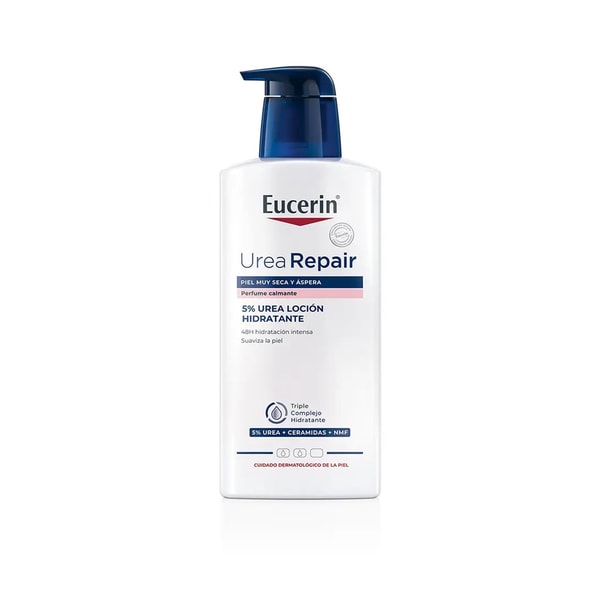
Sākumposmā jūsu matu ataugšanas ceļojumā, kad jums nav matu vai ir tikai mazliet peach fuzz, izturieties pret savu galvas ādu kā pret tīru ādu un mitrinājiet to. Izvēlieties maigus produktus, kas aizsargā jūsu ādu un ir viegli lietojami.

Izmantojiet maigus šampūnus
Parūpējieties par savu galvas ādu, to maigi masējot ar maigiem šampūņiem dušā. Masāža stimulēs asins plūsmu, un maigais šampūns saglabās jūsu galvas ādu tīru, neizraisot alerģijas.


Pieņemiet savus jaunus matus
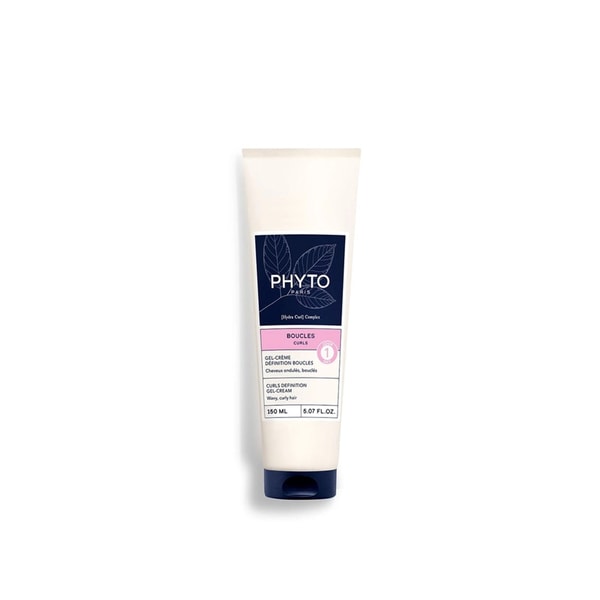
Kā esam redzējuši, ir iespējams, ka jūsu mati pieņem jaunu tekstūru vai krāsu, kad tie sāk augt atpakaļ pēc vēža ārstēšanas. Var būt grūti tikt galā ar šīm izmaiņām — kāpēc viss nevar vienkārši būt normāls? —, bet tās pastāvēs aptuveni vienu gadu. Pieņemiet savus jaunos pagaidu matus un iemācieties tos stilizēt jaunos un jautrīgos veidos, izmantojot maigus matu griezienu produktus.

Apsvērtiet biotīna papildinājumus
Mēs to padarīsim skaidru: pierādījumi, kas atbalsta biotīna papildinājumus, joprojām ir ļoti apšaubāmi. Tomēr daudzi ārsti ir piedzīvojuši labas rezultātes savā praksē un, balstoties uz šiem anekdotiski pierādījumiem, turpina ieteikt biotīna papildinājumus matu augšanas atbalstam pēc ķīmijterapijas perioda. Var būt vērts jautāt savam ārstam, kā viņš jūtas par šiem papildinājumiem un vai tie varētu būt noderīgi jums.
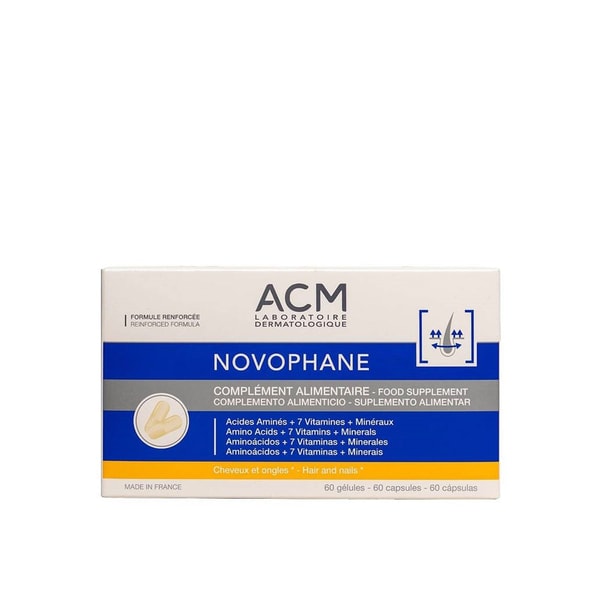
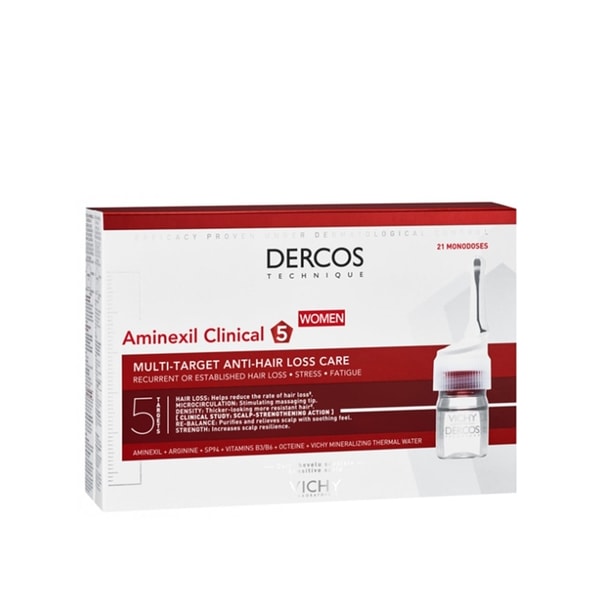
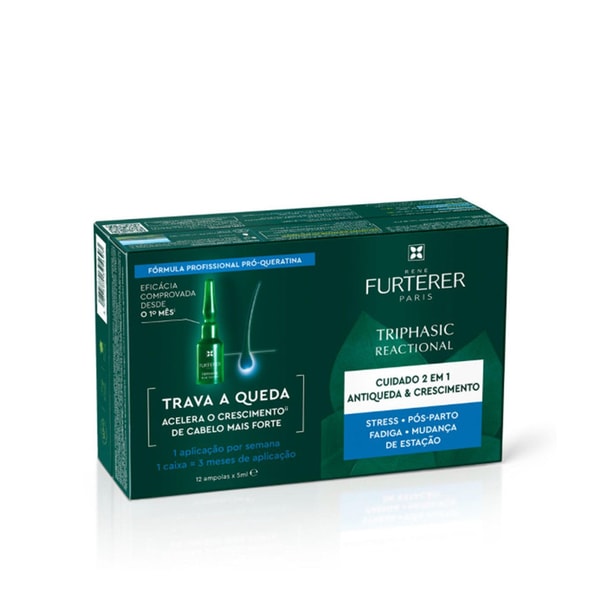
Izmantojiet galvas ādas aprūpes ampulas
Starp papildinājumiem un topiski lietojamām ampulām matu augšanas atbalstam, pierādījumi šķiet favorizē ampulas. Jautājiet savam ārstam, vai viņš uzskata, ka topiski lietojamas ampulas var palīdzēt parūpēties par jūsu galvas ādu un atbalstīt veselīgu matu augšanu pēc jūsu vēža ārstēšanas. Katrs gadījums ir atšķirīgs, un jūsu ārsts spēs jūs pareizi virzīt.
Ko izvairīties, rūpējoties par matiem pēc ķīmijterapijas
Tagad, kad jūs zināt, ko jūs varat darīt, lai atbalstītu matu augšanu pēc vēža ārstēšanas, var būt vērts apzināties, ko jums jāizvairās.
Ņemot visu vērā, jāizvairās no jebkā, kas ir asprīts vai pastāvīgs pirmajā gadā — domājiet par ķīmiskajiem produktiem, matu krāsošanu un tamlīdzīgi. Ikdienas bāzē jāizvairās arī no matu griezienu stiliem, kas matus tur iespiestos, jo pastāv vilkšanas alopēcijas risks.
Šeit ir daži piemēri ārstēšanas procedūrām un stiliem, kurus labāk izvairīties no pirmajā gada pēc vēža ārstēšanas ataugšanas:
- Pastāvīgās taisnošanas procedūras vai relaksatori;
- Matu perm;
- Matu balinājums;
- Pastāvīgas vai daļēji pastāvīgas matu krāsas;
- Pītes un pielāgošana.
Būs laiks, lai pēc tam izpētītu visas šīs procedūras, kad jūsu mati būs atauguši — bet šajā pirmajā gadā ir labāk to apsveikt maigi un radīt tam labākos iespējamos apstākļus augt veseliem un stipriem.
Rūpes par saviem matiem — un ādu — pēc vēža ārstēšanas var šķist nedaudz sarežģīta, bet, ja jūs visu turēsiet vienkāršu, tas būs pārvaldāms. Ja jums ir kādi šaubas, vienkārši turieties pie onkoloģijas apstiprināti kosmētikas produkti pirmajā gadā pēc ārstēšanas. Kad sākat pakāpeniski atgriezties savā dzīvesveidā, varat turpināt lietot šos pārbaudītos pamatproduktus (tie ir pēc iespējas maigākie!), vai sākt eksperimentēt ar citiem kosmētikas produktiem, kas jums šķiet pievilcīgāki.