Ixtri fuq caretobeauty.com — Il-ħanut online tal-beawtà tiegħek



Dan l-artikolu ġie tradott awtomatikament mill-Ingliż u jista' jkun fih żbalji.
Din hija ħin ta' ġoia: għamiltu r-rawd aħħari tal-chemoterapija jew radjoterappija u t-trattament tal-kanċer tiegħek ħa tlesta uffiċjalment. Immerikli li għalibtu perjodu tant diffiċli fil-ħajja tiegħek! Oħqod ix-xampanja mingħajr alkoħol, ġieħ il-ħbieb u l-familja tiegħek, u gawdi l-ħajja tiegħek--għandek ħafna li titħađđar għaliha, u t-tkabbir tax-xagħar wara l-chemoterapija hija probabbilment waħda minn dawk l-affarijiet.
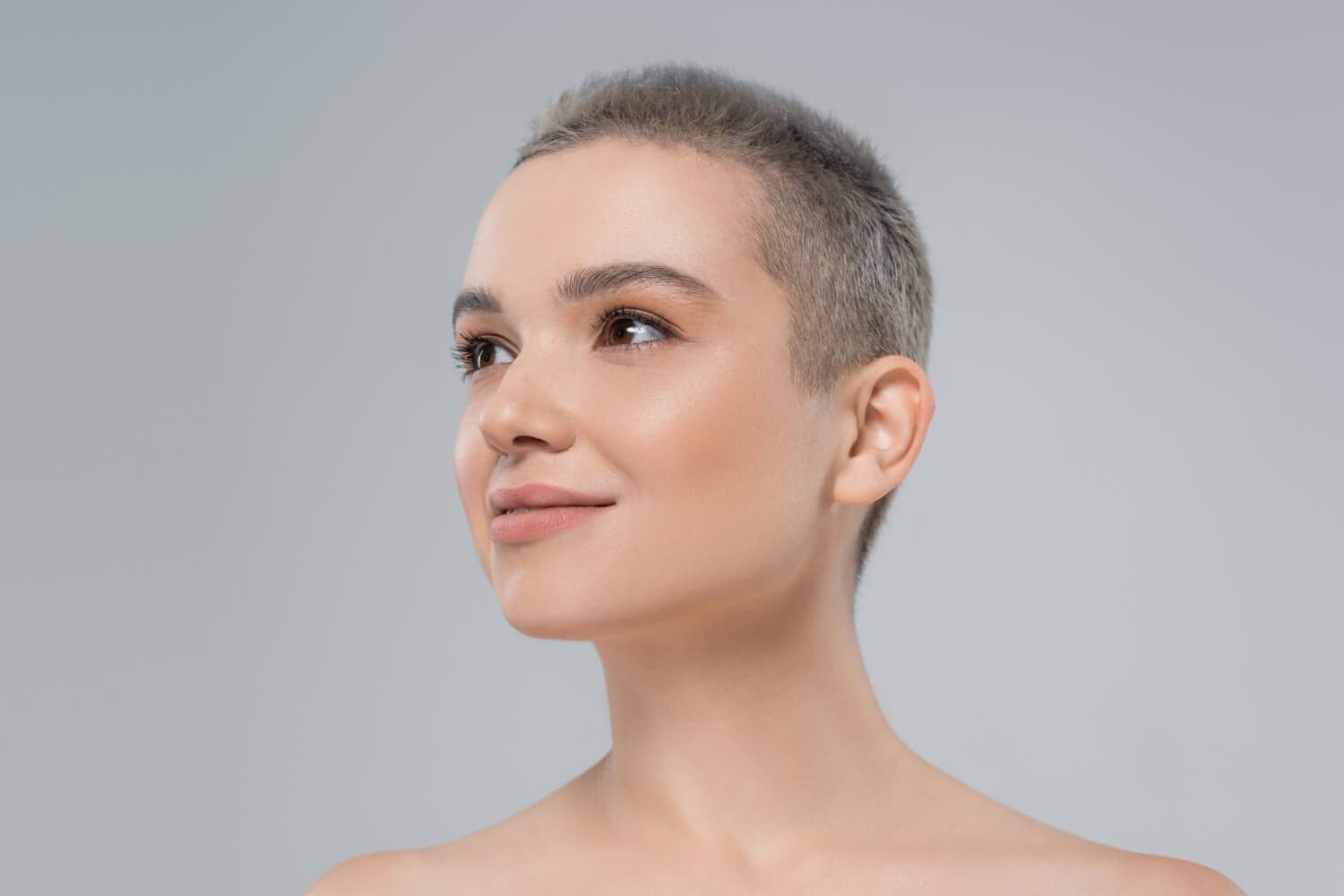
Il-waqgħa tax-xagħar hija effett ġenerali tat-trattamenti tal-kanċer, u bħal ħafna effetti ġenerali, normalment tintalaf maż-żmien. Issa li għummejtu t-trattament, ix-xagħar tiegħek jibda jikber mill-ġdid. Xi partijiet ta' dan il-proċess jkunu iżjed jew inqas mistennjin (ikollok xagħar qasir għal xi żmien twil), u oħrajn jista' jkunu kemmxejn sorprendenti (bħal l-curls tal-chemoterapija).
Biex nilqgħuuk mill-bidliet ta' din is-sena li ġejja, ippreparejna gwida qasira biex jtina d-dħul kif taħtieġ il-xagħar ġdid tiegħek:
Is-sena l-ewwel ta' tkabbir tax-xagħar wara l-chemoterapija
Kif għsonna, il-waqgħa tax-xagħar hija effett ġenerali tat-trattamenti tal-kanċer, kemm il-chemoterapija kif ukoll ir-radjoterappija. Dan jiġri għax l-għan tat-trattamenti tal-kanċer hu li jwaqqaf il-firxa tal-ċelluli kanċeriġeni, u mod wieħed biex tagħmel dan hu li waqqaf it-tkabbir tas-ċellula kollu--inkluż it-tkabbir fil-follikuli tax-xagħar tiegħek. Dan hu għaliex tħafna nies jiġu bl-esperjenza tal-waqgħa totali jew parzjali tax-xagħar, ċilji, u sopracċilji waqt it-trattamenti.
L-effetti ġenerali tat-trattamenti tal-kanċer ma jgħibbux fi ħdan it-tifla ħlief jekk waqqaft it-trattament--inti se jkollok l-esperjenza ta' xi effetti ġenerali għal ftit, imma se jidħlu fl-iffaċilita maż-żmien. U magħhom li jgħarrqu, il-follikuli tax-xagħar tiegħek jkunu iswejħu u fl-aħħar tant jibda jiproduku fili tax-xagħar ġodda. Tista' tistenna li t-tkabbir tax-xagħar jibda fi ftit xhur wara t-trattament aħħari tiegħek, u jista' jkollok l-esperjenza tal-bidliet tax-xagħar sal-sena wara t-trattament aħħari tiegħek.
Fażi tat-tkabbir tax-xagħar wara l-chemoterapija
Mhux kulħadd se jiġu bl-esperjenza tal-qrar tax-xagħar wara l-chemoterapija bl-istess mod, peress li l-proċess jiddipendi fuq it-trattament tal-kanċer nnifsu, il-ġenetika tiegħek u ħafna varjabbli oħrajn. Il-kronolohija li ġejja hija sempliċement stima goff ta' meta u x'bidliet tax-xagħar tista' tistenna:
- Minndi xi ġimgħat wara t-trattament aħħari, mistennija l-fażi tal-peach fuzz. Meta tifquh "xagħar" jista' jkun kemmxejn itqal f'dan il-punt, imma xagħar huwa l-tat, u juxx niżżel aħbar tajjeb: il-bidla tkun qieġda! Xi nies se jiksbu biss sa l-fażi tal-peach fuzz madwar sentejn wara t-trattament, u għalhekk tħassna. Il-kronolohiji jistgħu jvarjaw;
- 3 xhur wara t-trattament aħħari, se tibda tidħol iċ-ċieda tat-tkabbir ġdid--tkabbir xagħar veru u prattiku, tippikk iżjed fis-sħiħ milli qabel. Żomm f'moħħok li dan ix-xagħar ġdid jista' jkun differenti ħafna mill-xagħar li kellek: jista' jkun eħfef, jew persino ta' kulur differenti. Mhuwiex partikolarment stranu li x-xagħar f'dan il-fażi jkun abjad jew griż, jew anke ta' ombra jew tnejn iżjed skur jew aktar ċar mill-kulur oriġinali tiegħu. Il-produzzjoni tal-pigment mhix sa l-veloċità, u għalhekk tħassna wisq dwar il-bidliet fil-kulur, peress li se jkunu probabbilment temporanja. Ħu dan il-ħin biex tesplora lookaturi u stiluri ta' xagħar ġodda, inklużi dawk il-piks cuts li qatt ma keont jorridu tidħol.
- 6 xhur wara t-trattament aħħari, aċċetta l-curls tal-chemoterapija. Instant, x'inhu? Qatt ma kellek curls u issa għandek? Ukoll, ix-xagħar ġdid tiegħek jista' jkun għandu persunalità tiegħu nnifsu f'dan il-post. Jieħu curly hair wara l-chemoterapija hija effett ġenerali sorprendenti li ħafna nies ma jistennux li jiġri, imma hija super komuni. Hija wkoll, il-biċċa, biss fażi;
- 12-il xahar wara t-trattament aħħari, ix-xagħar tiegħek se jibda jixbah ix-xagħar qabel il-chemoterapija tiegħek. Il-kulur għandu jkun issettjat issa, kif ukoll is-sħiħ u t-tekstura.
Kif tippromwovi t-tkabbir tax-xagħar wara l-chemoterapija
Issa li jikber ix-xagħar tiegħek mill-ġdid, jiswa l-pena li tħares f'dak li tista' tagħmel biex taġğ yd ta' tnejn. Bħal kemm huwa importanti li taħtieġ il-qalgħa tiegħek, li jista' jkun qed jirra' kemmxejn sensittiv, huwa wkoll importanti li taħtieġ ix-xagħar ġdid tiegħek, li jista' jkun aktar fraġli u eħfef milli int gewwa misjuq. Jista' jkollok tiadatta, imma dawn ir-rakkomandazzjonijiet jistgħu jgħinuk:
Ipproteġi l-qalgħa tiegħek id-daqx kollu
Il-qalgħa tiegħek hija l-ġilda mill-inqas jikber ix-xagħar. Jekk mhix tas-sagħ u protetta, se jkun iżjed diffiċli biex ix-xagħar tiegħek jkun tas-sagħ. Ħaġa waħda li tista' tagħmel biex tilenji l-qalgħa tiegħek hija li tidħol fuq pillowcases silk jew satin. Jekk tippreferi pillowcases normali, jista' jkollok tqis bonnet ta' niket jew kappell.
Imidizza l-qalgħa tiegħek
F'dawn il-jiem kmieni tal-vjaġġ ta' qrar tax-xagħar tiegħek, meta għandek l-ebda xagħar jew biss ftit peach fuzz, ittrattu l-qalgħa tiegħek bħal ġilda pura u imidizza lil. Agħżel formuli ġentili li jqiegħdu l-ġilda tiegħek protetta u huma faċli għall-użu.
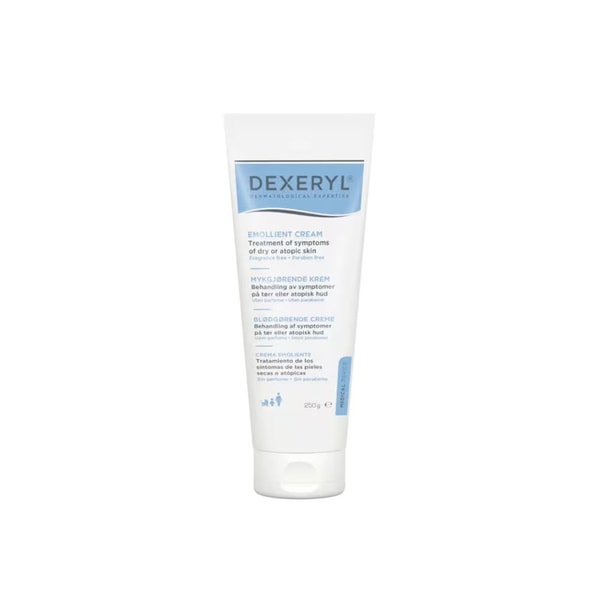
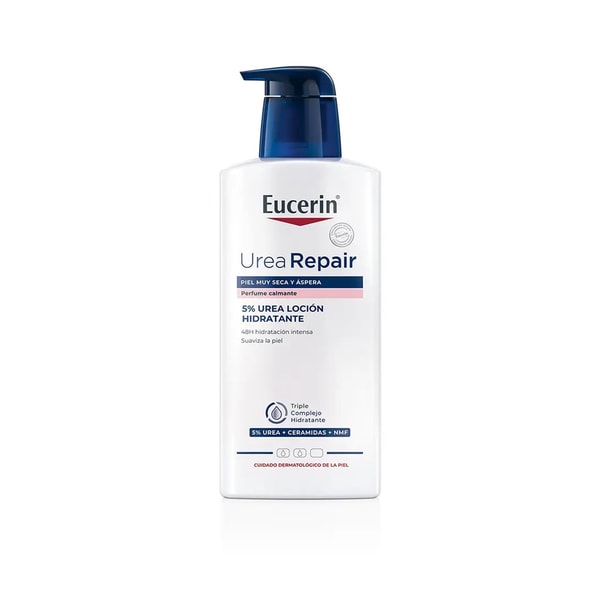
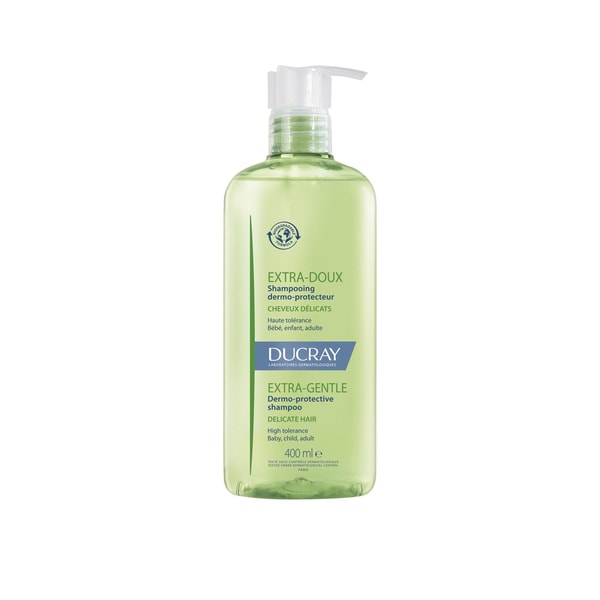
Uża shampooz ġentili
Iħtieġ il-qalgħa tiegħek billi tilenji dinjaha bir-rarità bir-razzun ġentil meta tdum. Il-massmass se jistimula l-fluss tad-demm, u l-shampo ġentil se iżomm il-qalgħa tiegħek nadifa mingħajr li jagħti triċċa ta' allerġiji.
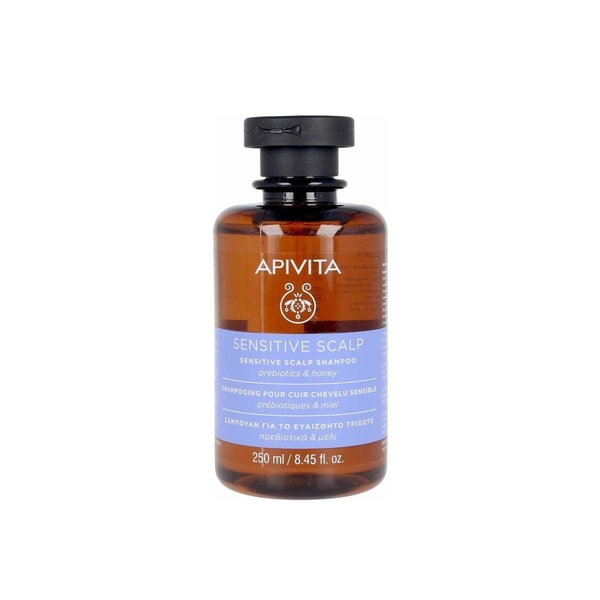
Aċċetta ix-xagħar ġdid tiegħek
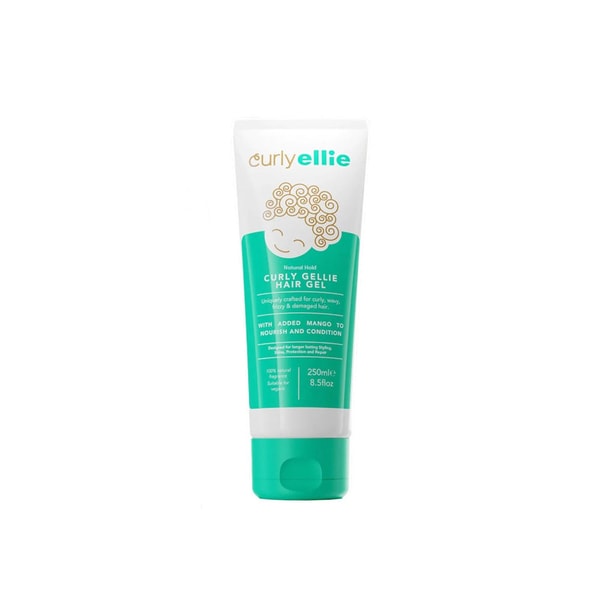
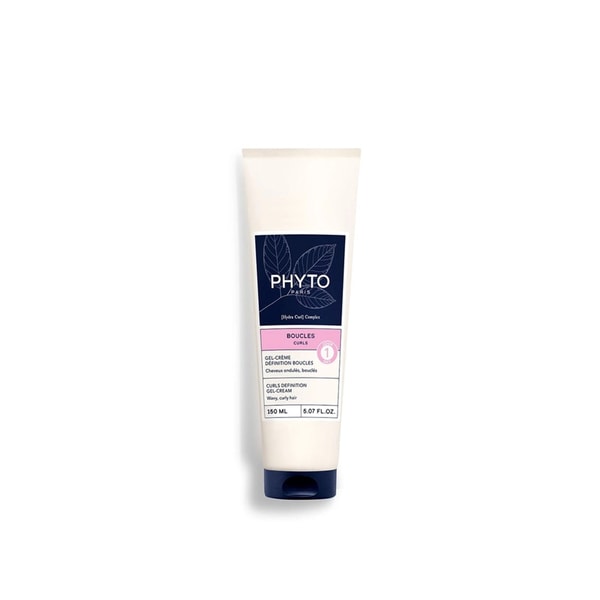
Kif rajna, hija possibbli li x-xagħar tiegħek jieħu t-tekstura ġdida jew il-kulur meta jibda jikber wara t-trattamenti tal-kanċer. Jista' jkun diffiċli li ttrattu dawn il-bidliet--għaliex ma jistax li l-affarijiet jkunu ġusti normali?--, imma se jdumu sena biss. Aċċetta x-xagħar ġdid temporanju tiegħek, u tgħallem biex tistilizza lih b'modi ġodda u divertenti, billi tuża prodotti tar-razzun ġentli.
Ikkunsidra s-supplimenti tal-biotin
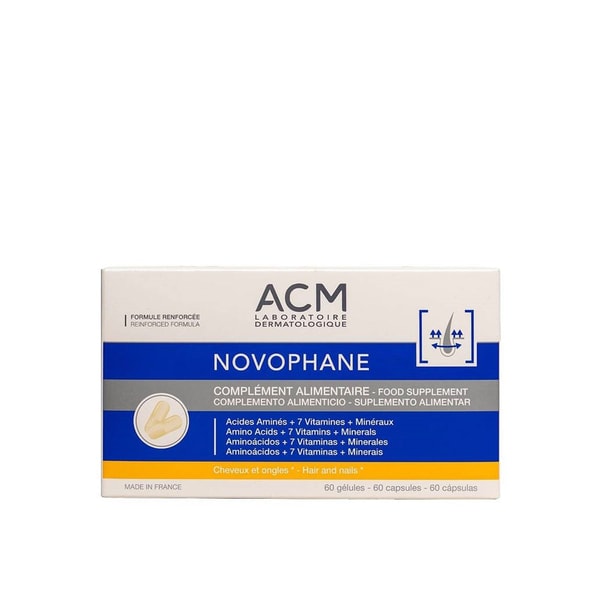
Se nqul dan b'ċar: l-evidenza li tassorbi s-supplimenti tal-biotin hija għadhom ħafna dodgy. Madankollu, ħafna dottri jħaw esperjenza ta' riżultati tajjin fil-prattika tagħhom u, abbażi ta' dan l-evidenza aneddottika, jibqgħu jirrakkedjaw is-supplimenti tal-biotin biex jassorbu t-tkabbir tax-xagħar wara l-perjodu wara l-chemoterapija. Jista' jiswa l-pena li titlob id-dottm tiegħek kif jaħsbu dwak is-supplimenti, u kemm jista' jkunu utli għalik.
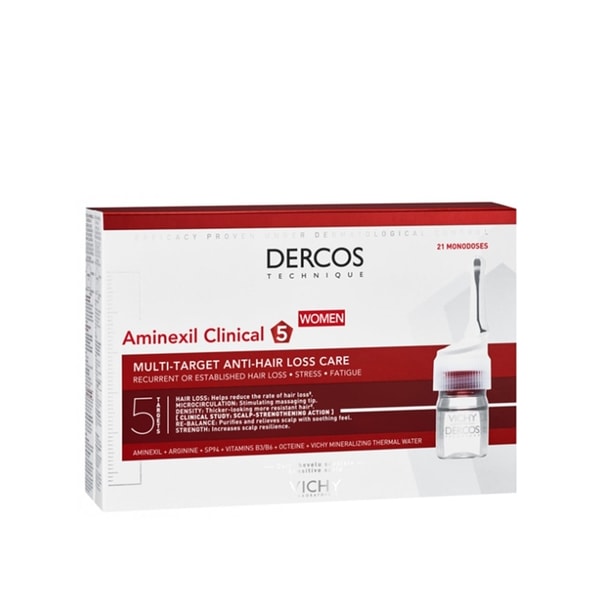
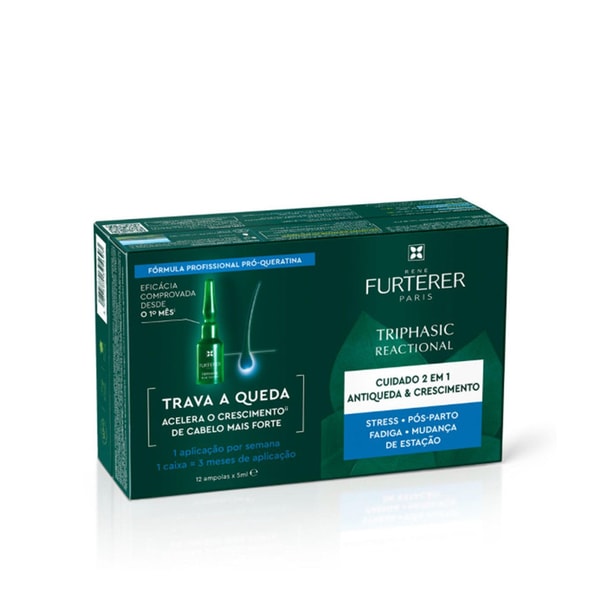
Uża ampolla ta' kura tal-qalgħa
Bejn is-supplimenti u l-ampolla toppikali biex jassorbu t-tkabbir tax-xagħar, l-evidenza tistgħu jiffavuri l-ampolla. Staqsi d-dottm tiegħek jekk jaħsbu li l-ampolla toppikali jistgħu jgħinuk jaħtieġ il-qalgħa tiegħek u jassorbu t-tkabbir tas-sagħ tax-xagħar wara t-trattamenti tal-kanċer tiegħek. Kull każ huwa differenti, u d-dottm tiegħek jkunu kapaċi jdirezzjuuk fit-triq it-tajba.
X'għandu jiġi evitat meta tittrattja l-xagħar wara l-chemoterapija
Issa li taf x'tista' tagħmel biex tassorbu t-tkabbir tax-xagħar wara t-trattamenti tal-kanċer, jista' jiswa l-pena li tħares f'dak li għandek tivita.
B'kuljum, xi ħaġa li hija harsh jew permanenti għandhom jiġu evitati s-sena l-ewwel--iffamja tal-kimika, kolar tax-xagħar, u l-bidu. Fuq bażi iżjed kuljum, ar-razzun tax-xagħar li iżommu l-xagħar jiġu mxekkla l-bierka għandhom jiġu evitati wkoll, minħabba r-riskju tal-waqgħa tax-xagħar tat-traċċa.
Hawn xi eżempji ta' trattamenti u razzun li huma l-aqwa li jiġu evitati waqt is-sena l-ewwel ta' qrar wara t-trattamenti tal-kanċer:
- Trattamenti ta' straightening permanenti jew rilassanti;
- Xagħar perming;
- Xagħar bleaching;
- Kuluri tax-xagħar permanenti jew semi-permanenti;
- Braids, u extensions.
Se jkun hemm ħin biex tesplora dawk it-trattamenti kollha meta jkun tkabbir ix-xagħar tiegħek--imma għal din is-sena l-ewwel, huwa l-aqwa li jtrattiha bil-ġentilezza u tagħtiha l-aħjar kundizzjonijiet possibbli biex tkabbir tas-sagħ u qawwija.
Iħtieġ ix-xagħar--u l-ġilda--wara t-trattamenti tal-kanċer jista' jidher kemmxejn ikkomplikat, imma jekk żomm l-affarijiet sempliċi, se jkun amministrabbli. Jekk għandek dubji, biss stennija cosmetika mirquba mill-onkoloġija f'is-sena l-ewwel ta' wara t-trattament. Bħal ma tibda taċċellera ftit lura fil-mod ħajja tiegħek, tista' tbaqa' ma' dawn l-essenzjali ppruvati-u-ttestjati (huma ġentili daqs kemm ikunu jistgħu!), jew ibda' tesperiment ma' cosmetika oħra li taħseb li huma appeal aktar.