Handle på caretobeauty.com — Din nettbutikk for skjønnhet



Denne artikkelen er automatisk oversatt fra engelsk og kan inneholde unøyaktigheter.
Dette er en gladskapstid: du har gjennomført din siste runde kjemoterapi eller strålebehandling, og kreftbehandlingen din er offisielt over. Gratulerer med at du har overkommet denne anstrengende perioden i livet ditt! Åpne den alkoholfrie champagnen, samle dine venner og familie, og nyt livet ditt – du har mye å glede deg til, og hårvekst etter kjemoterapi er sannsynligvis en av disse tingene.
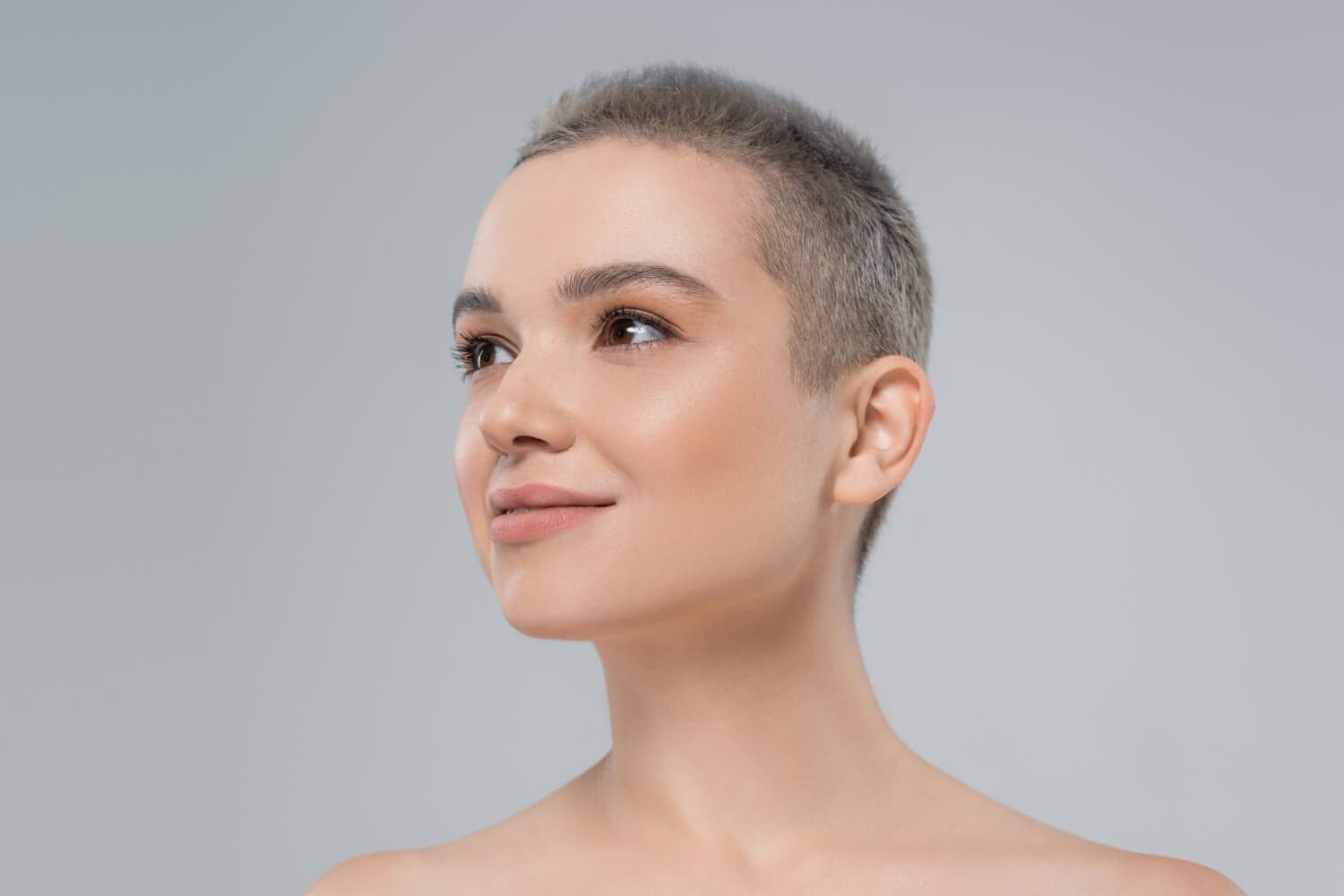
Hårtap er en vanlig bivirkning av kreftbehandlinger, og som de fleste bivirkninger, forsvinner det vanligvis over tid. Nå som du har avsluttet behandlingen, vil håret ditt begynne å vokse igjen. Noen deler av denne prosessen vil være mer eller mindre forventet (du vil ha kort hår i lang tid), og andre kan være litt overraskende (som kjemokrøllene).
For å hjelpe deg gjennom endringene i det kommende året, har vi utarbeidet en kort veiledning for å hjelpe deg med å ta vare på det nye håret ditt:
Ditt første år med hårvekst etter kjemoterapi
Som vi nevnte, er hårtap en vanlig bivirkning av kreftbehandlinger, enten kjemoterapi eller strålebehandling. Dette skjer fordi formålet med kreftbehandlinger er å stoppe spredningen av kreftceller, og en måte å gjøre det på er å stoppe all cellevekst – inkludert vekst i hårfoliklene dine. Dette er grunnen til at så mange mennesker opplever totalt eller delvis hårtap, øyebrynstap og øyenbrynstap under behandlinger.
Bivirkningene av kreftbehandlinger forsvinner ikke så snart du slutter med behandlingen – du vil sannsynligvis oppleve noen bivirkninger en stund, men de vil forsvinne over tid. Og når de er borte, vil hårfoliklene dine våkne opp igjen og endelig begynne å produsere nye hårstrenger. Du kan forvente at hårvekst begynner innen noen måneder etter din siste behandling, og du kan oppleve hårforandringer i opptil ett år etter din siste behandling.
Stadier for hårvekst etter kjemoterapi
Ikke alle vil oppleve håregjenvekst etter kjemoterapi på samme måte, ettersom prosessen avhenger av selve kreftbehandlingen, genetikken din og mange andre variabler. Følgende tidslinje er bare et grovt estimat av når og hva slags hårforandringer du kan forvente:
- Et par uker etter den siste behandlingen, forvent ferskenluddstadiet. Å kalle det hår kan være en overdrivelse på dette stadiet, men det er hårvekst likevel, og det bringer gode nyheter: forandring er i gang! Noen mennesker vil bare nå ferskenluddstadiet rundt to måneder etter behandlingen, så ikke bekymre deg. Tidslinjene kan variere;
- 3 måneder etter den siste behandlingen, vil du begynne å se ny hårvekst – faktisk hårvekst, litt tykkere enn før. Husk at dette nye håret kan være veldig annerledes enn håret du pleide å ha: det kan være tynnere, eller til og med en annen farge. Det er ikke spesielt rart at hår på dette stadiet er hvitt eller grått, eller til og med en eller to nyanser mørkere eller lysere enn originalfargen. Pigmentproduksjonen er ikke på full fart ennå, så bekymre deg ikke for mye over fargeforandringer, da de sannsynligvis vil være midlertidige. Bruk denne tiden til å utforske nye looks og frisyrer, inkludert de pixie-klippene du aldri turte å bære før;
- 6 måneder etter den siste behandlingen, omfavn kjemokrøllene. Vent, hva? Du hadde aldri krøller og nå har du det? Vel, det nye håret ditt kan ha sin egen personlighet på dette området. Å oppleve krøllete hår etter kjemoterapi er en overraskende bivirkning mange mennesker ikke forventer skal skje, men det er super vanlig. Det er også, for det meste, bare en fase;
- 12 måneder etter den siste behandlingen, vil håret ditt begynne å ligne på håret ditt før kjemoterapi. Fargen bør ha stabilisert seg innen nå, så vel som tykkelsen og teksturen.
Hvordan fremme hårvekst etter kjemoterapi
Nå som håret ditt vokser igjen, er det verdt å se nærmere på hva du kan gjøre for å gi en hjelp. Akkurat som det er viktig å ta vare på hodebunnen din, som kan føles litt følsom, er det også viktig å ta vare på det nye håret ditt, som kan være mer skjørt og tynnere enn du er vant til. Du må kanskje tilpasse deg, men disse anbefalingene kan hjelpe:
Beskytt hodebunnen din til enhver tid
Hodebunnen din er huden som håret vokser fra. Hvis den ikke er sunn og beskyttet, vil det være vanskeligere for håret ditt å være sunt. En ting du kan gjøre for å berolige hodebunnen din, er å sove på silke- eller satengputetrekk. Hvis du foretrekker normale putetrekk, kan du vurdere en sovhette eller hette.
Fukt hodebunnen din
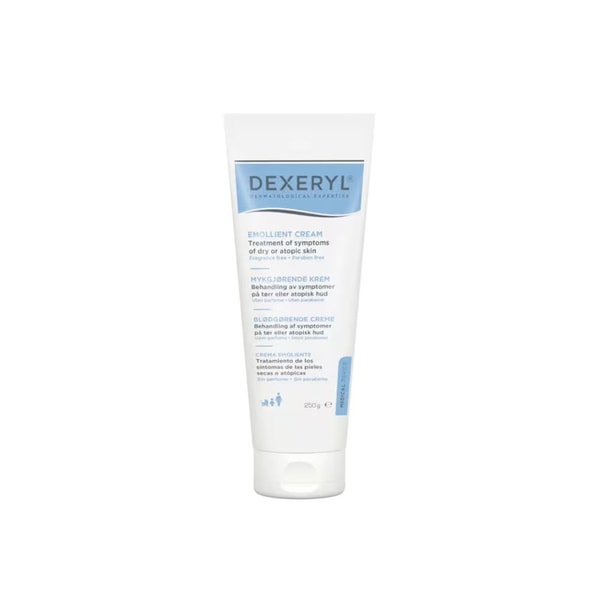
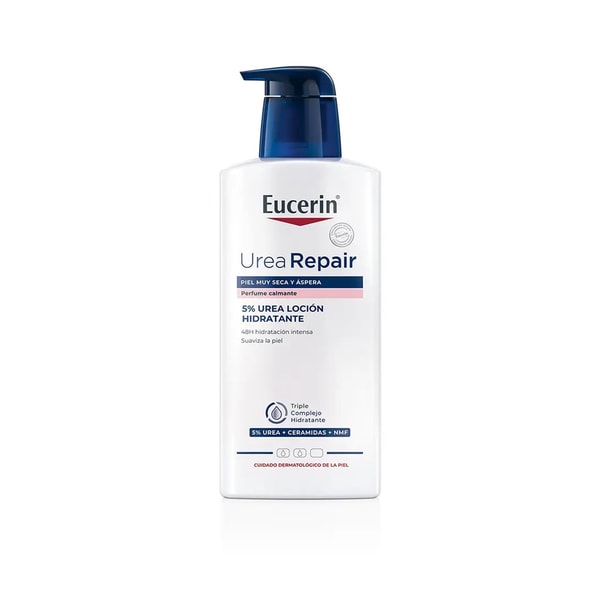
I de første dagene av din håregjenvekstreise, når du ikke har hår eller bare litt ferskenludd, behandler du hodebunnen din som ren hud og fukter den. Velg milde formler som holder huden din beskyttet og som er enkle å bruke.
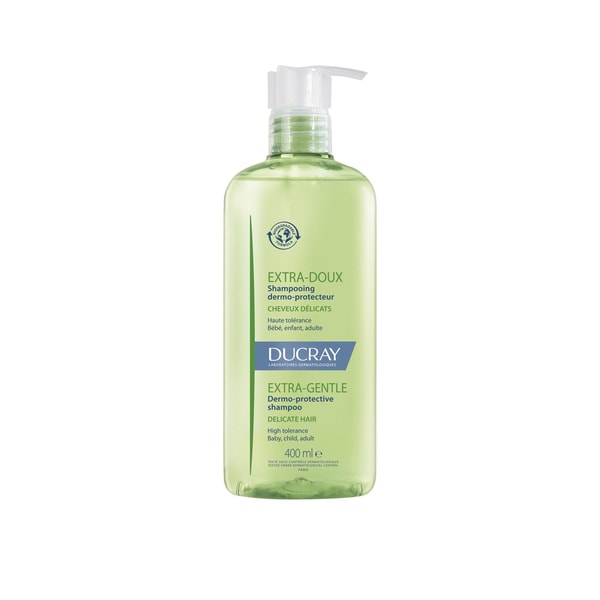
Bruk milde sjampoer
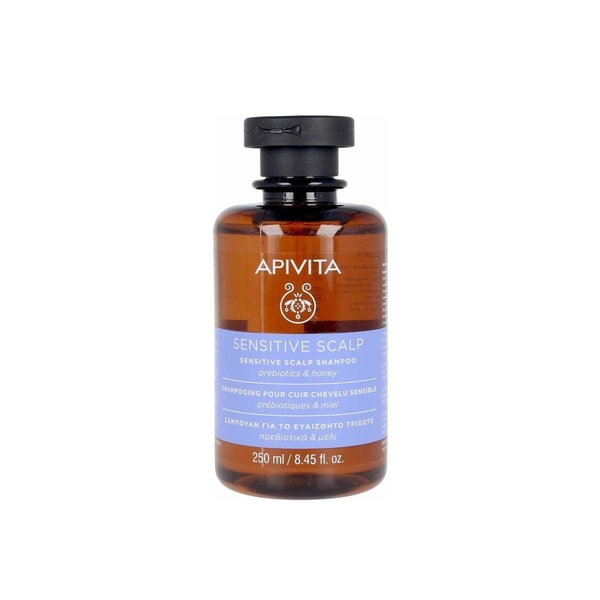
Pas på hodebunnen din ved å massere den forsiktig med et mildt sjampo når du dusjer. Massasjen vil stimulere blodgenomstrømningen, og det milde sjampoen vil holde hodebunnen din ren uten å utløse allergier.
Omfavn det nye håret ditt
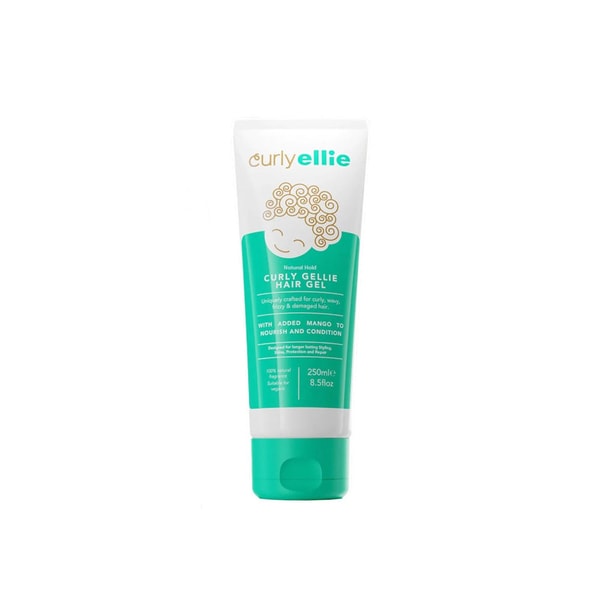
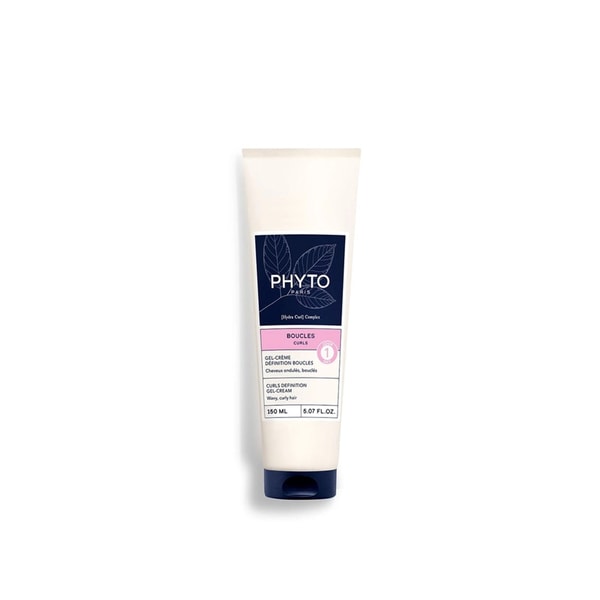
Som vi har sett, er det mulig for håret ditt å få en ny tekstur eller farge når det begynner å vokse igjen etter kreftbehandlinger. Det kan være vanskelig å håndtere disse endringene – hvorfor kan ikke ting bare være normalt? – men de bør bare vare omkring ett år. Omfavn det nye midlertidige håret ditt, og lær deg å style det på nye og morsomme måter, med milde stylingprodukter.
Vurder biotintilskudd
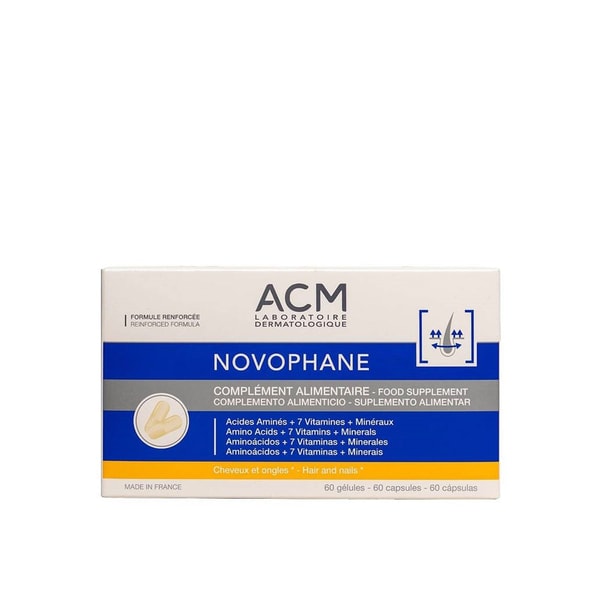
Vi gjør det klart: bevisene som støtter biotintilskudd, er fortsatt veldig tvilsomme. Imidlertid har mange leger opplevd gode resultater i sin praksis og, basert på dette anekdotiske beviset, fortsetter å anbefale biotintilskudd for å støtte hårvekst i perioden etter kjemoterapi. Det kan være verdt å spørre legen din hvordan de føler om disse tilskuddene, og om de kan være nyttige for deg.
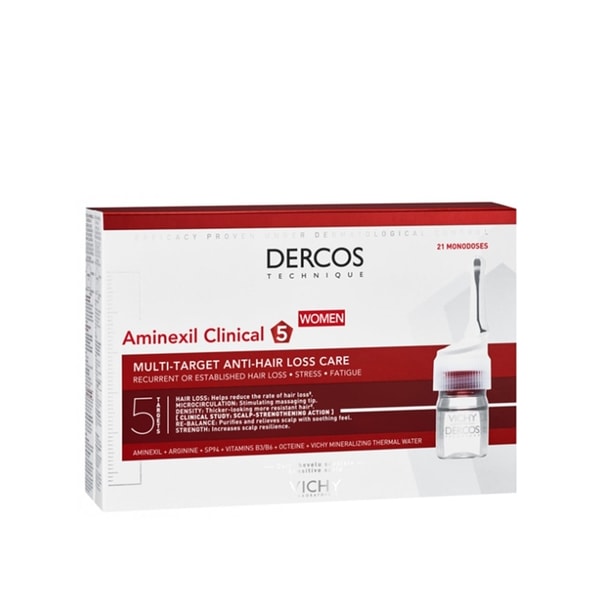
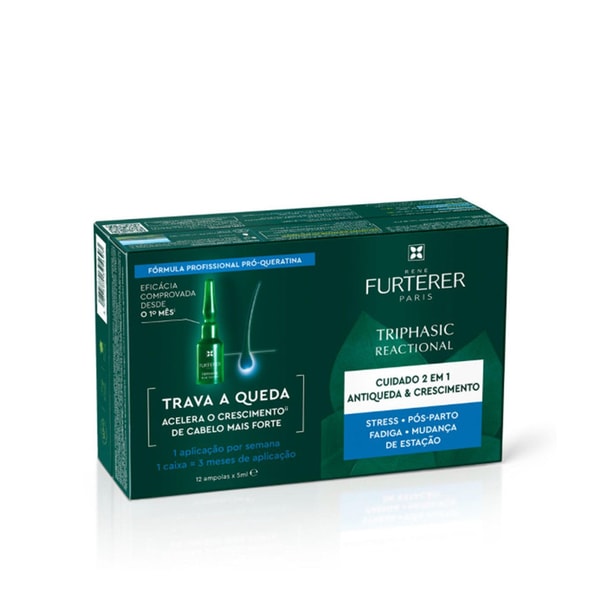
Bruk hodebunnsolje-ampuller
Mellom tilskudd og topikale ampuller for å støtte hårvekst, ser bevisene ut til å favorisere ampuller. Spør legen din om de mener topikale ampuller kan hjelpe til med å ta vare på hodebunnen din og støtte sunn hårvekst etter kreftbehandlingene dine. Hvert tilfelle er ulikt, og legen din vil kunne styre deg i riktig retning.
Hva du bør unngå når du håndterer hår etter kjemoterapi
Nå som du vet hva du kan gjøre for å støtte hårvekst etter kreftbehandlinger, kan det være verdt å se nærmere på hva du bør unngå.
Alt i alt bør alt som er brutalt eller permanent unngås i det første året – tenk på kjemiske behandlinger, hårfarge, og så videre. På hverdagsbasis bør frisyrer som holder håret bakover også unngås, på grunn av risikoen for trekkharavfall.
Her er noen eksempler på behandlinger og stiler som er best å unngå i ditt første år med regjenkomst etter kreftbehandlinger:
- Permanente glattingsbehandlinger eller slukninger;
- Hårpermanenter;
- Hårbleking;
- Permanente eller halvpermanente hårfarger;
- Fletter og extensions.
Det vil være tid til å utforske alle disse behandlingene når håret ditt har vokst tilbake – men for dette første året, er det best å behandle det forsiktig og gi det de beste mulige betingelser til å vokse sunt og sterkt.
Å ta vare på håret ditt – og huden din – etter kreftbehandlinger kan virke litt komplisert, men hvis du holder ting enkelt, vil det være håndterlig. Hvis du har noen tvil, hold deg bare tilonkologi-godkjente kosmetikk i det første året etter behandlingen. Når du begynner å fase deg tilbake til livsstilen din, kan du holde deg til disse utprøvde og testet essensielle produktene (de er så milde som de kan være!), eller begynne å eksperimentere med annen kosmetikk som du finner mer appellerende.