Kupuj na caretobeauty.com — Twój internetowy sklep z kosmetykami



Ten artykuł został automatycznie przetłumaczony z języka angielskiego i może zawierać nieścisłości.
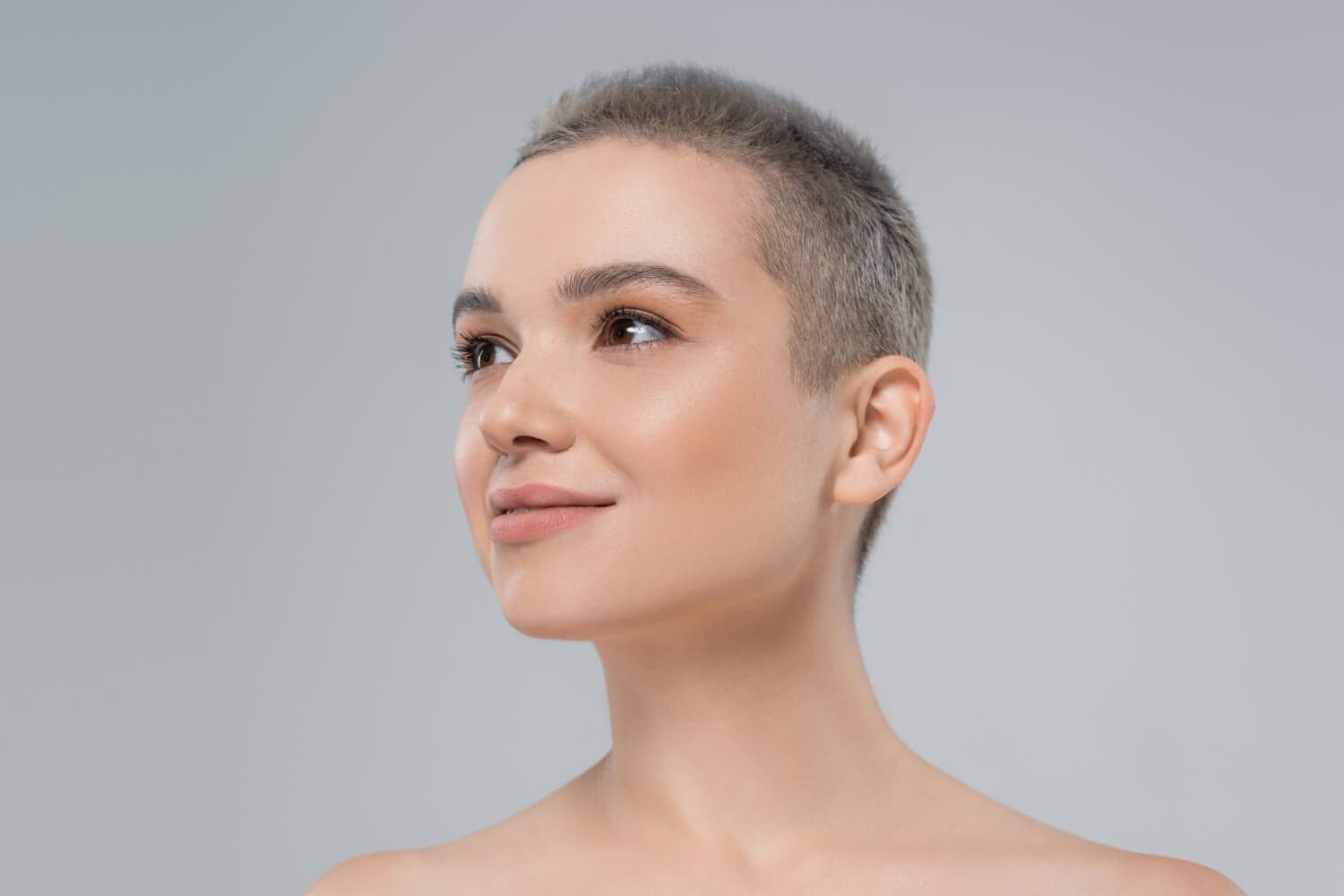
To radosny czas: ukończyłeś ostatnią sesję chemioterapii lub radioterapii i twoje leczenie raka jest oficjalnie skończone. Gratulacje za pokonanie tak wyczerpującego okresu w twoim życiu! Otwórz szampana bezalkoholowego, zgromadź swoich przyjaciół i rodzinę, i ciesz się życiem – czeka cię wiele fajnych rzeczy, a wzrost włosów po chemioterapii będzie z pewnością jedną z nich.
Upadek włosów jest powszechnym efektem ubocznym leczenia raka, i jak większość efektów ubocznych, zwykle znika z czasem. Teraz, gdy ukończyłeś leczenie, twoje włosy zaczną rosnąć ponownie. Niektóre części tego procesu będą mniej więcej oczekiwane (przez długi czas będziesz miał krótkie włosy), a inne mogą być nieco zaskakujące (jak kędzierzawe włosy po chemioterapii).
Aby pomóc ci przejść przez zmiany w nadchodzącym roku, przygotowaliśmy krótki przewodnik, który pomoże ci dbać o twoje nowe włosy:
Twój pierwszy rok wzrostu włosów po chemioterapii
Jak już wspomnieliśmy, upadek włosów jest powszechnym efektem ubocznym leczenia raka, niezależnie od tego, czy to chemioterapia czy radioterapia. Dzieje się tak dlatego, że ideą leczenia raka jest zatrzymanie rozprzestrzeniania się komórek nowotworowych, a jednym ze sposobów na to jest zatrzymanie całego wzrostu komórek – łącznie ze wzrostem w folikułach włosów. Dlatego właśnie tak wiele osób doświadcza całkowitej lub częściowej utraty włosów, rzęs i brwi podczas leczenia.
Efekty uboczne leczenia raka nie znikają zaraz po zakończeniu leczenia – będziesz prawdopodobnie doświadczać kilku efektów ubocznych przez pewien czas, ale znikną one z upływem czasu. A wraz z nimi, twoje folikuły włosów zostaną ponownie wzbudzone i wreszcie zaczną produkować nowe włosy. Możesz oczekiwać, że wzrost włosów zacznie się w ciągu kilku miesięcy po ostatnim leczeniu, a zmiany włosów mogą trwać do roku po ostatnim leczeniu.
Etapy wzrostu włosów po chemioterapii
Nie wszyscy doświadczą odrośnięcia włosów po chemioterapii w ten sam sposób, ponieważ proces zależy od samego leczenia raka, twoich genów i wielu innych zmiennych. Poniższy harmonogram to jedynie przybliżony szacunek, kiedy i jakie zmiany włosów możesz oczekiwać:
- Kilka tygodni po ostatnim leczeniu, oczekuj etapu puszku brzoskwiniowego. Nazwanie tego włosami może być przesadą w tym punkcie, ale to jednak wzrost włosów i niesie ze sobą świetną wiadomość: zmiana się rozpoczęła! Niektórzy ludzie dotrą do etapu puszku brzoskwiniowego dopiero około dwóch miesięcy po leczeniu, więc nie martw się. Harmonogramy mogą się różnić;
- 3 miesiące po ostatnim leczeniu, zaczniesz widać nowy wzrost włosów – faktyczny wzrost włosów, nieco grubszy niż wcześniej. Pamiętaj, że te nowe włosy mogą być bardzo różne od włosów, które miałeś: mogą być cieńsze, a nawet innego koloru. Nie jest szczególnie dziwne, że włosy na tym etapie mogą być białe lub szare, a nawet odcień lub dwa ciemniejsze lub jaśniejsze niż oryginalny kolor. Produkcja pigmentu nie jest jeszcze na pełnych obrotach, więc nie martw się zbyt wiele zmianami koloru, ponieważ będą one prawdopodobnie tymczasowe. Wykorzystaj ten czas na odkrywanie nowych stylów i fryzur, w tym tych pixie cutów, których nigdy nie odważyłeś się nosić;
- 6 miesięcy po ostatnim leczeniu, zaakceptuj kędzierzawe włosy po chemioterapii. Czekaj, co? Nigdy nie miałeś kędzierów, a teraz je masz? Cóż, twoje nowe włosy mogą mieć na tym polu własną osobowość. Doświadczenie kędzierzawych włosów po chemioterapii to zaskakujący efekt uboczny, którego wiele osób się nie spodziewa, ale jest to super powszechne. To też, głównie, tylko faza;
- 12 miesięcy po ostatnim leczeniu, twoje włosy zaczną przypominać twoje włosy sprzed chemioterapii. Kolor powinien się ustabilizować, podobnie jak grubość i tekstura.
Jak promować wzrost włosów po chemioterapii
Teraz, gdy twoje włosy znowu rosną, warto zbadać, co możesz zrobić, aby udzielić pomocnej dłoni. Tak ważne, jak dbanie o swoją skórę głowy, która może się czuć trochę wrażliwa, jest również ważne dbanie o swoje nowe włosy, które mogą być bardziej kruche i cieńsze niż zwykle. Możliwe, że będziesz musiał się dostosować, ale te rekomendacje mogą pomóc:
Chroń swoją skórę głowy zawsze
Twoja skóra głowy to skóra, z której rosną włosy. Jeśli nie jest zdrowa i chroniona, będzie trudniej, aby twoje włosy były zdrowe. Jedną rzeczą, którą możesz zrobić, aby uspokoić twoją skórę głowy, jest spanie na jedwabnych lub atłasowych poszewkach. Jeśli wolisz normalne poszewki, możesz rozważyć założenie nocnego czepka lub czapki.
Nawilż swoją skórę głowy
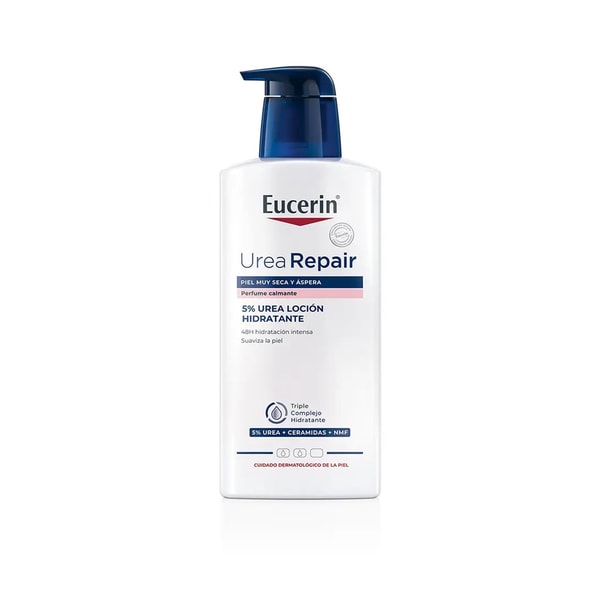
W wczesnych dniach twojej podróży odrośnięcia włosów, gdy nie masz włosów lub tylko odrobinę puszku brzoskwiniowego, traktuj swoją skórę głowy jako czystą skórę i ją nawilż. Wybierz łagodne formuły, które chronią twoją skórę i są łatwe w użyciu.

Używaj łagodnych szamponów
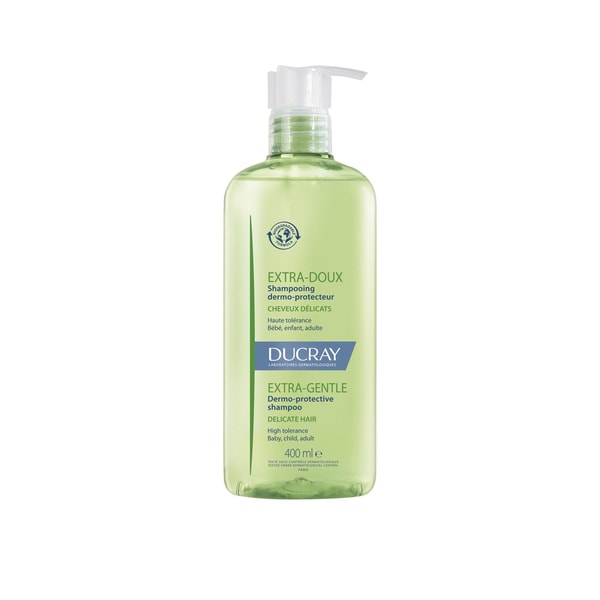
Dbaj o swoją skórę głowy, delikatnie ją masując łagodnym szamponem podczas prysznica. Masaż będzie stymulować przepływ krwi, a łagodny szampon utrzyma twoją skórę głowy czystą bez wywoływania alergii.

Zaakceptuj swoje nowe włosy
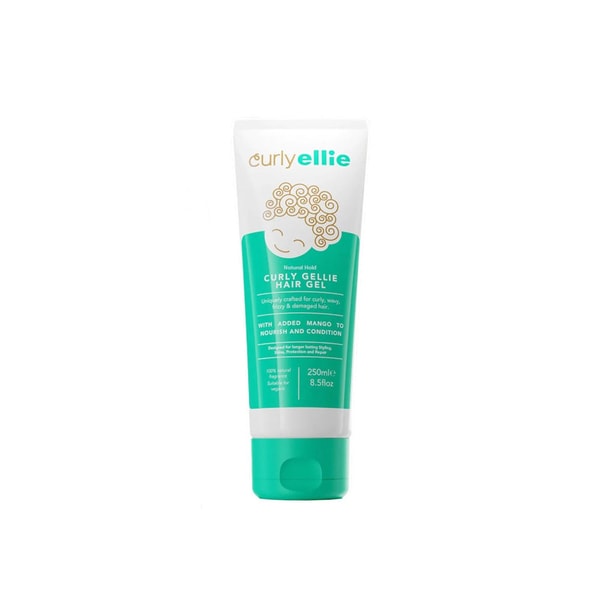
Jak widzieliśmy, możliwe jest, że twoje włosy nabiorą nowej tekstury lub koloru, gdy zaczną rosnąć po leczeniu raka. Może być trudno radzić sobie z tymi zmianami – dlaczego rzeczy nie mogą być po prostu normalne? – ale powinny trwać tylko około roku. Zaakceptuj swoje nowe tymczasowe włosy i naucz się je stylizować na nowe i fajne sposoby, korzystając z łagodnych produktów do stylizacji.
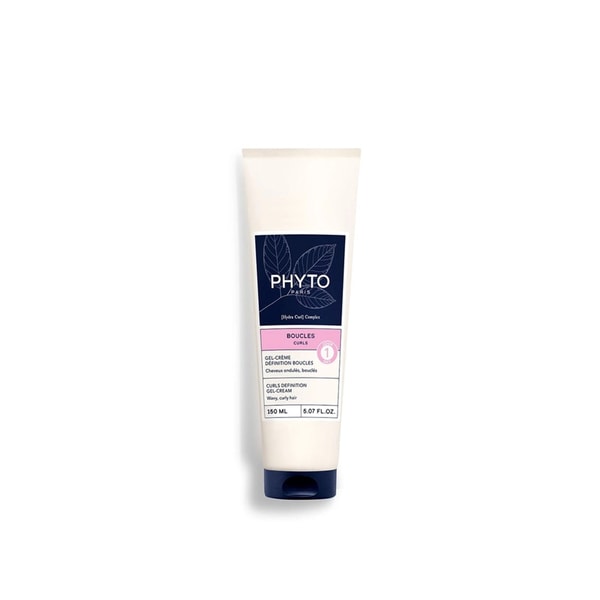
Rozważ suplementy biotyny
Wyjaśnimy to jasno: dowody wspierające suplementy biotyny są wciąż bardzo wątpliwe. Jednak wielu lekarzy doświadczyło dobrych wyników w swojej praktyce i, na podstawie tych anegdotycznych dowodów, nadal rekomendują suplementy biotyny, aby wspierać wzrost włosów w okresie po chemioterapii. Warto zapytać swojego lekarza, jak się ma do tych suplementów i czy mogą być dla ciebie przydatne.
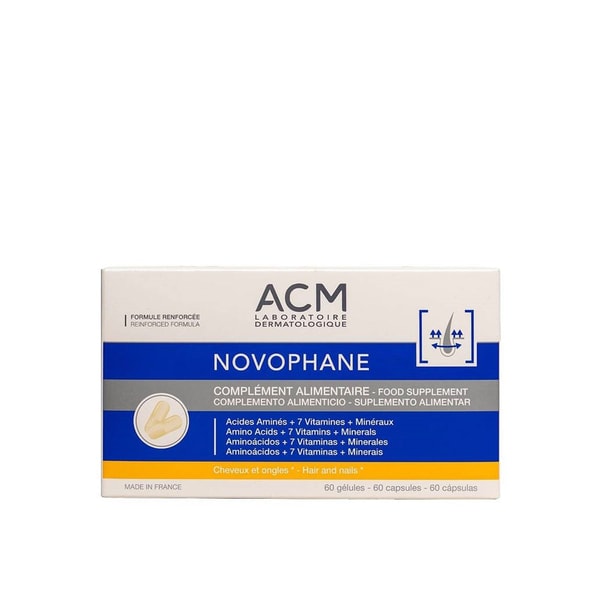
Używaj ampułek do pielęgnacji skóry głowy
Pomiędzy suplementami a lokalnymi ampułkami wspierającymi wzrost włosów, dowody wydają się faworyzować ampułki. Zapytaj swojego lekarza, czy uważa, że topowe ampułki mogą pomóc w pielęgnacji skóry głowy i wspierać zdrowś wzrost włosów po leczeniu raka. Każdy przypadek jest inny, a twój lekarz będzie w stanie cię kierować we właściwym kierunku.
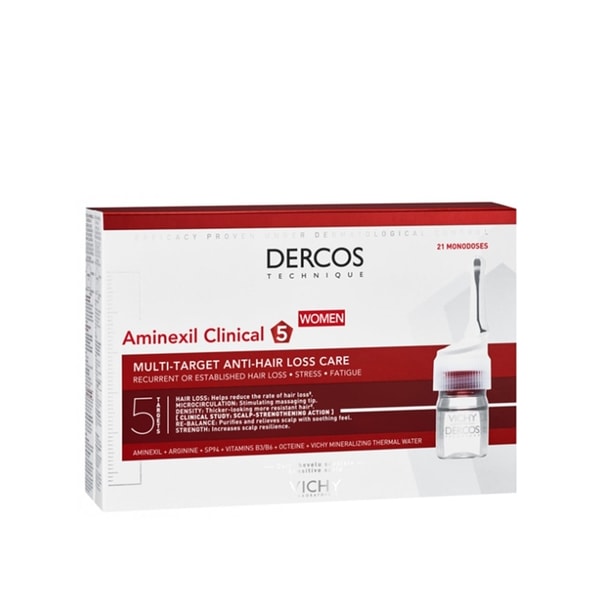
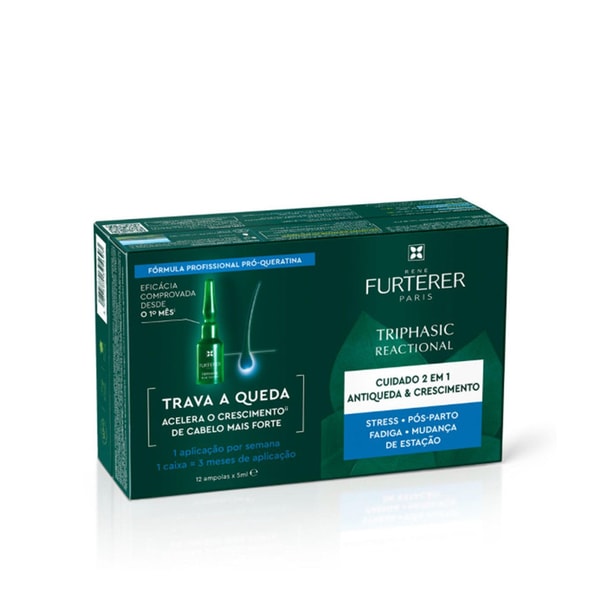
Czego unikać przy postępowaniu z włosami po chemioterapii
Teraz, gdy wiesz, co możesz zrobić, aby wspierać wzrost włosów po leczeniu raka, warto sprawdzić, czego powinieneś unikać.
Biorąc wszystko pod uwagę, wszystko, co jest ostre lub stałe, powinno być unikane w pierwszym roku – pomyśl o chemicznych zabiegach, farbowaniu włosów i tak dalej. Na bardziej codziennej podstawie, fryzury, które trzymają włosy zaciśnięte, powinny również być unikane z powodu ryzyka utraty włosów z trakcji.
Oto kilka przykładów zabiegów i stylów, które najlepiej unikać w twoim pierwszym roku odrośnięcia po leczeniu raka:
- Stałe zabiegi prostowania lub relaxery;
- Trwała ondulacja włosów;
- Rozjaśnianie włosów;
- Stałe lub półstałe farby do włosów;
- Warkocze i przedłużenia.
Będzie czas na zbadanie wszystkich tych zabiegów, gdy twoje włosy odrosnąć – ale w tym pierwszym roku najlepiej jest traktować je delikatnie i dać im najlepsze możliwe warunki do wzrostu zdrowego i silnego.
Dbanie o swoje włosy – i skórę – po leczeniu raka może wydawać się trochę skomplikowane, ale jeśli będziesz trzymać rzeczy proste, będzie to możliwe do zarządzania. Jeśli masz jakiekolwiek wątpliwości, po prostu trzymaj się kosmetyków zatwierdzonych przez onkologię w pierwszym roku po leczeniu. Gdy zaczniesz wracać do swojego stylu życia, możesz trzymać się tych wypróbowanych i sprawdzonych niezbędników (są takie łagodne, jak tylko można!), lub zaczniesz eksperymentować z innymi kosmetykami, które ci się bardziej podobają.