Compre em caretobeauty.com — Sua loja de beleza online



Este artigo foi traduzido automaticamente do inglês e pode conter imprecisões.
Este é um momento alegre: você fez sua última sessão de quimioterapia ou radioterapia e seu tratamento do câncer oficialmente terminou. Parabéns por superar um período tão extenuante em sua vida! Abra o champanhe sem álcool, reúna seus amigos e família, e aproveite sua vida--você tem muito a esperar, e o crescimento de cabelo após quimioterapia é provável ser uma dessas coisas.
A queda de cabelo é um efeito colateral comum dos tratamentos do câncer, e como a maioria dos efeitos colaterais, geralmente desaparece com o tempo. Agora que você terminou o tratamento, seu cabelo começará a crescer novamente. Algumas partes deste processo serão mais ou menos esperadas (você terá cabelo curto por um longo tempo), e outras podem ser um pouco surpreendentes (como os cachos da quimioterapia).
Para ajudá-lo através das mudanças deste próximo ano, preparamos um pequeno guia para ajudá-lo a cuidar do seu cabelo novo:
Seu primeiro ano de crescimento de cabelo após quimioterapia
Como mencionamos, a queda de cabelo é um efeito colateral comum dos tratamentos do câncer, seja quimioterapia ou radioterapia. Isso acontece porque o objetivo dos tratamentos do câncer é parar a disseminação de células cancerosas, e uma maneira de fazer isso é parar todo crescimento celular--incluindo o crescimento em seus folículos capilares. É por isso que muitas pessoas experimentam perda total ou parcial de cabelo, cílios e sobrancelhas durante os tratamentos.
Os efeitos colaterais dos tratamentos do câncer não desaparecem assim que você para o tratamento--você provavelmente experimentará alguns efeitos colaterais por um tempo, mas eles desaparecerão com o tempo. E com eles desaparecidos, seus folículos capilares serão despertados e finalmente começarão a produzir novos fios de cabelo. Você pode esperar que o crescimento de cabelo comece alguns meses após seu último tratamento, e você pode experimentar mudanças de cabelo até um ano após seu último tratamento.
Estágios do crescimento de cabelo após quimioterapia
Nem todos experimentarão o recrescimento de cabelo após quimioterapia da mesma maneira, pois o processo depende do próprio tratamento do câncer, sua genética e muitas outras variáveis. A linha do tempo a seguir é simplesmente uma estimativa aproximada de quando e que mudanças de cabelo você pode esperar:
- Algumas semanas após o último tratamento, espere o estágio de penugem. Chamá-lo de cabelo pode ser uma exageração neste ponto, mas é crescimento de cabelo ainda assim, e traz ótimas notícias: a mudança está em andamento! Algumas pessoas só chegarão ao estágio de penugem cerca de dois meses após o tratamento, então não se preocupe. Os cronogramas podem variar;
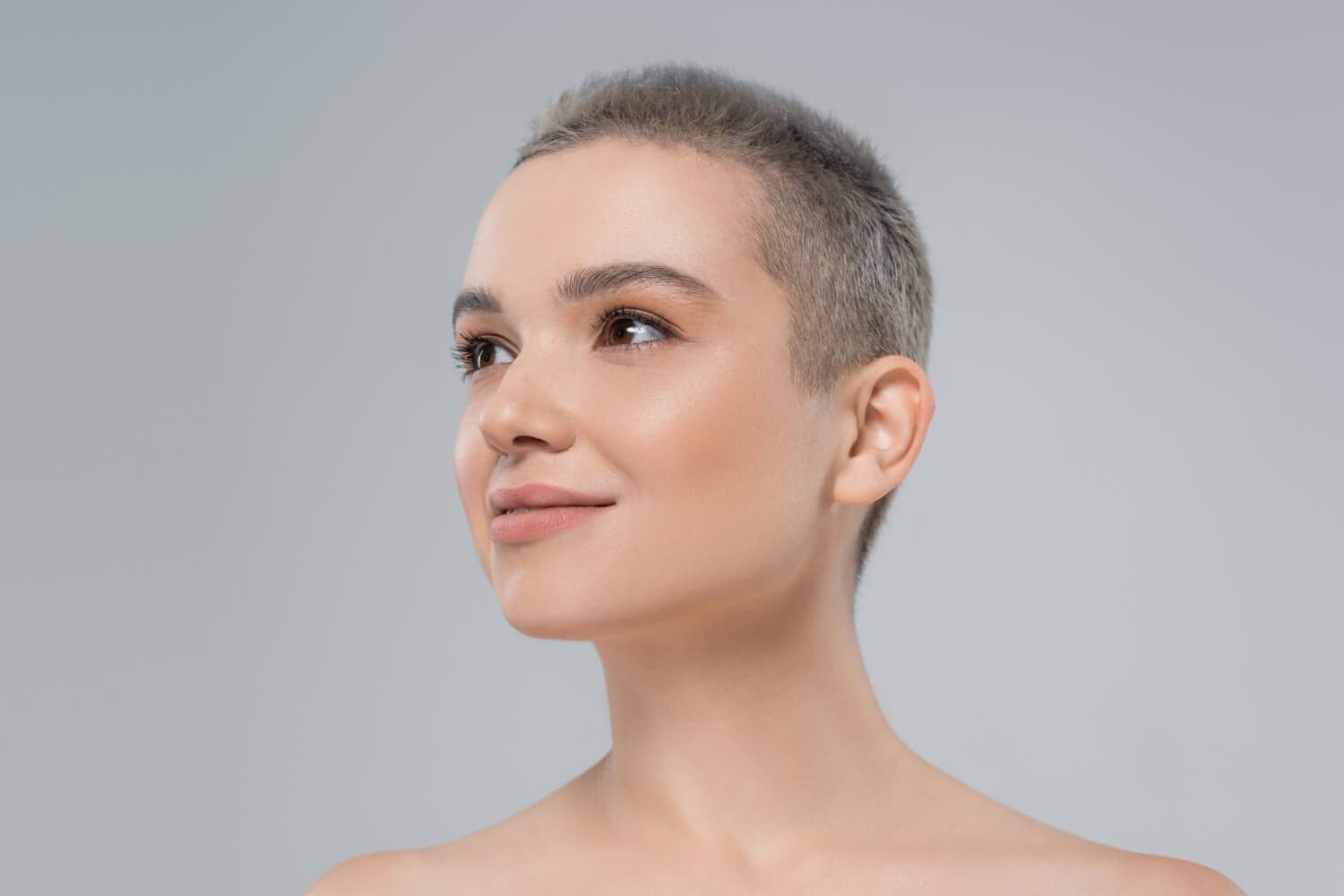
- 3 meses após o último tratamento, você começará a ver novo crescimento de cabelo--crescimento de cabelo real, um pouco mais espesso do que antes. Tenha em mente que este cabelo novo pode ser muito diferente do cabelo que você costumava ter: pode ser mais fino, ou até mesmo de uma cor diferente. Não é particularmente estranho para cabelo neste estágio ser branco ou grisalho, ou até mesmo um ou dois tons mais escuros ou mais claros do que a cor original. A produção de pigmento ainda não está em velocidade total, então não se preocupe muito com mudanças de cor, pois provavelmente serão temporárias. Aproveite este tempo para explorar novos visuais e penteados, incluindo aqueles cortes pixie que você nunca ousou usar antes;
- 6 meses após o último tratamento, abrace os cachos da quimioterapia. Espera, o quê? Você nunca teve cachos e agora tem? Bem, seu cabelo novo pode ter uma personalidade própria nesta área. Experimentar cabelo ondulado após quimioterapia é um efeito colateral surpreendente que muitas pessoas não esperam que aconteça, mas é super comum. É também, principalmente, apenas uma fase;
- 12 meses após o último tratamento, seu cabelo começará a se parecer com seu cabelo pré-quimioterapia. A cor deveria ter se estabilizado até agora, bem como a espessura e a textura.
Como promover o crescimento de cabelo após quimioterapia
Agora que seu cabelo está crescendo novamente, vale a pena pesquisar o que você pode fazer para ajudar. Assim como é importante cuidar do seu couro cabeludo, que pode estar se sentindo um pouco sensível, também é importante cuidar do seu cabelo novo, que pode ser mais frágil e mais fino do que você está acostumado. Você pode ter que se adaptar, mas estas recomendações podem ajudar:
Proteja seu couro cabeludo o tempo todo
Seu couro cabeludo é a pele da qual crescem os cabelos. Se não estiver saudável e protegido, será mais difícil para seu cabelo estar saudável. Uma coisa que você pode fazer para acalmar seu couro cabeludo é dormir em fronhas de seda ou cetim. Se você preferir fronhas normais, você pode querer considerar um touca ou boné de dormir.
Hidrate seu couro cabeludo
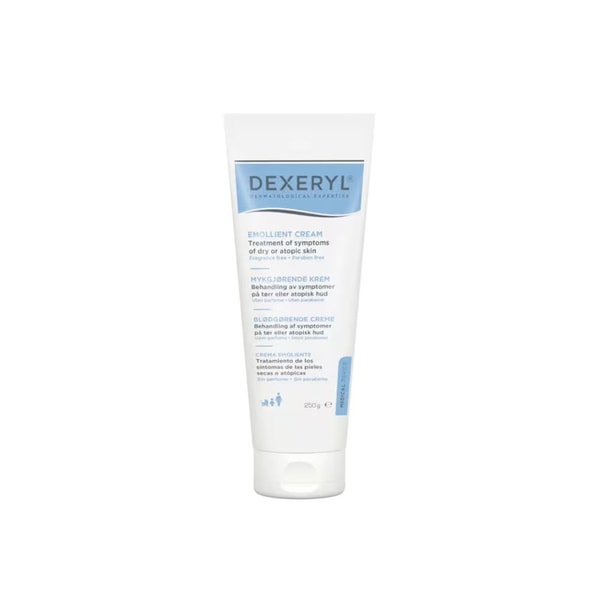
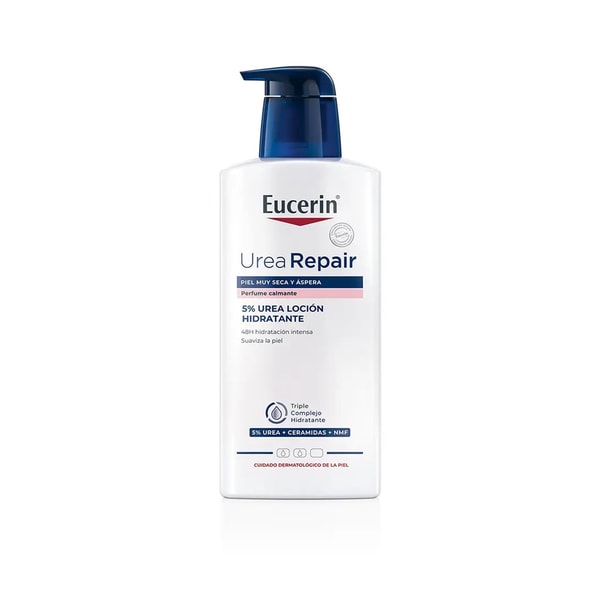
Nos primeiros dias de sua jornada de recrescimento de cabelo, quando você não tem cabelo ou apenas um pouco de penugem, trate seu couro cabeludo como pele pura e hidrate. Escolha fórmulas suaves que protejam sua pele e sejam fáceis de usar.
Use xampus suaves
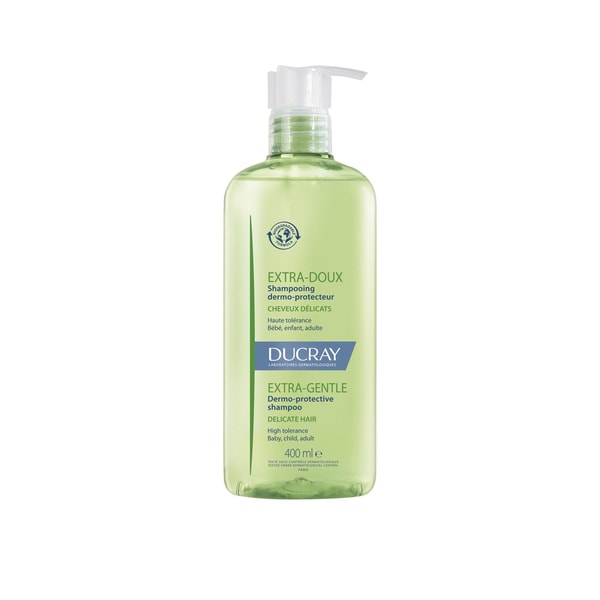
Cuide de seu couro cabeludo massageando-o suavemente com um xampus suave ao tomar banho. A massagem estimulará o fluxo sanguíneo, e o xampus suave manterá seu couro cabeludo limpo sem desencadear alergias.

Abrace seu cabelo novo
Como vimos, é possível que seu cabelo adquira uma nova textura ou cor conforme começa a recrescer após tratamentos do câncer. Pode ser difícil lidar com estas mudanças--por que as coisas não podem ser normais?--, mas elas devem durar apenas cerca de um ano. Abrace seu cabelo novo temporário, e aprenda a estilizá-lo de formas novas e divertidas, usando produtos de styling suaves.
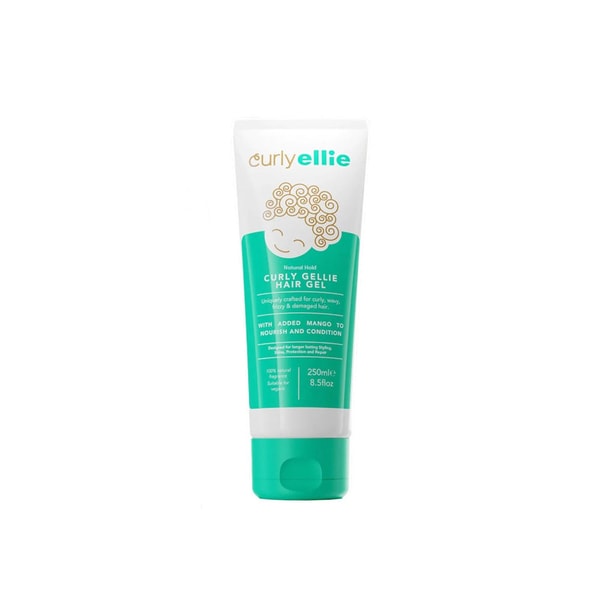
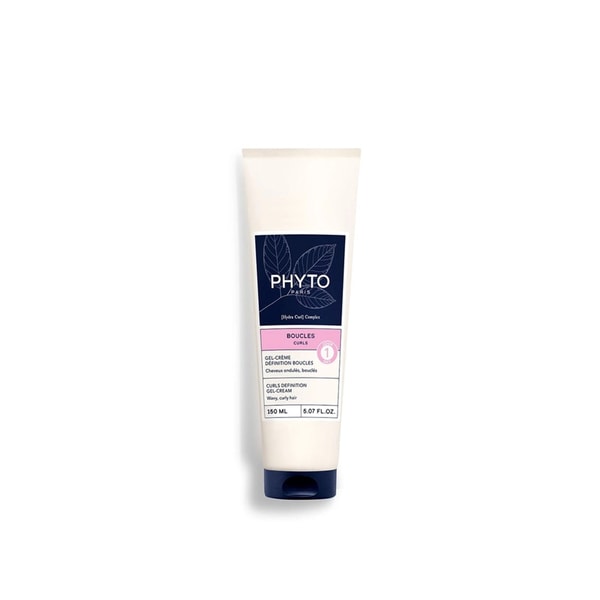
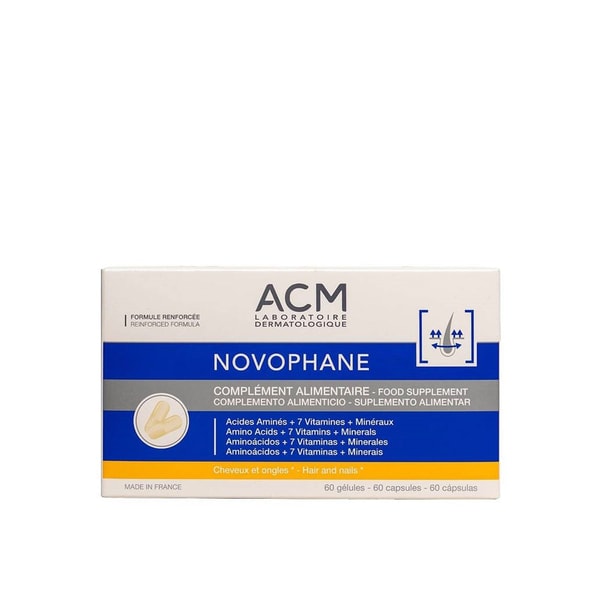
Considere suplementos de biotina
Deixaremos claro: as evidências que apoiam suplementos de biotina ainda são muito duvidosas. No entanto, muitos médicos experimentaram bons resultados em sua prática e, com base nesta evidência anedótica, continuam a recomendar suplementos de biotina para apoiar o crescimento de cabelo durante o período pós-quimioterapia. Pode valer a pena perguntar ao seu médico como ele se sente sobre esses suplementos, e se podem ser úteis para você.
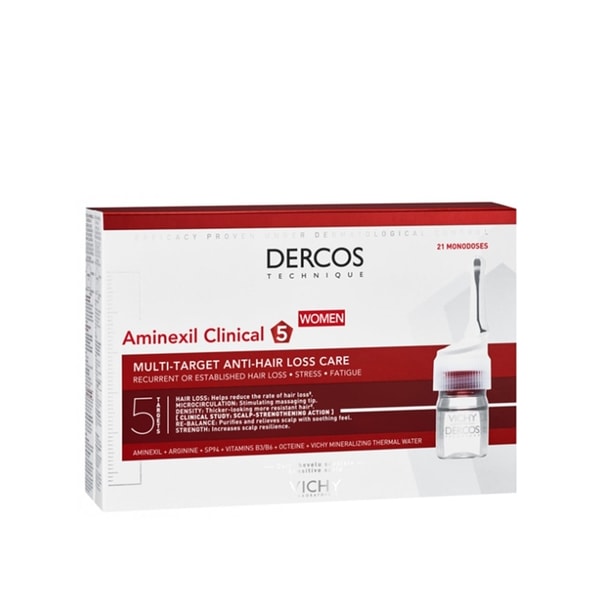
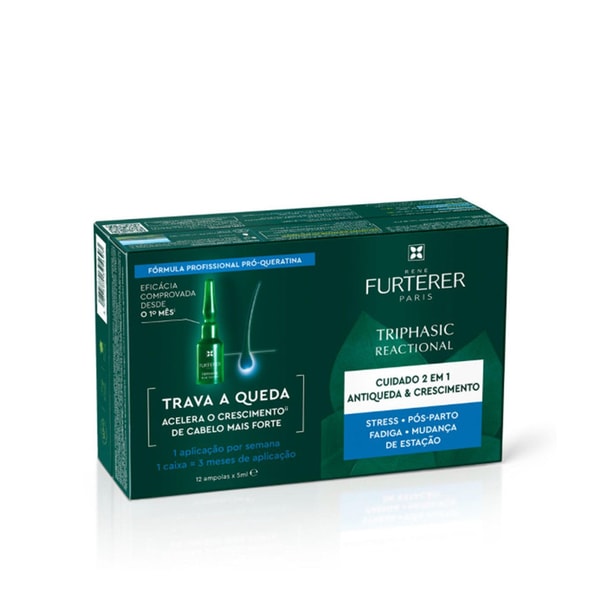
Use ampolas de cuidado do couro cabeludo
Entre suplementos e ampolas tópicas para apoiar o crescimento de cabelo, as evidências parecem favorecer ampolas. Pergunte ao seu médico se ele acredita que ampolas tópicas podem ajudar a cuidar do seu couro cabeludo e apoiar o crescimento saudável de cabelo após seus tratamentos do câncer. Cada caso é diferente, e seu médico será capaz de guiá-lo na direção correta.
O que evitar ao lidar com cabelo pós-quimioterapia
Agora que você sabe o que pode fazer para apoiar o crescimento de cabelo após tratamentos do câncer, pode valer a pena pesquisar o que você deve evitar.
Tudo considerado, qualquer coisa que seja áspera ou permanente deve ser evitada no primeiro ano--pense em tratamentos químicos, coloração de cabelo, e assim por diante. De forma mais cotidiana, penteados que mantêm o cabelo puxado para trás também devem ser evitados, devido ao risco de alopecia de tração.
Aqui estão alguns exemplos de tratamentos e estilos que é melhor evitar durante seu primeiro ano de recrescimento após tratamentos do câncer:
- Tratamentos de alisamento permanente ou relaxantes;
- Permanente;
- Descoloração de cabelo;
- Tinturas de cabelo permanentes ou semi-permanentes;
- Tranças e extensões.
Haverá tempo para explorar todos esses tratamentos uma vez que seu cabelo tenha recrescido--mas durante este primeiro ano, é melhor tratá-lo suavemente e dar as melhores condições possíveis para crescer saudável e forte.
Cuidar do seu cabelo--e pele--após tratamentos do câncer pode parecer um pouco complicado, mas se você manter as coisas simples, será gerenciável. Se você tiver alguma dúvida, apenas mantenha-se comcosméticos aprovados pela oncologia no primeiro ano pós-tratamento. Conforme você começar a facilitar seu retorno ao seu estilo de vida, você pode manter-se com esses essenciais testados e comprovados (eles são tão suaves quanto possível!), ou começar a experimentar com outros cosméticos que você achar mais atraentes.