Cumpără de pe caretobeauty.com — Magazinul tău online de frumusețe



Acest articol a fost tradus automat din limba engleză și poate conține inexactități.
Toți știm ce este pielea sensibilă, dar chiar știm? Sensibilitatea pielii poate avea mai multe nuanțe decât crezi. Astazi, vom defini ce este pielea sensibilă—cu o definiție adecvată oferită amabil de știință—și vom răspunde la toate întrebările ulterioare pe care le-ai putea avea despre ea. Alătură-te nouă pentru a explora toate straturile în sensibilitatea pielii!
Pe această postare:
- Ce este pielea sensibilă?
- Care este cauza rădăcinii pielii sensibile?
- Ce declanșează pielea sensibilă?
- Cum știu dacă am pielea sensibilă?
- Pielea sensibilă este întotdeauna uscată?
- Cât de rară este pielea sensibilă?
- Ce poate fi de fapt pielea sensibilă?
- Care este diferența dintre pielea sensibilă și pielea sensibilizată?
- Ce să folosești pentru pielea sensibilă?
Ce este pielea sensibilă?
Conștienți de dificultatea de a veni cu o definiție adecvată, o echipă interdisciplinară s-a concentrat pe crearea unei definiții științific precise care să facă dreptate a ceea ce cei cu pielea sensibilă percep și experimentează. Ca rezultat, ei au definit pielea sensibilă ca „un sindrom definit de apariția senzațiilor neplăcute (înțepătură, ardere, durere, prurit și senzații de furnicături) în răspuns la stimuli care în mod normal nu ar trebui să provoace astfel de senzații. Aceste senzații neplăcute nu pot fi explicate prin leziuni atribuibile vreunei boli a pielii. Pielea poate părea normală sau fi însoțită de eritem. Pielea sensibilă poate afecta toate locurile corpului, în special fața".
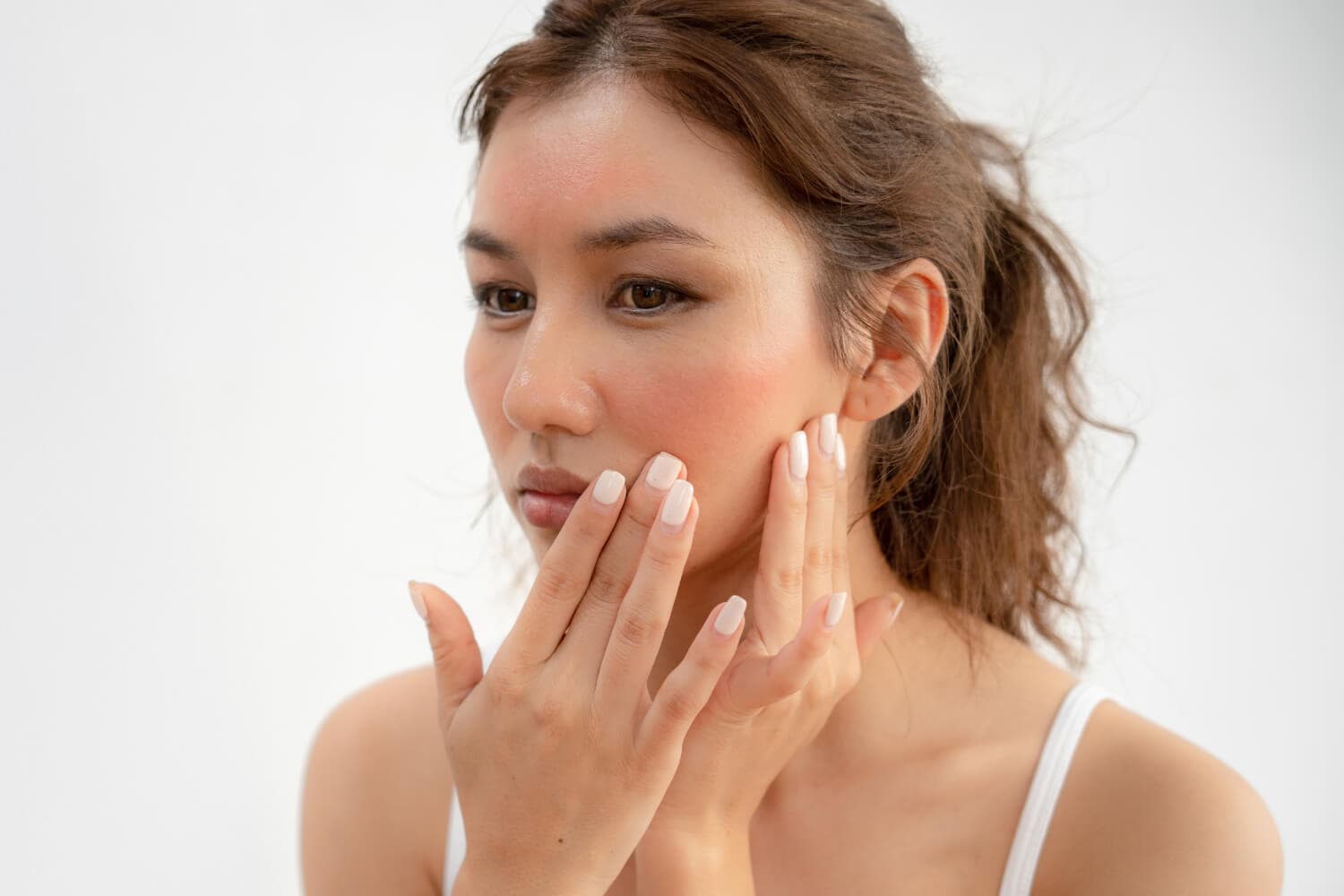
Luând în considerare această definiție, putem spune că pielea sensibilă este un termen larg care descrie pielea care tinde să prezinte semne de iritație atunci când intră în contact cu agresiuni externe. Mai mult decât o diagnostic medical, ea descrie pielea care este predispusă la roșață, mâncărime, tensiune și înțepătură (pentru a numi doar câteva dintre semnele sensibilității). Aceste simptome pot afecta pielea feței și/sau corpului.
Ar trebui să ții cont, totuși, că aceste simptome pot apărea și ca răspuns la un anumit eveniment extern sau intern. Considerând variabile cum ar fi frecvența simptomelor, cât timp rămân, cât de grav te afectează, și ce le-a declanșat, un dermatolog poate să te ajute să determini dacă ai pielea sensibilă sau dacă există alt motiv care explică mai bine simptomele.
Care este cauza rădăcinii pielii sensibile?
Nu se știe exact de ce apare sensibilitatea pielii, dar există câteva teorii cu suficientă relevanță pentru a fi discutate. "Mai multe studii au sugerat o legătură între pielea sensibilă și o perturbare a funcției barierei epidermice, rezultând în percepția disconfortului pielii", dar nu e doar atât. O lucrare publicată în Jurnalul Academiei Europene de Dermatologie și Venerologie adaugă că pielea sensibilă poate rezulta și din alți factori cutanați—cum ar fi predispoziția atopică și sistemul nervos senzorial—, factori endogeni, cum ar fi schimbările hormonale, sau chiar factori legați de stilul de viață sau mediu. Acești factori pot fi nu doar cauza rădăcinii, ci pot și menține sensibilitatea pielii. Imaginea de mai jos, din același studiu, ilustrează aceste influențe pentru o mai bună înțelegere.

Ce declanșează pielea sensibilă?
Sensibilitatea poate răspunde la declanșatori cum ar fi condițiile meteo extreme, vânt, mâncare picantă, alcool și fricțiune, pentru a numi doar câțiva. Interesant, oamenii de știință au găsit mici diferențe etnice în modul în care pielea reacționează la acești declanșatori: conform unui studiu, "Afro-americanii au reacționat mai puțin la declanșatori de mediu și alcool; hispanicii au reacționat mai puțin la alcool; asiaticii au reacționat mai mult la vânt, condimente și alcool; și euro-americanii au reacționat mai mult la vânt." Indiferent de originile tale, asigură-te că înțelegi ce îți declanșează sensibilitatea pentru a evita simptome nedorite.
Cum știu dacă am pielea sensibilă?
Dacă ai pielea sensibilă, vei observa că pielea ta nu va fi timidă în a te anunța. Semnele pot include roșață, uscăciune sau tensiune, arsuri solare ușoare, sau o oarecare reactivitate atunci când intri în contact cu cosmetice, vreme foarte fierbinte sau rece, vânt, sau viață în general.
Partea grea este să înțelegi dacă ai pielea sensibilă sau, mai mult decât atât, o condiție medicală a pielii care ar putea necesita grijă suplimentară. Cursul de acțiune cel mai sigur este să consulți un profesionist din domeniul sănătății. Cu o înțelegere adecvată a problemelor și nevoilor specifice ale pielii tale, vei putea alege cea mai bună grijă, evitând în același timp opțiunile de stil de viață sau produse care agravează condițiile tale subiacente.
Pielea sensibilă este întotdeauna uscată?
Sensibilitatea se țintește asupra tuturor tonurilor și tipurilor de piele, și s-ar putea să ai pielea sensibilă și uleioasă. Cu toate acestea, nu este neobișnuit ca cineva cu pielea sensibilă—chiar și cei cu pielea uleioasă—să descrie pielea ca fiind uscată. Poate părea confuz, dar totul se leagă: indiferent de tipul de piele, pielea sensibilă tinde să aibă o barieră a pielii compromise, ducând la o pierdere transepidermală de apă ridicată. Pur și simplu spus, sensibilitatea te împinge frecvent în abisul pielii deshidratate—și senzația de a avea pielea deshidratată poate fi confundată cu uscăciunea.
Cât de rară este pielea sensibilă?
Nu găsim un acord când vine vorba de procente, dar e sigur de spus că pielea sensibilă nu este o condiție rară. Unele lucrări sugerează că populația cu pielea sensibilă este aproape de 40%, în timp ce altele au constatat că până la 68,4% dintre oameni se auto-raportează ca având pielea sensibilă. Oricum, e sigur de spus că pielea sensibilă este o problemă comună a pielii, care afectează toți, indiferent de sex, vârstă, tip de piele sau tonul pielii.
Ce poate fi de fapt pielea sensibilă?
Pielea sensibilă este mai degrabă un termen laic decât un diagnostic medical. Este în general folosit pentru a descrie pielea cu toleranță redusă la aplicarea produselor cosmetice și de îngrijire personală. În sondaje, cel puțin 40% dintre oameni raportează că au pielea sensibilă. Dar e doar atât? De fapt, cei cu pielea sensibilă autodiagnosticată pot avea o manifestație cutanată a tulburărilor pielii care beneficiază de grijă specifică—cum ar fi eczema, dermatita de contact, rosacea, fotodermatoze, sau alte condiții ale pielii. Te trimit la același sfat vechi: să consulți un profesionist din domeniul sănătății.
Care este diferența dintre pielea sensibilă și pielea sensibilizată?
Pielea sensibilă este mai mult ca o trăsătură, în timp ce pielea sensibilizată este mai mult ca o stare. Chiar dacă pielea sensibilă nu este o condamnare pe viață, tinde să rămână cu tine. Pe de altă parte, putem considera pielea sensibilizată o breve stare de sensibilitate suplimentară ca rezultat al unor agresiuni externe specifice. Aceste agresiuni pot fi un cosmetice care în mod neașteptat nu a convenio pielii tale (de aici importanța unui test pe cărări), o arsură solară, sau o procedură cosmetică... tu alegi. Putem rezuma spunând că dacă pielea ta de obicei merge bine, dar se simte sensibilă după un anumit eveniment, atunci avem de-a face cu pielea sensibilizată; pe de altă parte, dacă nu e neobișnuit ca pielea ta să prezinte semne de sensibilitate, cum ar fi roșață, tensiune, sau mâncărime chiar și fără vreun atac, atunci probabil că ai de-a face cu pielea sensibilă.
Ce să folosești pentru pielea sensibilă?
Cu pielea sensibilă, e mai mult o problemă de ce NU să faci. Cel mai important lucru este să fii precaut cu produsele neformulate în mod special pentru pielea sensibilă. Dacă este posibil, alege formule realizate pentru pielea sensibilă în loc a celor care pretind a fi pentru toate tipurile de piele inclusiv pielea sensibilă. De asemenea, ar trebui să observi cum merge sensibilitatea pielii tale—e mai mult decât normal să ai perioade de o oarecare stabilitate a pielii și altele de sensibilitate extremă—și ar trebui să îți ajustezi rutina de îngrijire a pielii la nevoile pielii tale. O alegere sigură este să alegi produse de îngrijire a pielii cu formule minime care se concentrează pe hidratarea pielii, și apoi completează-ți rutina cu un protector solar care se potrivește cu tipul pielii tale.
Iubim să avem grijă de pielea sensibilă, și se întâmplă că avem sugestii care ar putea fi utile. Verifică postările noastre cu frumoase rutine de îngrijire a pielii și sfaturi pentru pielea sensibilă.