Nakupujte na caretobeauty.com — Váš online obchod s krásou



Tento článok bol automaticky preložený z angličtiny a môže obsahovať nepresnosti.
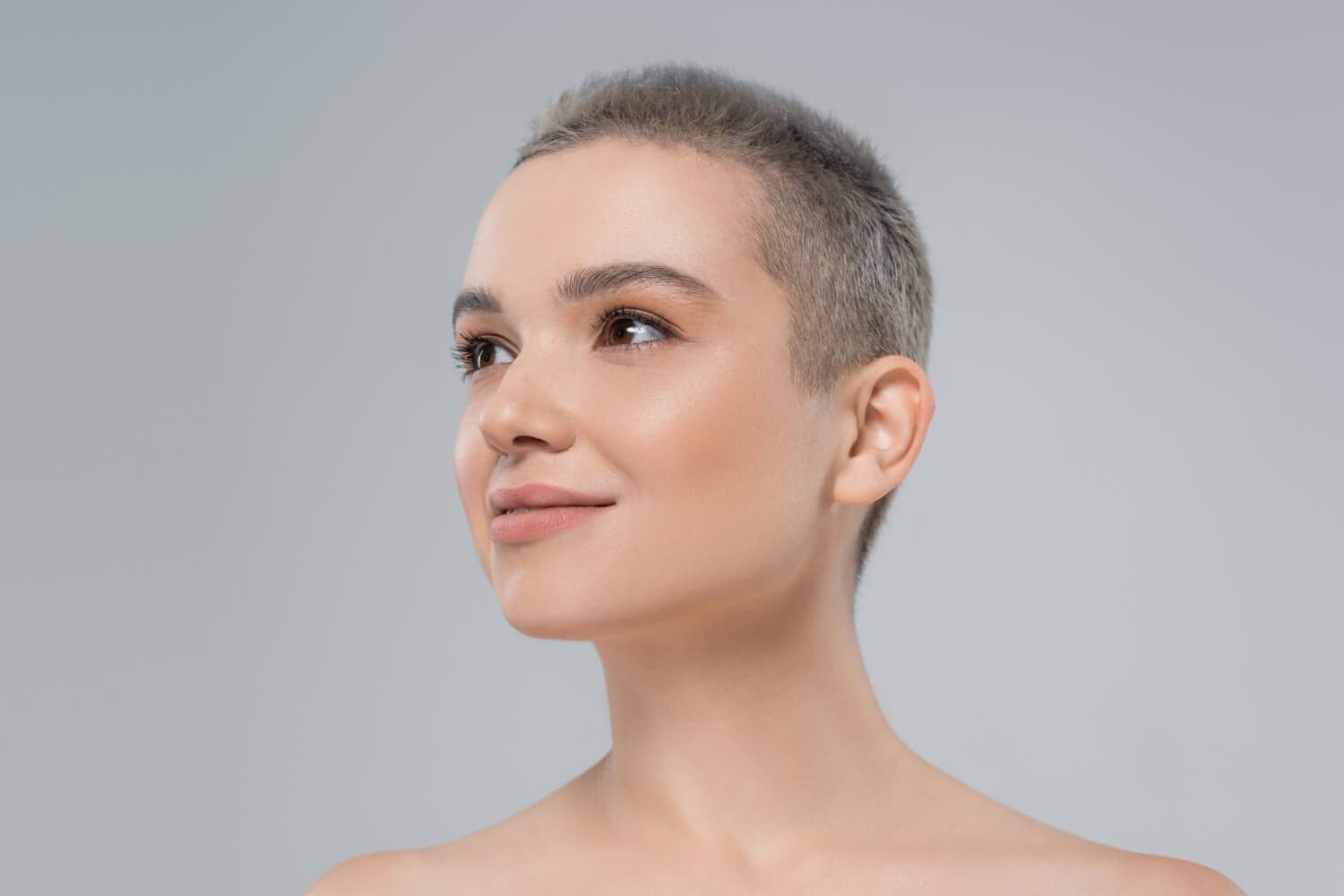
Toto je radostný čas: absolvovali ste poslednú sériu chemoterapie alebo lúčovej terapie a vaša onkologická liečba je oficiálne ukončená. Gratulujeme vám k prekonaniu takto náročného obdobia vo vašom živote! Otvoriť nealkoholické šampanské, pozviť si priateľov a rodinu a užiť si život – čaká vás veľa pekného, a rast vlasov po chemoterapii bude pravdepodobne jednou z týchto vecí.
Vypadávanie vlasov je bežným vedľajším účinkom onkologickej liečby a ako väčšina vedľajších účinkov sa zvyčajne s časom zníži. Teraz, keď ste ukončili liečbu, vaše vlasy budú znova rásť. Niektoré časti tohto procesu budú viac či menej očakávané (vlasy budete mať krátke dlhú dobu), ale iné vám môžu byť trochu prekvapením (ako napríklad chemoterapeutické kučery).
Na to, aby sme vám pomohli prejsť zmenami nadchádzajúceho roka, pripravili sme krátky sprievodca s návrhmi na starostlivosť o vaše nové vlasy:
Váš prvý rok rastu vlasov po chemoterapii
Ako sme spomínali, vypadávanie vlasov je bežným vedľajším účinkom onkologickej liečby, či už chemoterapie alebo lúčovej terapie. Stáva sa to preto, že cieľom onkologickej liečby je zastaviť šírenie rakovinových buniek a jedným zo spôsobov, ako to dosiahnuť, je zastaviť všetok rast buniek – vrátane rastu vlasových folikúlov. Preto tak veľa ľudí zažíva úplné alebo čiastočné vypadávanie vlasov, riások a obočia počas liečby.
Vedľajšie účinky onkologickej liečby nezmiznú hneď po ukončení liečby – niektoré vedľajšie účinky budete pravdepodobne zažívať ešte chvíľu, ale s časom zmiznú. A keď budú preč, vaše vlasové folikuly sa znova vzbudia a konečne budú produkovať nové vlasy. Môžete očakávať, že rast vlasov sa začne asi do niekoľkých mesiacov po poslednej liečbe a zmeny vlasov sa môžu objaviť až rok po poslednej liečbe.
Fázy rastu vlasov po chemoterapii
Nie každý osoba bude zažívať regeneráciu vlasov po chemoterapii rovnakým spôsobom, pretože proces závisí od samotnej onkologickej liečby, vašej genetiky a mnohých ďalších faktorov. Nasledujúca časová os je len zhruba orientačným odhad toho, kedy a aké zmeny vlasov môžete očakávať:
- Niekoľko týždňov po poslednej liečbe očakávajte fázu penuzience (jemného chlpku). Nazývať to vlasami môže byť v tomto bode prehnané, ale je to napriek tomu rast vlasov a prináša skvelú správu: zmena je na ceste! Niektorí ľudia sa dostanú do fázy penuzience až asi dva mesiace po liečbe, takže sa netrápiť. Časové osi sa môžu líšiť;
- 3 mesiace po poslednej liečbe začnete vidieť nový rast vlasov – skutočný rast vlasov, o trochu hrubší ako skôr. Majte na pamäti, že tieto nové vlasy môžu byť veľmi odlišné od vlasov, ktoré ste mali predtým: môžu byť tenšie, alebo dokonca inej farby. Nie je zvlášť čudné, ak majú vlasy v tomto štádiu bielu alebo sivú farbu, alebo dokonca o jeden alebo dva odtiene tmavšiu alebo svetlejšiu ako pôvodnú farbu. Produkcia pigmentu ešte nie je na plnú kapacitu, takže sa veľmi neobávajte zmien farby, pretože budú pravdepodobne dočasné. Využite tento čas na experimentovanie s novými účesmi a štýlmi, vrátane ostrých strihov, ktoré ste si nikdy netrúfli nosiť skôr;
- 6 mesiacov po poslednej liečbe sa vzdajte chemoterapeutických kučerov. Moment, čo? Nikdy ste nemali kučery a teraz máte? No, vaše nové vlasy môžu mať v tejto oblasti svoju vlastnú osobnosť. Zažiť kučeravé vlasy po chemoterapii je prekvapujúci vedľajší účinok, ktorý mnohí ľudia neočakávajú, ale je to veľmi bežné. Je to tiež väčšinou len fáza;
- 12 mesiacov po poslednej liečbe budú vaše vlasy začínať pripomínať vaše vlasy pred chemoterapiou. Farba by sa už teraz mala ustáliť, ako aj hrúbka a textúra.
Ako podporiť rast vlasov po chemoterapii
Teraz, keď vaše vlasy znova rastú, oplatí sa pozrieť sa na to, čo môžete urobiť, aby ste im pomohli. Rovnako ako je dôležité starostlivosť o vašu pokožku hlavy, ktorá sa môže cítiť trochu citlivá, je dôležité starostlivosť aj o vaše nové vlasy, ktoré môžu byť krehkejšie a tenšie, ako ste zvyknutí. Možno budete musieť sa prispôsobiť, ale tieto odporúčania vám môžu pomôcť:
Chráňte vašu pokožku hlavy po celý čas
Pokožka hlavy je pokožka, z ktorej rastú vlasy. Ak nie je zdravá a chránená, bude ťažšie, aby boli vaše vlasy zdravé. Jedna vec, ktorú môžete urobiť, aby ste upokojili vašu pokožku hlavy, je spať na jedwábnych alebo satinových obliečkach. Ak uprednostňujete bežné obliečky, možno budete chcieť zvážiť spací čepiec alebo čiapku.
Hydratujte vašu pokožku hlavy
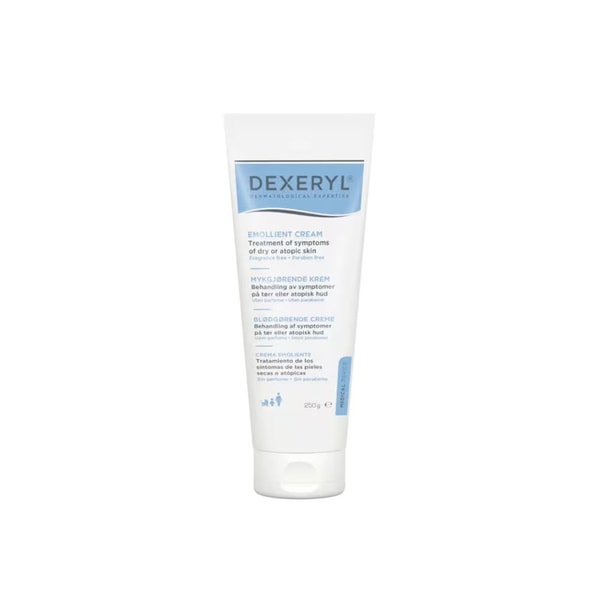
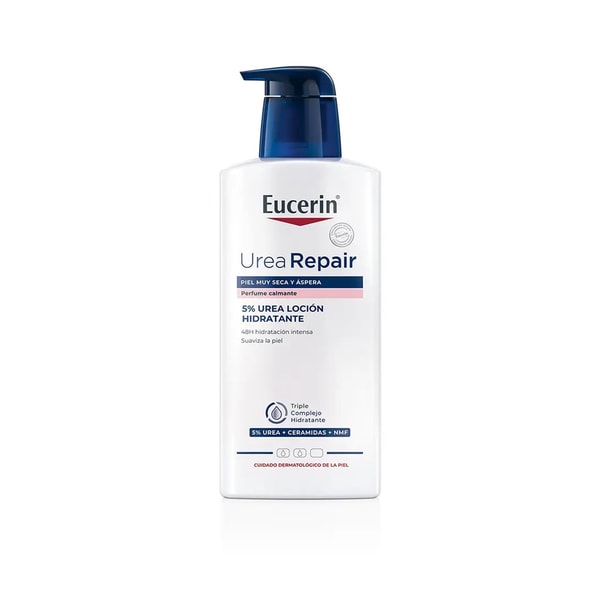
V počiatočných dňoch vášho putovaniia so rastom vlasov, keď nemáte vlasy alebo máte len trochu penuzience, starajte sa o vašu pokožku hlavy ako o čistú pokožku a hydratujte ju. Vyberte si jemné formulácie, ktoré chránia vašu pokožku a sú ľahko použiteľné.
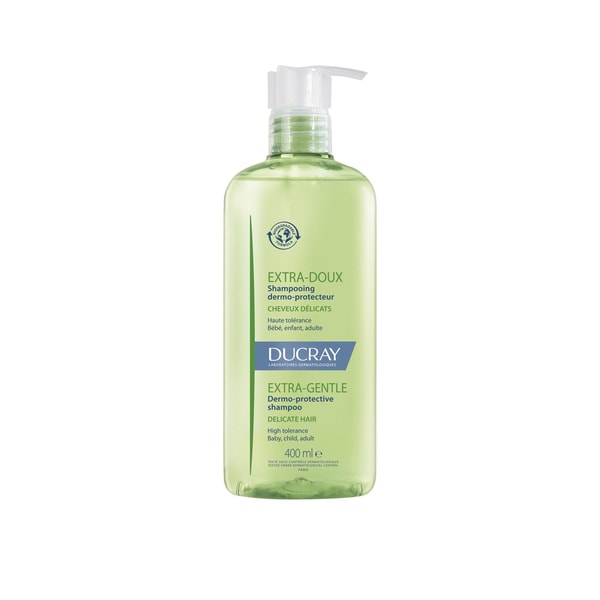
Používajte jemné šampóny
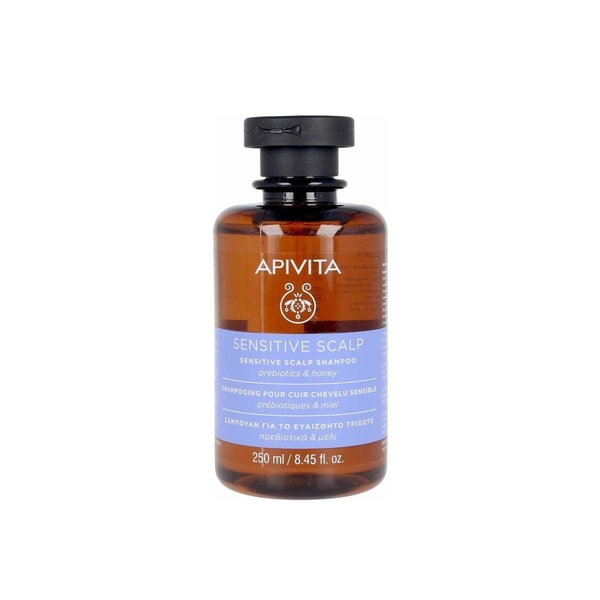
Starajte sa o vašu pokožku hlavy jemným masírovaním s jemným šampónom počas sprchovávania. Masáž bude stimulovať prietok krvi a jemný šampón bude udržiavať vašu pokožku hlavy čistú bez spúšťania alergiií.
Prijmite vaše nové vlasy
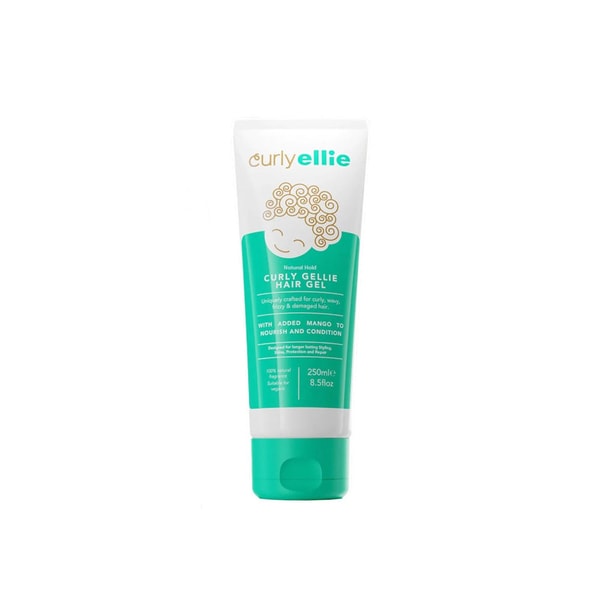
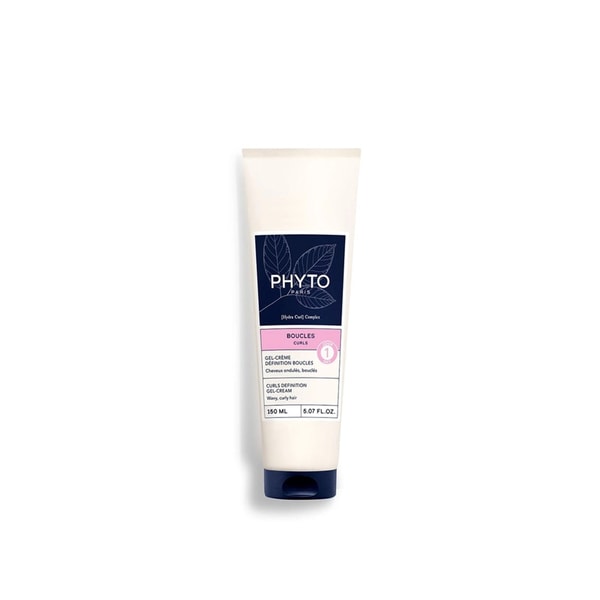
Ako sme videli, je možné, aby vaše vlasy nadobudli novú textúru alebo farbu, keď začnú rásť po onkologickej liečbe. Tieto zmeny sa vám môžu ťažko zvládať – prečo nemôžu byť veci jednoducho normálne? – ale mali by trvať len asi rok. Prijmite vaše nové dočasné vlasy a naučte sa ich štýlizovať novými a zábavnými spôsobmi pomocou jemných stylingových prípravkov.
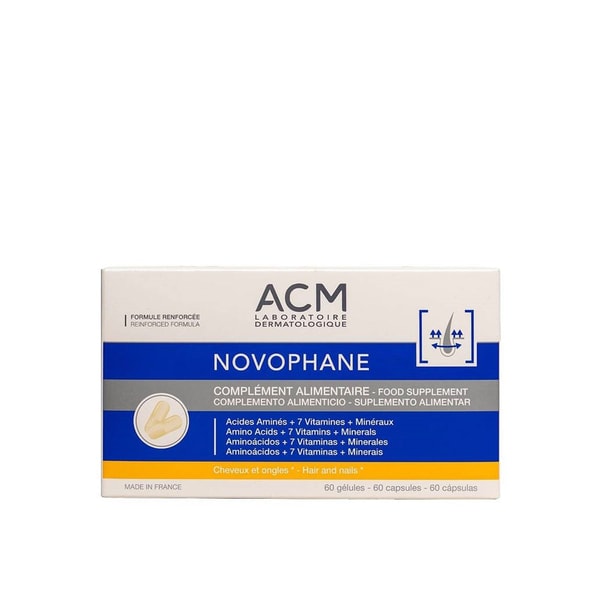
Zvážte doplnky biotínu
Budeme jasní: dôkazy podporujúce doplnky biotínu sú stále veľmi pochybné. Mnohí lekári však zaznamenali dobré výsledky vo svojej praxi a na základe tejto anekdotickej evidencie naďalej odporúčajú doplnky biotínu na podporu rastu vlasov počas obdobia po chemoterapii. Oplatí sa spýtať sa svojho lekára, aký má názor na tieto doplnky a či by vám mohli byť užitočné.
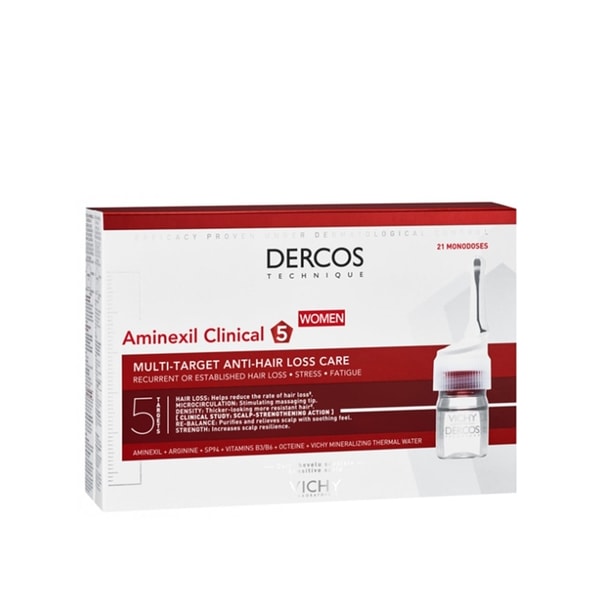
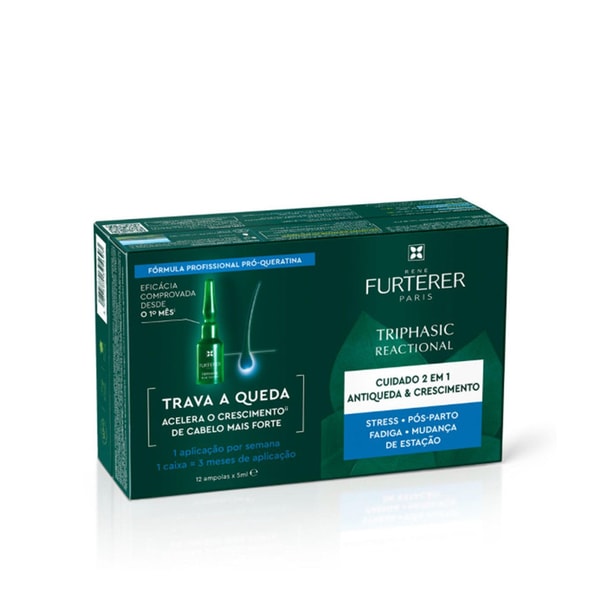
Používajte ampulky na starostlivosť o pokožku hlavy
Medzi doplnkami a topickými ampulkami na podporu rastu vlasov sa zdá, že dôkazy favorizujú ampulky. Spýtajte sa svojho lekára, či má názor, že topické ampulky môžu pomôcť starostlivosť o vašu pokožku hlavy a podporovať zdravý rast vlasov po vašej onkologickej liečbe. Každý prípad je iný a váš lekár vás bude môcť nasmerovať správnym smerom.
Čomu sa vyhnúť pri riešení vlasov po chemoterapii
Teraz, keď viete, čo môžete urobiť na podporu rastu vlasov po onkologickej liečbe, oplatí sa pozrieť sa na to, čomu by ste sa mali vyhnúť.
Všetko vzaté do úvahy, všetko, čo je surové alebo trvalé, by sa malo vyhýbať v prvom roku – myslite na chemické ošetrenia, farbenie vlasov a podobne. Na viac každodennej úrovni by sa mali vyhnúť aj účesom, ktoré držia vlasy zatiahnuté dozadu, kvôli riziku trakcyjnej alopécie.
Tu sú niektoré príklady ošetrení a štýlov, ktoré je najlepšie vyhnúť sa počas vášho prvého roka regenerácie po onkologickej liečbe:
- Trvalé vyrovnávajúce ošetrenia alebo relaxácia;
- Trvalá vlna vlasov;
- Vybleach vlasov;
- Trvalé alebo polotrvale farbenie vlasov;
- Vrkoče a predĺženia.
Bude čas na skúmanie všetkých týchto ošetrení, keď budú vaše vlasy znova vyrasené – ale počas tohto prvého roka je najlepšie zaobchádzať s nimi jemne a dať im najlepšie možné podmienky na zdravý a silný rast.
Starostlivosť o vaše vlasy – a pokožku – po onkologickej liečbe sa môže zdať trochu komplikovaná, ale ak budete veci jednoduchý, bude to zvládateľné. Ak máte nejaké pochybnosti, stačí sa spoliehať na kozmetiku schválenú onkológmi počas prvého roka po liečbe. Keď budete začínať vracať sa do svojho životného štýlu, môžete sa spoliehať na tieto osvedčené esenciálne prvky (sú také jemné, ako je možné!), alebo začať experimentovať s inou kozmetikou, ktorá sa vám viac páči.