Nakupujte na caretobeauty.com — Vaša spletna trgovina z lepoto



Ta članek je bil samodejno preveden iz angleščine in lahko vsebuje netočnosti.
To je vesel čas: opravili ste zadnjo rundo kemoterapije ali radioterapije in vaše zdravljenje raka je uradno zaključeno. Čestitamo, ker ste premagali tako naporan period v svojem življenju! Odprite penino brez alkohola, zberite svoje prijatelje in družino ter uživajte v svojem življenju – pred vami je še veliko, na kar se veselite, in rast las po kemoterapiji bo zagotovo ena od teh stvari.
Izpadanje las je pogost stranski učinek zdravljenja raka in je, kot večina stranskih učinkov, ponavadi s časom izgine. Zdaj, ko ste zaključili zdravljenje, bodo vaši lasje ponovno začeli rasti. Nekateri deli tega procesa bodo bolj ali manj pričakovani (lasje vam bodo kratki kar dolgo časa), drugi pa vas lahko malo presenetijo (npr. kemijske kodre).
Da bi vam pomagali pri spremembah v tem prihajajočem letu, smo pripravili kratek priročnik, ki vam bo pomagal skrbeti za vaše nove lase:
Vaše prvo leto rasti las po kemoterapiji
Kot smo že omenili, je izpadanje las pogost stranski učinek zdravljenja raka, bodisi kemoterapije ali radioterapije. To se zgodi, ker je namen zdravljenja raka zaustaviti širjenje rakavih celic, in eden od načinov za to je zaustaviti vso rast celic – vključno z rastjo v vašem lasnem repu. To je razlog, da mnogi ljudje doživijo popolno ali delno izgubo las, trebušnih in obrvi med zdravljenjem.
Stranski učinki zdravljenja raka ne izginejo takoj, ko prenehate z zdravljenjem – verjetno boste doživeli nekaj stranskih učinkov še nekaj časa, vendar bodo s časom izginili. In ko bodo odšli, se bodo vaši lasni folikuli ponovno prebudili in končno začeli proizvajati nove lase. Pričakujete lahko, da se bo rast las začela nekaj mesecev po vašem zadnjem zdravljenju, in boste morda doživeli spremembe las do enega leta po vašem zadnjem zdravljenju.
Faze rasti las po kemoterapiji
Ne bo vsak doživljal rasti las po kemoterapiji na enak način, saj je proces odvisen od samega zdravljenja raka, vaše genetike in številnih drugih spremenljivk. Naslednji časovni razpored je le groba ocena tega, kdaj in katere spremembe las lahko pričakujete:
- Nekaj tednov po zadnjem zdravljenju lahko pričakujete fazo mehkih las. Imenovanje tega las je morda pretiravanje v tem trenutku, vendar je to vseeno rast las in prinaša odličnih novice: sprememba je v teku! Nekateri ljudje bodo do faze mehkih las prišli šele približno dva meseca po zdravljenju, zato si ne prizadevajte. Časovni razpored se lahko razlikuje;
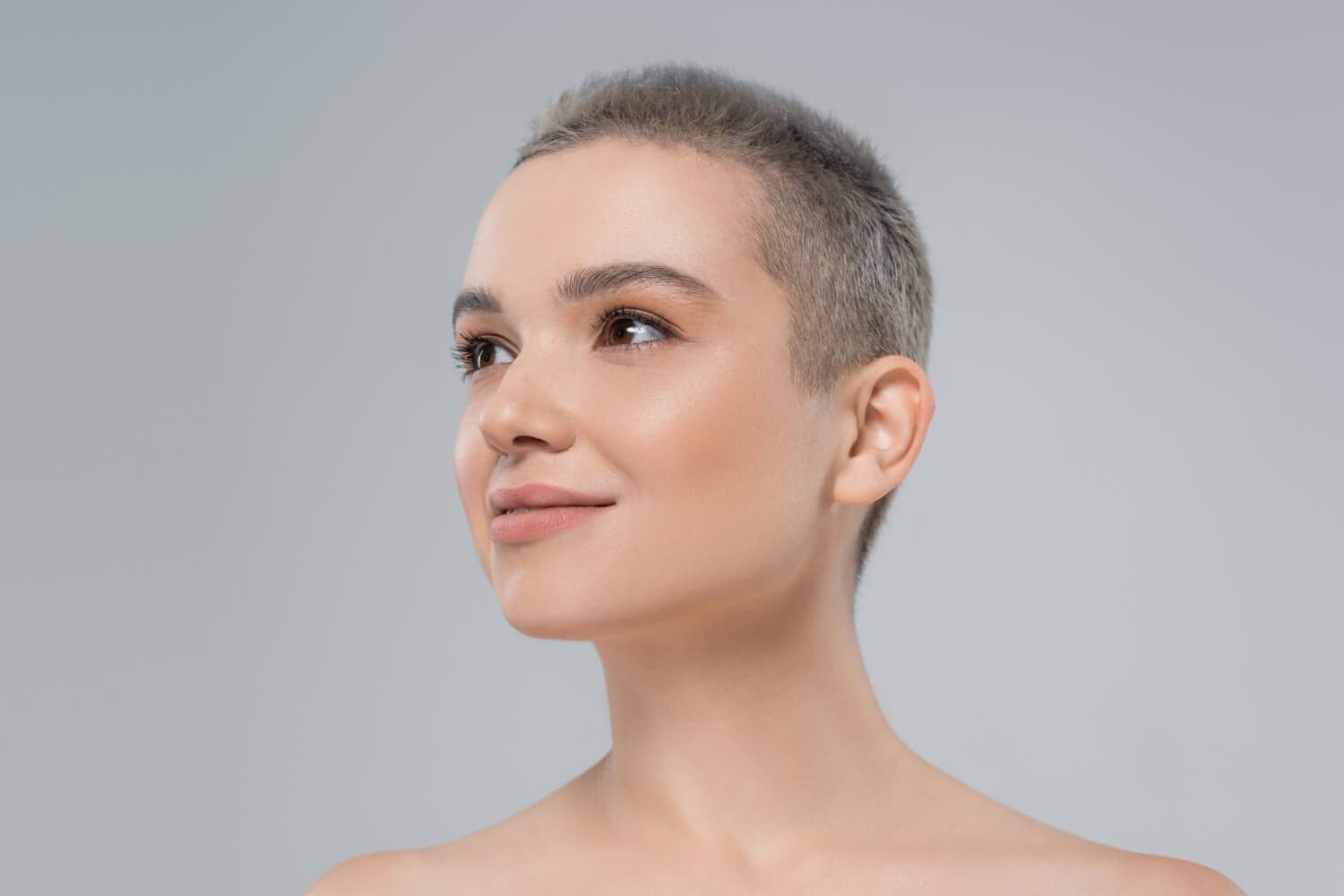
- 3 mesece po zadnjem zdravljenju brate videli novo rast las – pravo rast las, nekoliko debelejšo kot prej. Ne pozabite, da so novi lasje lahko zelo drugačni od las, ki ste jih imeli prej: lahko so tanjši ali pa tudi drugačne barve. Ni posebej nenavadno, da so lasje v tej fazi beli ali sivi, ali pa celo senco ali dve temnejši ali svetlejši kot njihova prvotna barva. Proizvodnja pigmenta še ni na polni hitrosti, zato se ne vznemirjajte preveč glede sprememb barve, saj bodo verjetno začasne. Izkoristite ta čas, da raziščete nove pričeske in načine oblikovanja las, vključno s tistimi piksijami, ki se jih nikoli niste upali nositi;
- 6 mesecev po zadnjem zdravljenju, sprejemite kemijske kodre. Počakaj, kaj? Nikoli niste imeli kodrov in zdaj jih imate? No, vaši novi lasje imajo v tem primeru lastno osebnost. Doživljanje koderastih las po kemoterapiji je presenetljiv stranski učinek, ki ga mnogi ljudje ne pričakujejo, vendar je res pogost. Je tudi, večinoma, samo začasna faza;
- 12 mesecev po zadnjem zdravljenju bodo vaši lasje začeli spominjati na vaše lase pred kemoterapijo. Barva bi se morala do te točke stabilizirati, enako kot debelina in tekstura.
Kako spodbujati rast las po kemoterapiji
Zdaj, ko rastejo vaši lasje, se je vredno poučiti, kaj lahko naredite, da pomagate. Tako kot je pomembno skrbeti za svojo lasno kožo, ki se lahko počuti malo občutljiva, je tudi pomembno skrbeti za svoje nove lase, ki so morda bolj krhki in tanjši, kot ste navajeni. Morda boste morali se prilagoditi, vendar vam ta priporočila lahko pomagajo:
Zaščitite svojo kožo lasnega repa vedno
Vaša koža lasnega repa je koža, iz katere rastejo lasje. Če ni zdrava in zaščitena, bo težje, da bodo vaši lasje zdravi. Ena od stvari, ki jo lahko naredite, da pomirjate svojo kožo lasnega repa, je, da spite na svilenih ali satenske blazine. Če raje uporabljate običajne blazine, razmislite o noču kapici ali kapu.
Hidratizacija kože lasnega repa
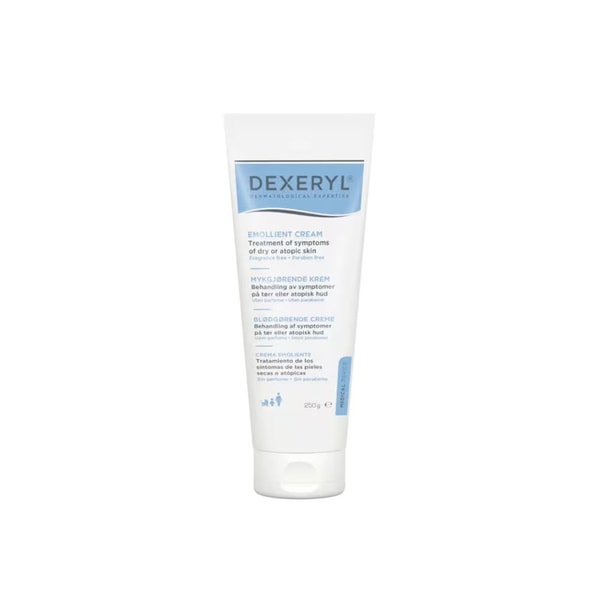
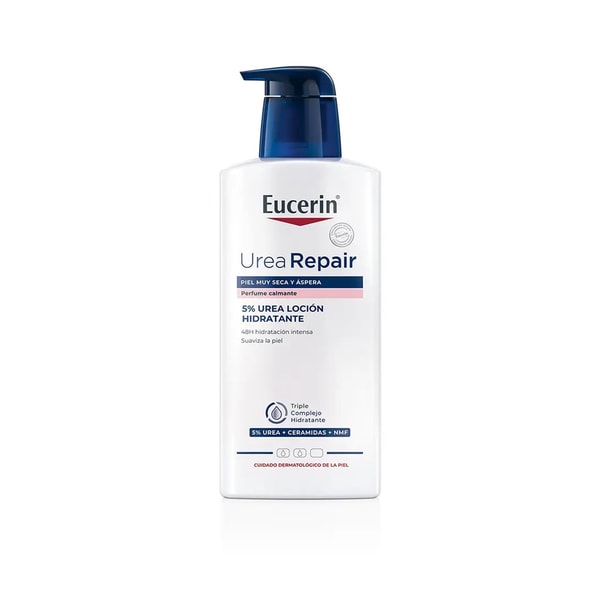
V prvih dneh vaše poti rasti las, ko nimate las ali le malo mehkih las, obravnavajte svojo kožo lasnega repa kot čisto kožo in jo hidratizurite. Izberite nežne formule, ki zaščitijo vašo kožo in jih je enostavno uporabiti.
Uporabljajte nežne šampone
Poskrbite za svojo kožo lasnega repa tako, da jo nežno masažirate z nežnim šamponom pod tušem. Masaža bo spodbujala pretok krvi, nežni šampon pa bo vašo kožo lasnega repa čistil brez sprožanja alergij.


Sprejemite svoje nove lase
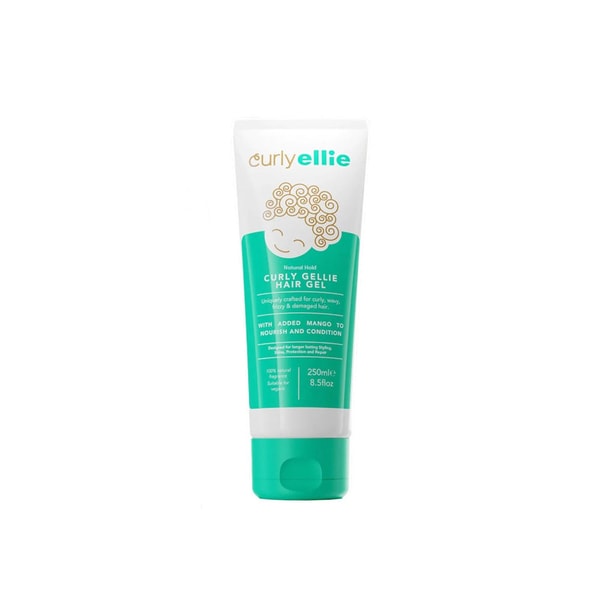
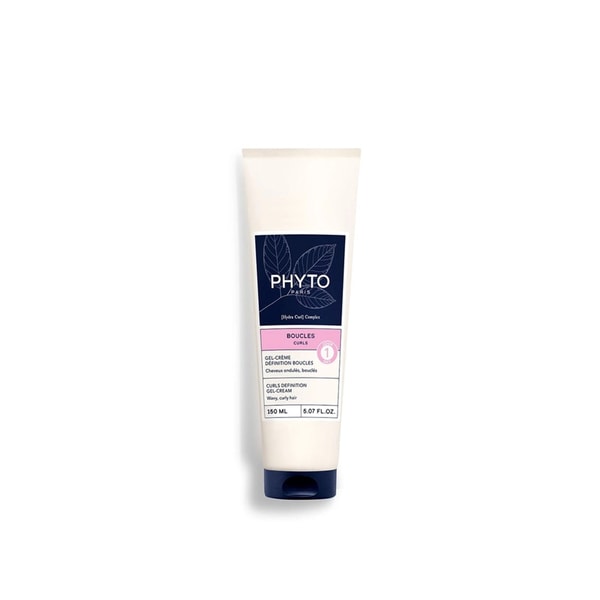
Kot smo že videli, je mogoče, da vaši lasje spremenijo teksturo ali barvo, ko se začnejo ponovno rasti po zdravljenju raka. Morda je težko spoprijeti se s temi spremembami – zakaj ne more biti vse normalno? – vendar bi morale trajati samo približno eno leto. Sprejemite svoje nove začasne lase in se naučite jih oblikovati na nove in zabavne načine z nežnimi izdelki za oblikovanje.
Razmislite o biotinskih dodatkih
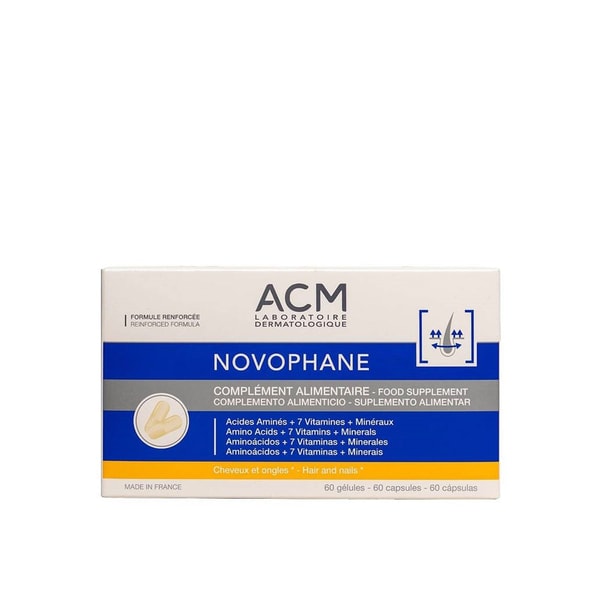
Biće povsem jasno: dokazi, ki podpirajo biotinske dodatke, so še vedno precej dvomljivi. Vendar pa mnogi zdravniki doživljajo dobre rezultate v svoji praksi in se na podlagi te anektodne zasnove še naprej odločajo priporočati biotinske dodatke za podporo rasti las v obdobju po kemoterapiji. Morda bi bilo vredno vprašati svojega zdravnika, kako se počuti glede teh dodatkov in ali bi bila koristna za vas.
Uporabljajte ampoule za nego kože lasnega repa
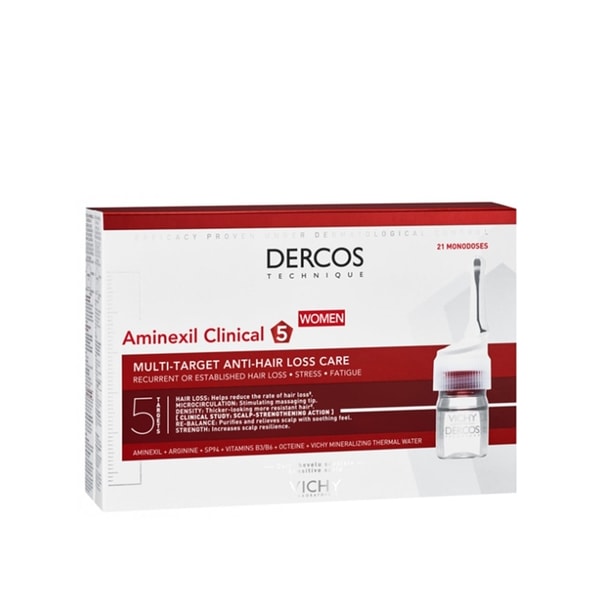
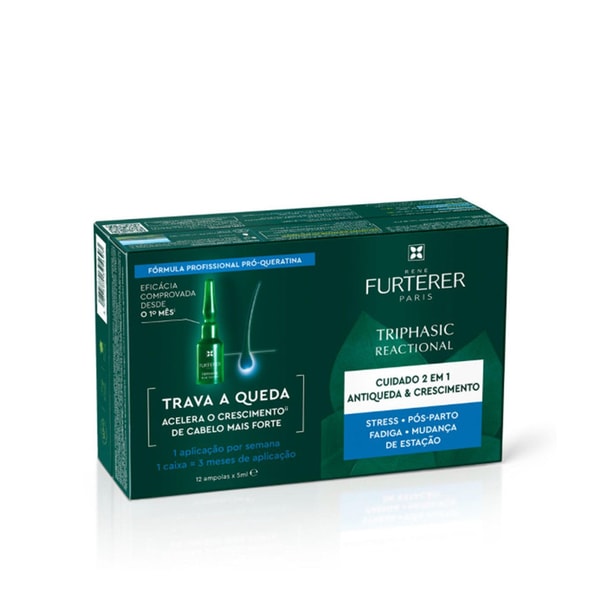
Med dodatki in topikalnimi ampulami za podporo rasti las se dokazi zdijo v prid ampulem. Vprašajte svojega zdravnika, ali meni, da topikalne ampoule lahko pomagajo pri negi kože lasnega repa in podpirajo zdravo rast las po vašem zdravljenju raka. Vsak primer je drugačen in vaš zdravnik vam bo lahko pokazal pravo smer.
Česa se je treba izogibati pri obravnavi las po kemoterapiji
Zdaj, ko veste, kaj lahko naredite za podporo rasti las po zdravljenju raka, se morda vredno poučiti, česa se je treba izogibati.
Vse v vsem je vse, kar je agresivno ali stalno, najbolje izogibati se v prvem letu – pomislite na kemijske obdelave, barvanje las itd. Na bolj vsakodnevni ravni je treba izogibati se tudi pričeske, ki nategujejo lase nazaj, zaradi tveganja za izpadanje las zaradi napetosti.
Tukaj je nekaj primerov obdelav in stilov, ki se jih je najbolje izogibati v vašem prvem letu rasti las po zdravljenju raka:
- Trajne obdelave za ravnanje ali mehčalci;
- Ondulacija las;
- Žvepljenje las;
- Stalne ali pol-stalne barve za lase;
- Pletenke in podaljški.
Prišel bo čas za raziskovanje vseh teh obdelav, ko bodo vaši lasje ponovno zrasli – ampak v tem prvem letu je najbolje, da jih obravnavate nežno in jim dajete najbolje možne pogoje za zdravo in močno rast.
Skrb za vaše lase – in kožo – po zdravljenju raka se lahko zdi malo zapleteno, vendar če stvari poenostavite, bo obvladljivo. Če imate katere koli dvome, se v prvem letu po zdravljenju držitekozmetike, odobrene za onkologijo. Ko se začnete vračati v svojo življenjski slog, se lahko držite teh preizkušenih in preizkušenih osnovnih sredstev (so tako nežna, kot jih le mora biti!), ali pa začnete eksperimentirati s drugo kozmetiko, ki vam je bolj všeč.