Kupujte na caretobeauty.com — Vaša online prodavnica lepote



Овај чланак је аутоматски преведен са енглеског и може садржати нетачности.
Ovo je radosno vrijeme: završili ste zadnju rundu hemoterapije ili radioterapije i vaš tretman raka je službeno završen. Čestitamo vam što ste prebrodili tako naporan period u vašem životu! Otvorite šampanjac bez alkohola, okupite svoje prijatelje i porodicu, i uživajte u životu--pred vama čeka mnogo toga, a rast kose nakon hemoterapije vjerovatno će biti jedno od tih stvari.
Gubitak kose je česta nuspojava tretmana raka, i kao većina nuspojava, obično prolazi s vremenom. Sada kada ste završili tretman, vaša kosa će početi da raste ponovo. Neki dijelovi ovog procesa biće više ili manje očekivani (imaćete kratku kosu dugo vremena), a drugi mogu biti malo iznenađujući (kao što su hemoterapijske kovrče).
Da vam pomognemo kroz promjene koje dolaze u narednoj godini, pripremili smo kraći vodič koji će vam pomoći da vodite brigu o vašoj novoj kosi:
Vaša prva godina rasta kose nakon hemoterapije
Kao što smo već spomenuli, gubitak kose je česta nuspojava tretmana raka, bilo hemoterapije ili radioterapije. Ovo se dešava jer je cilj tretmana raka zaustaviti širenje stanica raka, a jedan od načina da se to uradi je da se zaustavi sve rast stanica--uključujući rast u vašim folikulima kose. Zbog toga toliko ljudi iskuša potpuni ili parcijalni gubitak kose, trepavica i obrva tokom tretmana.
Nuspojave tretmana raka ne nestaju čim prestanete tretman--vjerovatno ćete doživjeti neke nuspojave izvjesno vrijeme, ali one će nestati sa vremenom. I kada one nestanu, vaši folikuli kose će se ponovno probuditi i konačno početi da proizvode nove vlakne kose. Možete očekivati da će rast kose početi unutar nekoliko mjeseci nakon vašeg posljednjeg tretmana, i možete doživjeti promjene kose do godinu dana nakon vašeg posljednjeg tretmana.
Faze rasta kose nakon hemoterapije
Svi neće doživjeti ponovno rast kose nakon hemoterapije na isti način, jer proces zavisi od samog tretmana raka, od vaše genetike i mnogo drugih varijabli. Sljedeća vremenska linija je jednostavno gruba procjena kada i kakve promjene kose možete očekivati:
- Nekoliko nedelja nakon posljednjeg tretmana, očekujte fazu perjanog dlaka. Nazivanje toga kosom može biti preuveličavanje u ovoj fazi, ali to je ipak rast kose, i to donosi odličnu vijest: promjena je u tijeku! Neki ljudi će doći do faze perjanog dlaka tek oko dva mjeseca nakon tretmana, tako da se ne zabrinjavajte. Vremenske linije mogu biti različite;
- 3 mjeseca nakon posljednjeg tretmana, počet ćete vidjeti novi rast kose--stvarni rast kose, malo deblji nego prije. Imajte na umu da ova nova kosa može biti vrlo različita od kose koju ste imali: može biti tanja, ili čak i drugačije boje. Nije posebno čudno što kosa u ovoj fazi može biti bijela ili siva, ili čak nijansu ili dvije tamnija ili svjetlija od originalne boje. Proizvodnja pigmenta još nije na punoj brzini, tako da se ne zabrinjavajte previše zbog promjena boje, jer će vjerovatno biti privremene. Iskoristite ovo vrijeme da istražite nove izglede i frizure, uključujući one frizure koje nikada niste smjeli nositi;
- 6 mjeseci nakon posljednjeg tretmana, prihvatite hemoterapijske kovrče. Čekaj, šta? Nikada niste imali kovrče a sada imate? Pa, vaša nova kosa može imati svoju osobnost na ovoj oblasti. Iskustvo kovrdžave kose nakon hemoterapije je iznenađujuća nuspojava koju mnogi ljudi nisu očekivali da se desi, ali je super česta. To je također, većinom, samo faza;
- 12 mjeseci nakon posljednjeg tretmana, vaša kosa će početi da liči na vašu kosu prije hemoterapije. Boja bi trebala biti stabilizirana do sada, kao i debljina i tekstura.
Kako促促 rast kose nakon hemoterapije
Sada kada vaša kosa ponovno raste, vrijedi razmotriti šta možete učiniti da joj pomognete. Baš kao što je važno voditi brigu o vašoj temeljitoj, koja može biti malo osjetljiva, također je važno voditi brigu o vašoj novoj kosi, koja može biti krhkija i tanja nego što ste navikli. Možda ćete morati prilagoditi se, ali ova preporuka može pomoći:
Zaštitite vašu temelj u svakom trenutku
Vaša temelj je koža iz koje raste kosa. Ako nije zdrava i zaštićena, biće teže da vaša kosa bude zdrava. Jedna stvar koju možete učiniti da smirite vašu temelj je da spavate na svilenim ili satinskim jastucima. Ako preferirate obične jastuke, možda biste trebali razmotriti spavačku kapulu ili kapu.
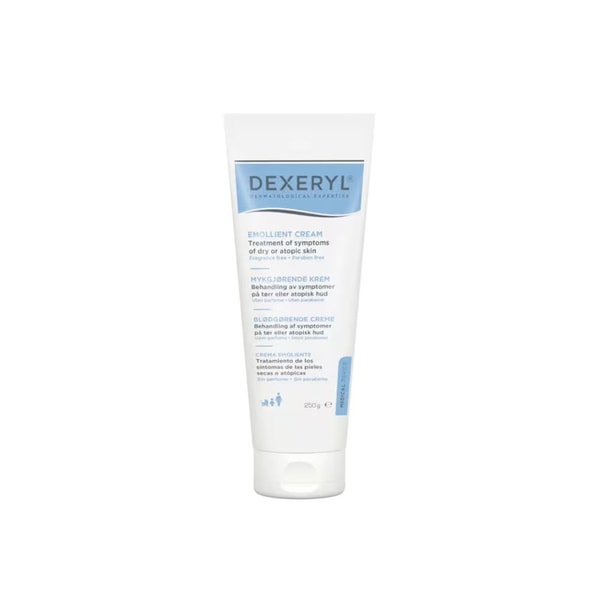
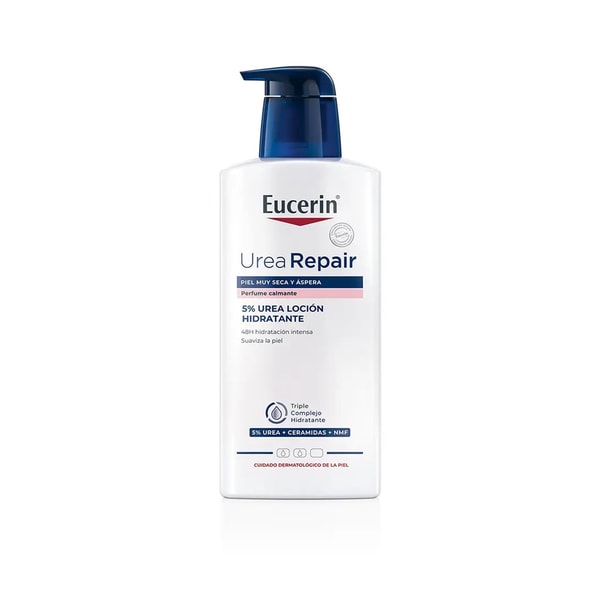
Vlaživati vašu temelj
U ranim danima vaše putanje ponovno rasta kose, kada nemate kosu ili samo malo perjanog dlaka, tretirajte vašu temelj kao čistu kožu i vlaživajte je. Odaberite nježne formule koje čuvaju vašu kožu zaštićenu i koje su lako za korištenje.
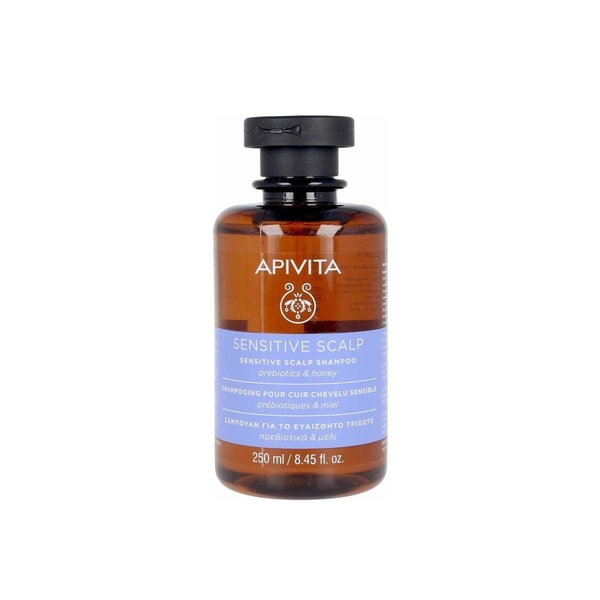
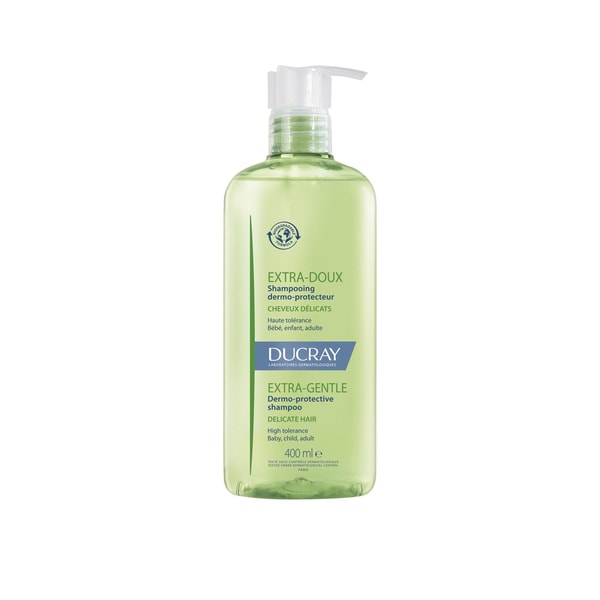
Koristite nježne šampone
Vodite brigu o vašoj tememlj nježnim masiranjem sa nježnim šamponom kada se tuširate. Masiranje će stimulirati protok krvi, a nježni šampon će čuvati vašu temelj čistom bez pokretanja bilo kakvih alergija.
Prihvatite vašu novu kosu
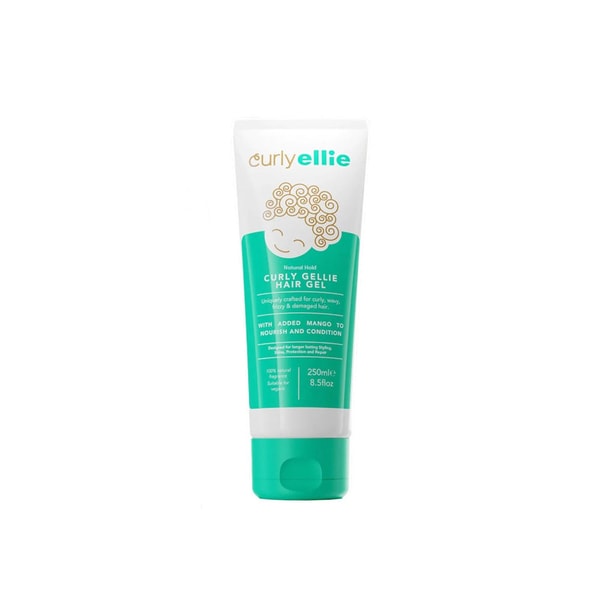
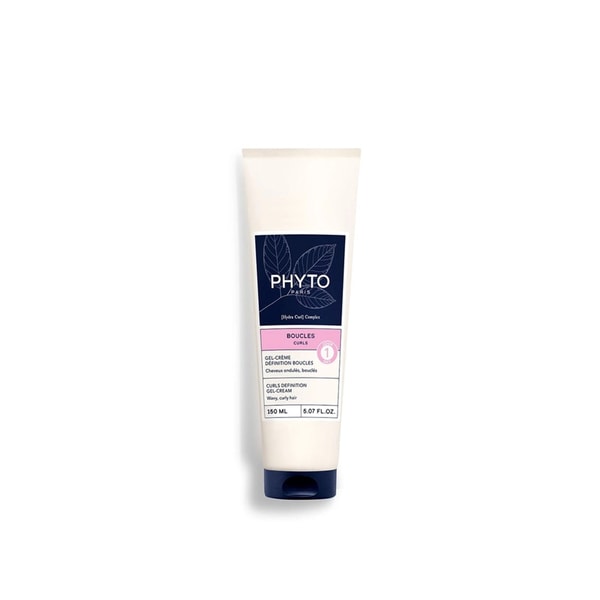
Kao što smo vidjeli, moguće je da vaša kosa dobije novu teksturu ili boju kako počinje da ponovno raste nakon tretmana raka. Može biti teško nositi se s tim promjenama--zašto stvari ne mogu biti jednostavno normalne?--, ali one bi trebale trajati oko godinu dana. Prihvatite vašu novu privremenu kosu, i naučite da je stilizujete na nove i zabavne načine, koristeći nježne proizvode za stiliziranje.
Razmotrite biotin suplementa
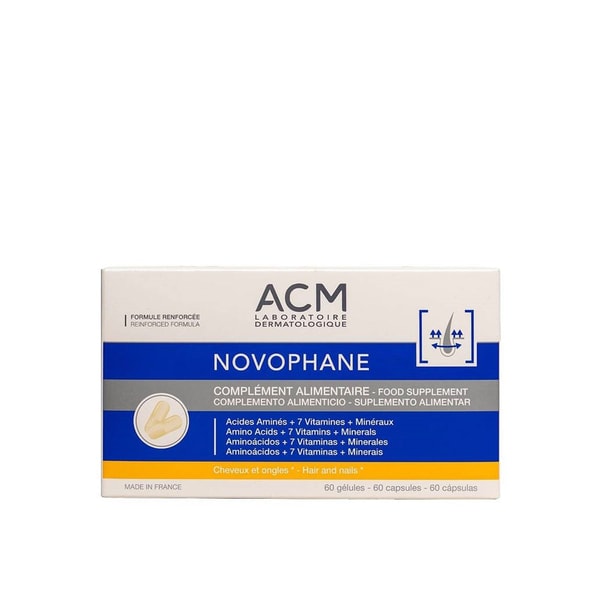
Biti ćemo jasni: dokazi koji podržavaju biotin suplementa još su veoma nejasni. Međutim, mnogi liječnici su iskusili dobre rezultate u svojoj praksi i, na osnovu ove anekdotske evidence, nastavljaju da preporučuju biotin suplementa da podržavaju rast kose tokom post-hemoterapijskog perioda. Može biti vrijednosti da pitajte vašeg liječnika šta misle o ovim suplementima, i da li mogu biti korisni za vas.
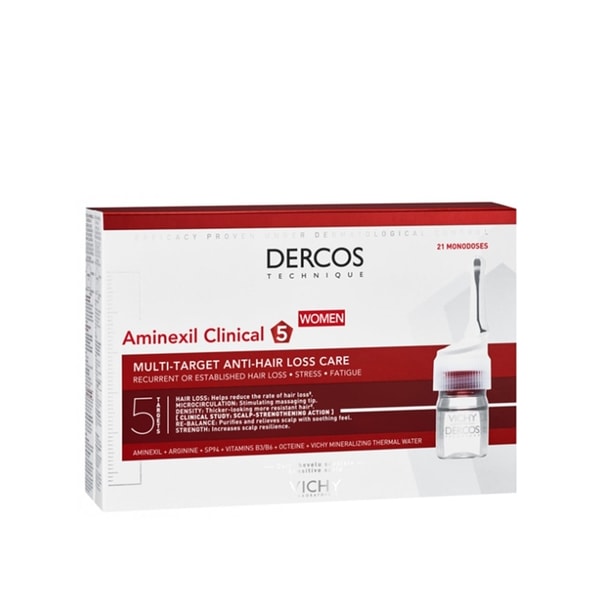
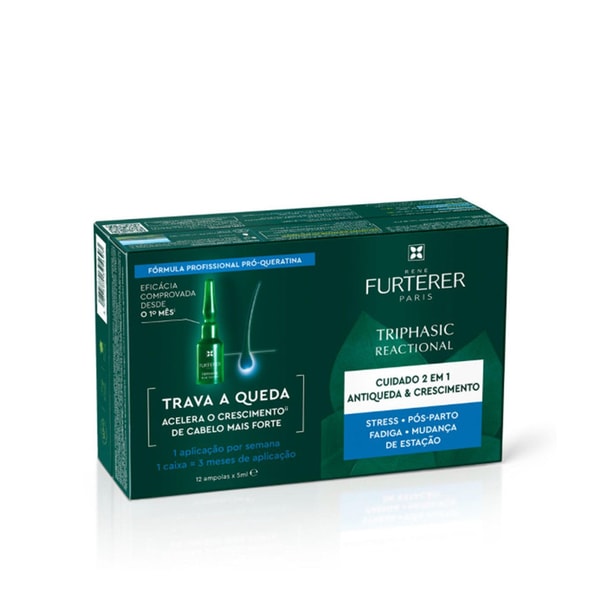
Koristite ampule za negu temeljice
Između suplementa i topikalnih ampula za podršku rastu kose, dokazi čini se da favorizuju ampule. Pitajte svog liječnika da li misle da topikalne ampule mogu pomoći pri nezi vašeg tjemena i podršci zdravom rastu kose nakon vašeg tretmana raka. Svaki slučaj je drugačiji, i vaš liječnik će vas moći uputi u pravi smjer.
Šta izbjeći kada se radite s kosom nakon hemoterapije
Sada kada znate šta možete učiniti da podržite rast kose nakon tretmana raka, može biti vrijednosti razmotriti šta trebate izbjeći.
Sve u svemu, sve što je oštre ili trajno trebalo bi izbjeći u prvoj godini--mislite na hemijske tretmane, farbanje kose, i tako dalje. Na svakodnevniju osnovu, frizure koje drže kosu povučenu unazad trebalo bi također izbjeći, zbog rizika od alopeciije trakcije.
Evo nekih primjera tretmana i stilova koje je najbolje izbjeći tokom vaše prve godine ponovnog rasta nakon tretmana raka:
- Trajni tretmani za izravnavanje ili relakseri;
- Permanentovanje kose;
- Izbjeljivanje kose;
- Trajne ili polu-trajne boje za kosu;
- Pletenice i produžeci.
Biće vremena da istražite sve te tretmane čim vam se kosa oporavila--ali za ovu prvu godinu, najbolje je da je tretrate nježno i dajete joj najbolje moguće uslove da raste zdravo i jako.
Briga o vašoj kosi--i koži--nakon tretmana raka može djelovati malo komplikovano, ali ako stvari zadržite jednostavnom, biće upravljivo. Ako imate bilo kakve sumnje, jednostavno se držite kozmetike odobrene od onkologa u prvoj godini nakon tretmana. Kako počinjete da se polako vraćate u svoj način života, možete se držati ovih pokušanih i isprobanih esencijala (oni su koliko god nježni mogu biti!), ili počnite eksperimentisati s drugom kozmetikom koju vam je više privlačna.