


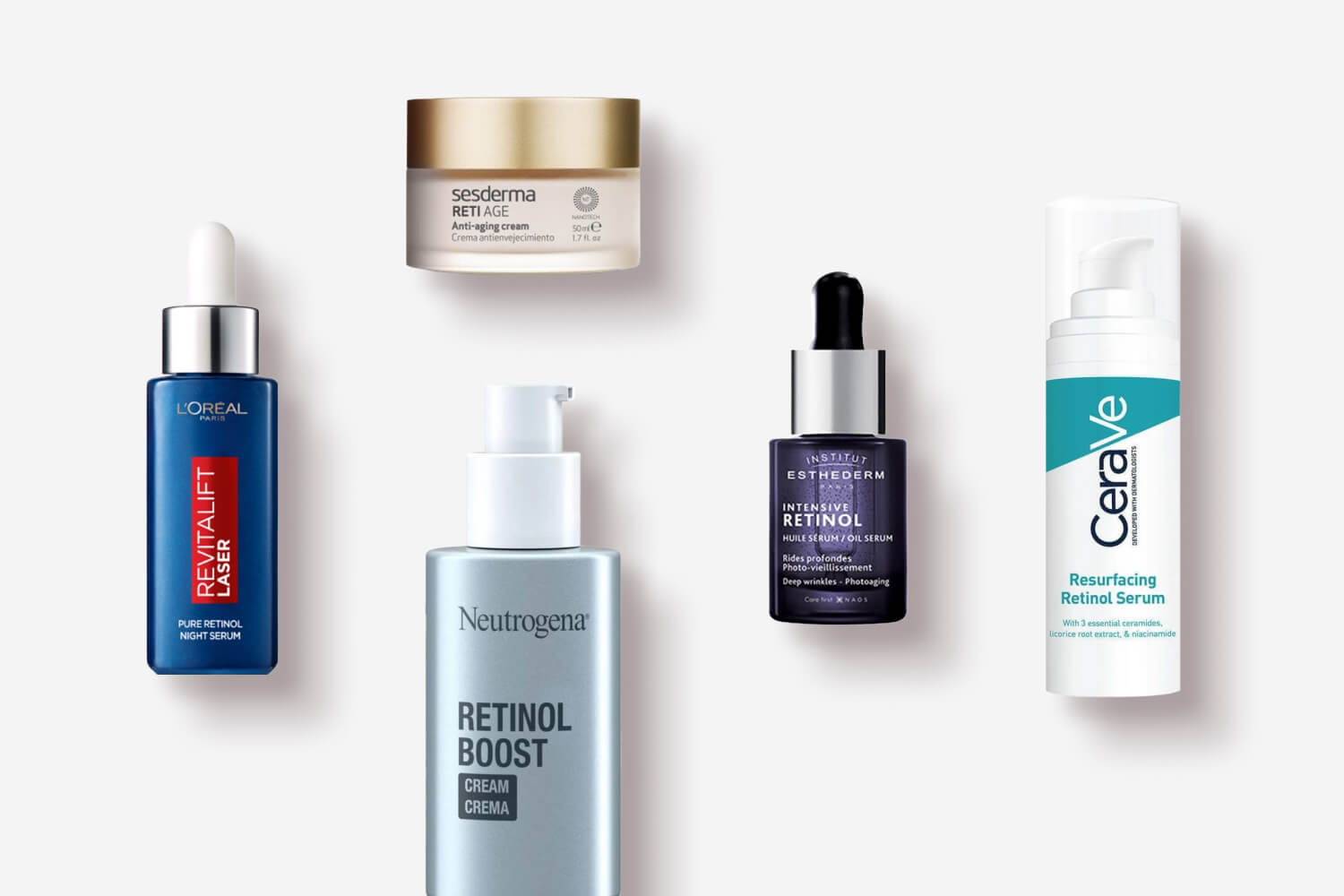
Retinol is an anti-aging staple, but not everyone can use it with abandon. In fact, retinol is to blame for the sensitized state of many skins out there. So, if you’re new to retinol and are afraid to start using it, we’ve compiled a guide with the best retinol for beginners, as well as some much-needed advice.
Table of Contents
Why you need to be careful with retinol
Retinol is the gold standard of at-home anti-aging routines and has countless benefits. Indeed, retinol can help you target everything from aging signs to dark spots and acne. However, because it actually works, it also has some side effects if not used wisely. Some of the most common side effects of retinol are sensitized skin (think redness and general irritation), breakouts, and skin peeling.
However, retinol can be used wisely–figure out how to make it work for you, and it can be your skin’s best ally. The trick here is getting to know your skin, what it can handle, and the products you’re using. Yes, not only the retinol itself, but every other product in your skincare routine. Say, for example, that you’re a fan of exfoliating acids and want to use them alongside retinol: the best solution for you may be skin cycling, to ensure you’re not overstretching the limits of your skin.
Who should avoid retinol?
Some people are more sensitive to retinol than others, but anyone can have an adverse reaction to this ingredient if they use it too much or too often. That’s just par for the course with retinol, and one light adverse reaction shouldn’t discourage you from using this ingredient in your routine.
There are, however, some people who should consider avoiding retinol: people who are allergic to the ingredient (obviously), people with highly intolerant skin, and people who are pregnant (as a precaution). If this is you, don’t fret, as there are great retinol alternatives you may be able to use.
A beginner’s guide to retinol
There is the possibility that your skin tolerates retinol just fine and you use it without any issues. If, however, you want to make sure you get the most benefits from retinol without any of the less agreeable side effects, there are a few things you may want to keep in mind.
How old should you be to use retinol?
If you want to start using retinol for its anti-aging properties, it doesn’t make sense to use it before age 25. (Yes, despite what you may have been seeing on TikTok.)
The only way you would benefit from retinol in your teenage years and early adulthood would be in fighting acne.
How much retinol should you start with?
Our recommendation is always to follow the product recommendation if one is available. Formulas are not all the same, so it’s important to follow the brand’s advice. If there isn’t a recommended amount, start by using a pea-sized amount of product, or three drops if it’s a more liquid formula.
How often should you use retinol when you’re starting out?
When it comes to retinol tips for beginners, this section is one of the most important: let’s talk about how frequently you should be using this ingredient. Ideally, you should start by using it once or twice a week; then, you can start increasing the frequency (or decreasing spacing between uses, if you’d rather think about it that way) every two weeks.
To help you when you’re starting out, we’ve made you a little retinol schedule for beginners:
| Weeks 1-2 | Sunday and Thursday evenings |
| Weeks 3-4 | Sunday, Wednesday, and Friday evenings |
| Weeks 5-6 | Alternate evenings |
| Week 7 & beyond | Every evening |
Keep in mind that we’ve put together this “schedule” for low-concentration formulas that can be used every day–we’ll show you some in a moment. Some retinol products, however, are not meant for everyday use. As always, follow brand recommendations: if a brand says you should only use their product twice or thrice a week, they’re the expert here!
And a final note: if you start to feel discomfort as you increase the frequency of retinol use, don’t worry: simply go back to the last “schedule” that worked well with your skin.
How to apply retinol (if you’ve never used it before)
Let’s start with some general guidelines. Most retinol products should not be applied to the eye contour–the exception is, of course, if we’re talking about a formula developed specifically for this area. If we are talking about common retinol creams or serums, try to keep them away from your eyes. Additionally, you should avoid any area that is showing any signs of redness or has any kind of open wound.
Ideally, apply your retinol directly to clean skin, to make sure you reap all its benefits. After retinol, apply your favorite moisturizer that goes well with retinol; this should help you avoid some side effects of retinol, such as dryness and peeling of the skin.
If you’re a bit afraid of applying retinol directly onto your skin, you can sandwich your retinol between two layers of a moisturizing product. You can, for example, apply a hydrating serum, then retinol, then the same serum again.
The best retinol serums & creams for beginners
Now that we’ve shared some recommendations for beginners who want to start using retinol, let’s look at some products. Below, you’ll find some of the best “starter retinols” out there:
Sesderma Reti Age Anti-aging Cream
The best retinol cream
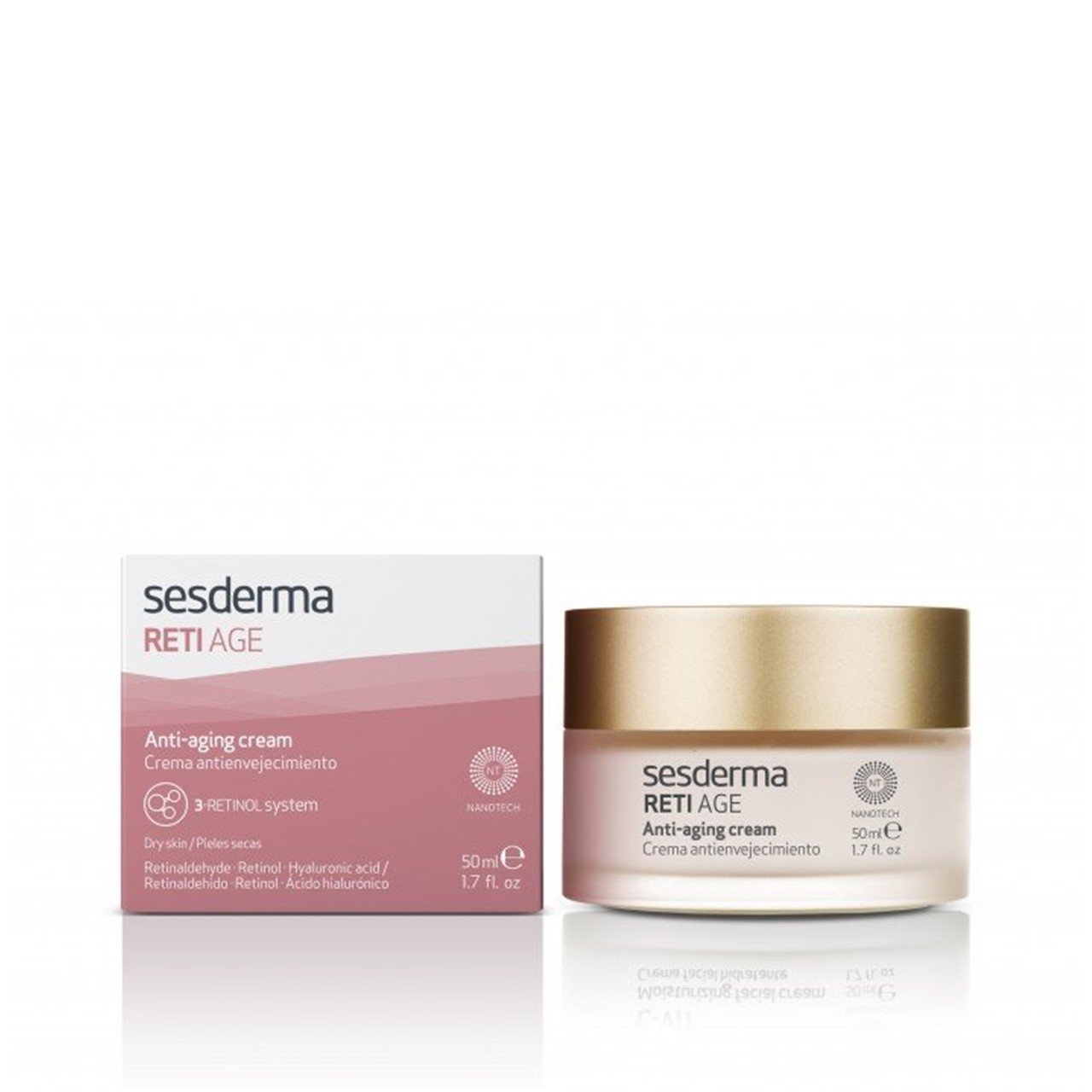 Sesderma Reti Age Anti-aging Cream
Sesderma does great strong retinols, but not everyone will want a strong one. If that’s you, try the Sesderma Reti Age Anti-aging Cream, a retinol formula that can be used every day of the year, with hardly any issues.
The formula is quite nourishing to counteract the possible side effects of the retinol. Ideal for those who want a low-commitment retinol, that can be used every day and doesn’t make you think about changing your habits depending on the day of the week.
Sensilis Eternalist A.G.E [Retinol Serum] Wrinkle Filling Serum
The best retinol serum for sensitive skin
![Sensilis Eternalist A.G.E [Retinol Serum] Wrinkle Filling Serum 30ml](https://static.beautytocare.com/media/catalog/product/s/e/sensilis-eternalist-a-g-e-retinol-serum-wrinkle-filling-serum-30ml.jpg) Sensilis Eternalist A.G.E [Retinol Serum] Wrinkle Filling Serum
Sensilis Eternalist A.G.E [Retinol Serum] Wrinkle Filling Serum
Every product from Sensilis is formulated for those with sensitive skin. Recommended by many dermatologists, the Sensilis Eternalist A.G.E [Retinol Serum] Wrinkle Filling Serum contains a milder retinol derivative that is gentler on the skin but still delivers.
The formula is highly complex and complete, ensuring you have all the benefits of an antiaging routine in just one simple gesture.
CeraVe Resurfacing Retinol Serum
The best retinol for oily skin
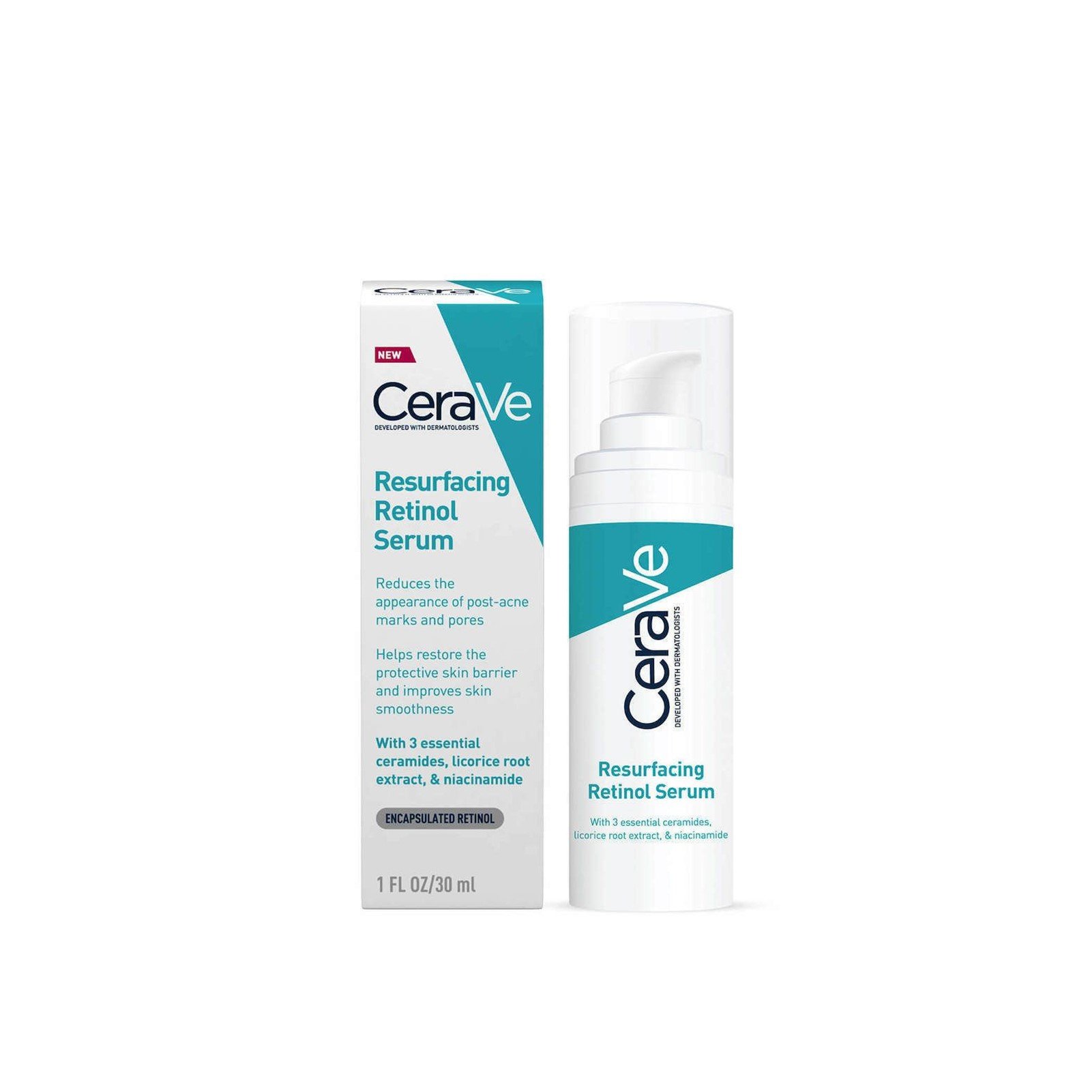 CeraVe Resurfacing Retinol Serum
Formulated for those who need to fight acne, the CeraVe Resurfacing Retinol Serum is perfect for those with oily skin.
This affordable and minimalist formula ensures your skin gets retinol without needing one nourishing formula that can break you out.
Neutrogena Retinol Boost Cream
The best retinol for dry skin
 Neutrogena Retinol Boost Cream
The innovative Neutrogena Retinol Boost Cream was formulated for sensitive skin. With a highly nourishing creamy formula, this option lets you enjoy your retinol even if you have sensitive skin.
The lightly scented formula is a real pleasure to use and visibly reduces lines and improves radiance.
L’Oréal Paris Revitalift Laser Pure Retinol Night Serum
The best affordable retinol
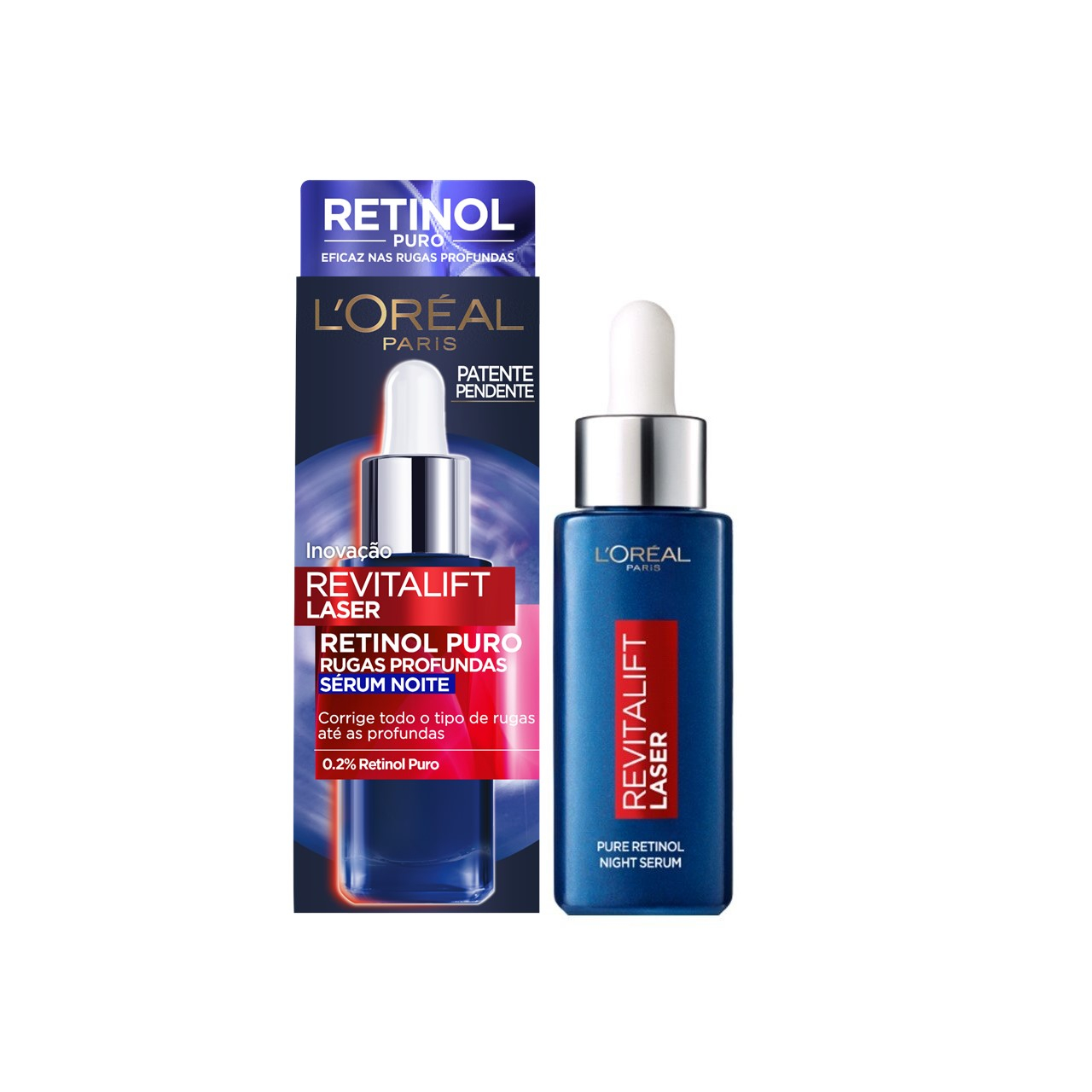 L’Oréal Paris Revitalift Laser Pure Retinol Night Serum
The Revitalift range is already a staple when it comes to affordable anti-aging routines, and the L’Oréal Paris Revitalift Laser Pure Retinol Night Serum doesn’t disappoint.
The formula combines hydrating ingredients with retinol in order to make a very usable and affordable serum perfect for retinol beginners.
Endocare Renewal Comfort Cream
The most hydrating & soothing retinol
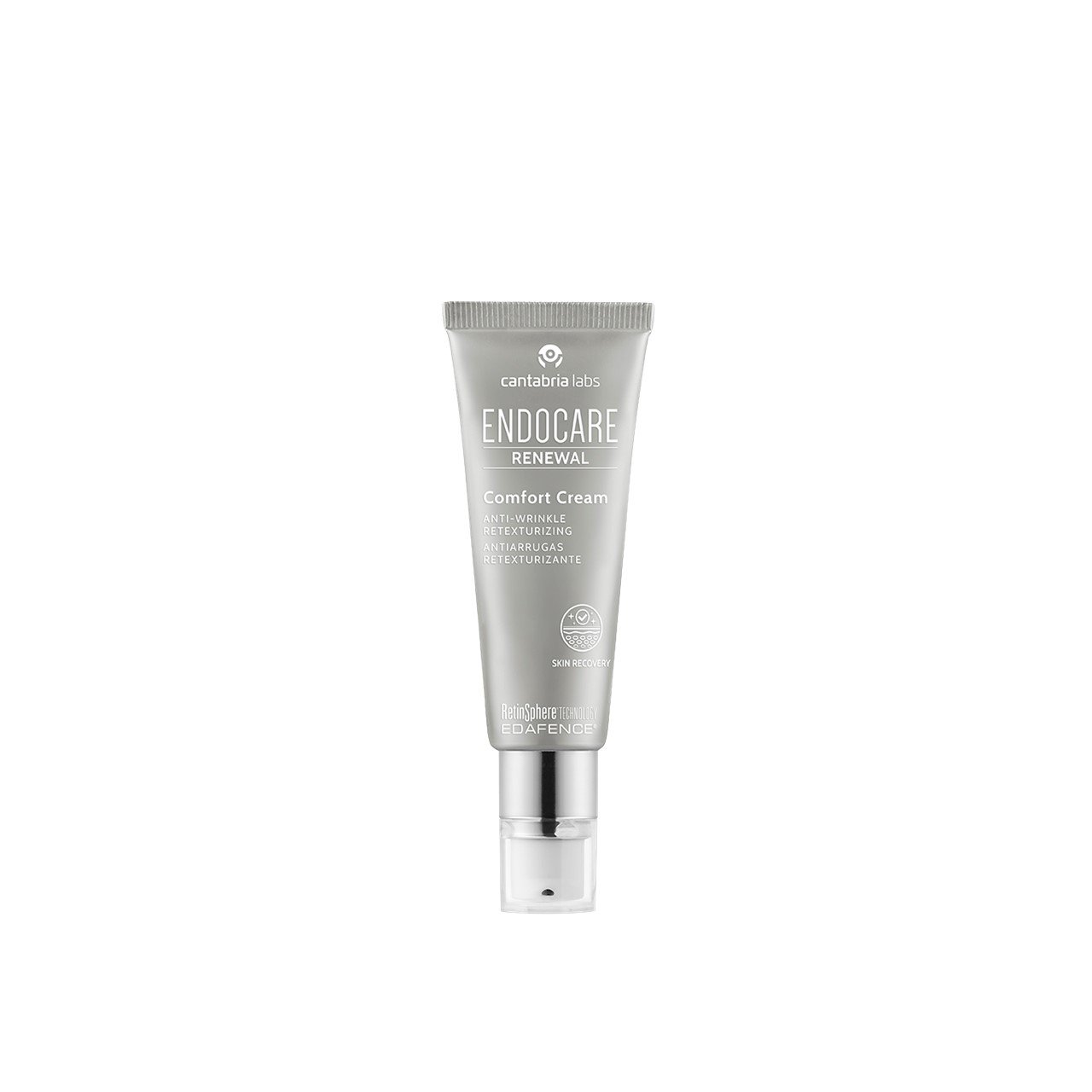 Endocare Renewal Comfort Cream
Retinol is great for wrinkles, but it may not agree with all skins. Combining retinol with comforting and soothing ingredients may be the best way to make sure that you’re actually doing a good thing for your skin.
Try the Endocare Renewal Comfort Cream, a solution from Endocare that was specifically designed to improve the appearance of the skin while soothing and strengthening the skin barrier.
Esthederm Intensive Retinol Oil Serum
The luxury retinol
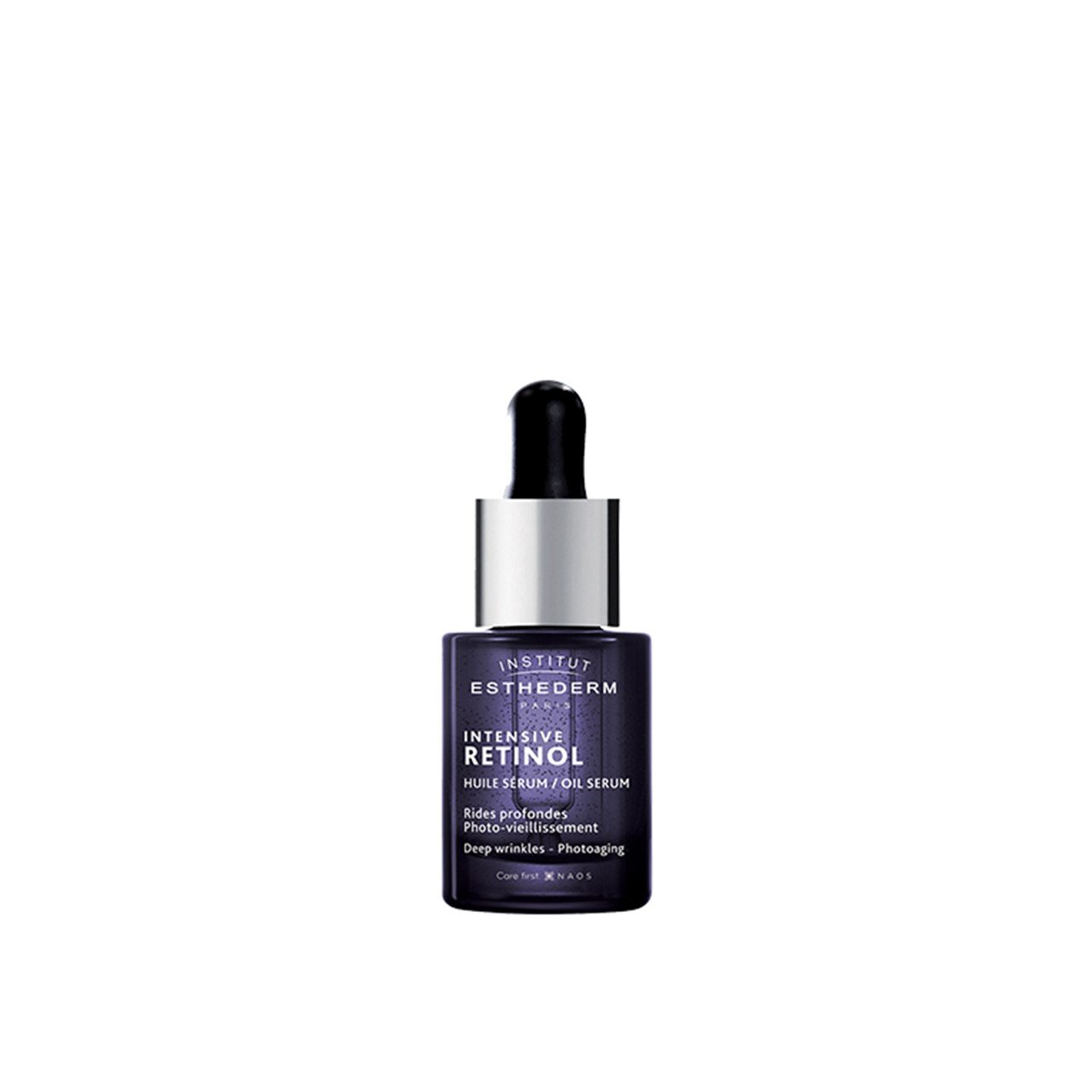 Esthederm Intensive Retinol Oil Serum
Sometimes, a luxurious retinol oil that improves your skin is just what you need, and this Esthederm Intensive Retinol Oil Serum delivers great results in a gentle and pleasing way.
Use it if you tend to have dry skin, especially if you’re experiencing post-menopause skin dryness.
If you’ve already chosen your starter retinol, keep in mind that you should always use a great sunscreen to ensure the sun won’t undo your progress. Truly, retinol and sunscreen are a match made in skincare heaven!